Search Results
219 results for “arowana”

Common Causes of Arowana Fright
Despite their fierce appearance, arowanas are easily startled, and when scared they may jump out of the tank, refuse food, or slam into the glass. Fright comes from external changes (noise, light, tank rearrangements) or internal issues (parasites); calm the fish with fasting, a covered tank, and gradual taming.

What Causes an Arowana to Become Startled?
Arowanas look fierce but are timid and startle easily—mild cases refuse food or jump, severe cases crash into the glass and risk death. Common triggers include poor tank placement, new environments, bullying tankmates, water changes, and pets or children. Identify the cause quickly and address it.

How to Prevent Arowana Fright
Arowana fright is common and hard to eliminate entirely, so owners should both prevent it and know how to respond. Give new fish quiet time to adapt, keep tankmate sizes matched, maintain stable warm water, and limit pets/children near the tank; for an already-startled fish, the 'old three' (heat, salt, water change) usually helps.

How to Feed Farmed Arowanas
Proper feeding keeps arowanas healthy, but beginners often get it wrong. Use hand- or machine-feeding suited to your setup, feed by life stage (6–8 times as fry, 2–5 as juvenile, 1–2 as adult), feed on a schedule tied to appetite, and follow the 'four checks, five fixed' principles.
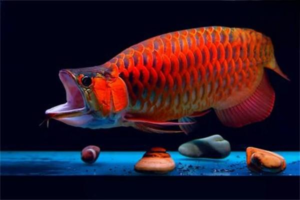
Preventing Arowana Fright: A Beginner’s Guide
Although arowanas are large ornamental fish, they are very timid and startle easily, leading to repeated jumping, glass-slamming, scale loss, and refusing food. Prevent it by placing the tank away from doors, avoiding sudden noise and light changes, and limiting activity near the tank—while taming the fish through gentle, regular interaction.

What to Do When Your Arowana Is Startled
Arowanas are large but very timid and startle easily; severe cases jump or crash into the glass and can die. Learn the common triggers (placement, noise, sudden movement, pets), help them adapt, keep tankmate sizes matched, and tame shy fish with gentle, regular interaction.
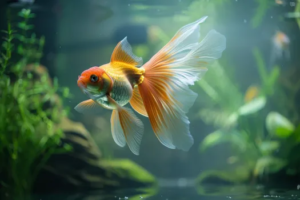
Is It Normal for an Arowana to Lose Scales?
Some scale loss is normal as arowanas grow, but abnormal, frequent loss signals a problem—injury from handling, crashing into the glass (from overfeeding, fright, or fights), disease (fungal or parasite infection), or poor water. Prevent it with careful handling, a stable environment, separating fighters, and proper water changes.

Why Are My Golden Arowana’s Gills Red?
Red gills in a golden arowana often mean red-spot disease or gill rot, both from poor-water bacterial or parasite infection. Mild red-spot disease improves with water changes and warmer temperature; severe cases need chlorine-dioxide baths. Gill rot is contagious—isolate and treat with salt, copper sulfate, or trichlorfon by stage.
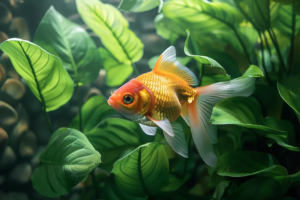
Why Does an Arowana’s Gill Flip Out?
Arowana gill eversion (flip-gill) is caused by poor feeding/husbandry, cramped space, temperature swings, or a wrongly placed water pump—all lowering oxygen or irritating the gills. Treat early with gradual water improvement and aeration; mid-stage add current therapy; once the soft tissue hardens, only surgery fixes it.

Symptoms and Causes of Arowana Gill Eversion
Arowana gill eversion (flip-gill) starts with abnormal gill movement and breathing, then rapid breathing, surfacing, and starvation, and finally fully everted gills that suffocate the fish. Causes: foul water (low oxygen), temperature swings, cramped space, a misplaced wave pump, or bacterial/parasite infection. Treat early with better water and oxygen; hardened tissue needs surgery.