Search Results
391 results for “amoxicillin”
What medicine should I give a cat with yellow nasal discharge?
Yellow discharge means a serious upper respiratory infection — from a cold, nasal infection or cat flu. If it's from a cold, oral meds with amoxicillin-clavulanate or Maxingshigan powder twice daily can help; if it doesn't improve, a secondary mycoplasma infection is likely, so see a vet for further tests.
What should I do and what medicine helps a cat with diarrhea?
Cat diarrhea usually comes from digestive upset; first try a little pet probiotic to rebalance the gut and watch. If it doesn't improve, give a vet-grade amoxicillin-clavulanate powder and bismuth subcarbonate tablets to reduce inflammation and stop diarrhea. Feed softened kibble in warm water, avoid rich or hard food, and if it hasn't improved in 2-3 days, see a vet to rule out parasites or cat distemper.
What medicine helps a dog’s diarrhea get better fast?
Dog diarrhea is usually gastroenteritis; you can give a pet anti-inflammatory containing amoxicillin or metronidazole, plus an anti-diarrheal with bismuth subcarbonate and probiotics to settle the gut. Keep the diet light to avoid irritation; symptoms usually ease in 1-2 days. If diarrhea doesn't improve after medication, it may be parasites or a virus — take the dog to a vet to find the cause and adjust treatment.
What should I do if my dog has a fever?
Once fever is confirmed, give dog-safe fever reducers or anti-inflammatories like amoxicillin, and cool it with alcohol wipes or cold compresses on paws, armpits and groin. If no improvement, go to the vet immediately — high fever can be fatal.
What medicine works best for a cat with yellow nasal discharge?
Yellow discharge means a serious upper respiratory infection. If eating, give pet antibiotics like doxycycline or amoxicillin-based anti-inflammatories; add cough/cold herbs if coughing. For viral causes, also give antivirals.
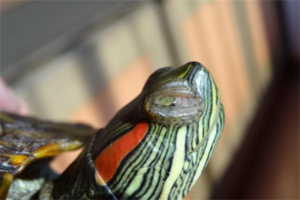
What Are the Symptoms of Turtle White-Eye Disease?
Turtle white-eye disease is a bacterial infection: early signs are a red, whitening nictitating membrane with discharge, worsening to swollen, stuck-shut eyelids and a cloudy cornea, often with lost appetite. Treat with gentle cleaning plus antibiotic eye drops and ointment (and oral antibiotics for severe cases), warm the habitat, and keep water clean to prevent it.

Is It Harmful for a Dog to Keep Licking Its Wound?
A dog licking a wound is instinctive and mildly antibacterial, but constant licking keeps the area too moist, slows healing, can trigger a local reaction, and may cause a lick granuloma — so use an Elizabethan collar. Clean minor wounds with saline and pet antiseptic; see a vet for deep, large, or infected wounds, which can turn into sepsis.
Why does my cat have discharge from one eye?
Increased eye discharge and trouble opening the eye may be from a foreign body (hair, insects, pollen, dust) irritating the conjunctiva, causing tearing; rinse with saline and use neomycin sulfate drops. Infection can cause conjunctivitis or keratitis; clean daily and see a vet for blocked tear ducts or entropion.

How to Tell If a Dog Has Parvo
Parvo (CPV) causes vomiting, diarrhea (often bloody), appetite loss, fever, and dehydration, especially in unvaccinated puppies. Suspect it with those signs, check for contact with sick dogs, and confirm with a fecal or blood antigen test. Treatment is isolation, symptom control, fluids, and antibiotics to prevent secondary infection.
What medicine should you give a dog with acute gastroenteritis?
Use anti-inflammatory drugs with amoxicillin-clavulanate, cephalosporin or metronidazole, plus anti-diarrhea and anti-vomiting meds. For frequent vomiting and diarrhea, get IV fluids at a clinic to prevent dehydration, then feed plain food and probiotics.