Search Results
391 results for “amoxicillin”

Cat Perianal Fistula: Symptoms and Treatment
Signs of a perianal fistula include swelling around the anus, frequent licking, bloody or pus-like discharge, straining to defecate, and a foul odor. Mild cases may respond to medication; severe or stubborn ones need surgery, followed by vet-guided wound care and a fiber-adjusted diet.
What medicine can I give a cat with a runny nose and sneezing?
A cat's runny nose and sneezing from a cold may respond to amoxicillin-clavulanate and warmth. Persistent symptoms suggest a viral infection requiring veterinary diagnosis and treatment.

Cat Eye Swelling and Tearing: A Recovery Case
A cat with one swollen, tearing, discharging eye—but no sneezing or runny nose—most likely has a bacterial conjunctivitis rather than a viral one. Ingrown eyelashes or a foreign body can be the trigger. Oral amoxicillin plus antibiotic eye drops, an E-collar, and a dim, clean environment brought clear improvement in a few days. An ingrown lash, though, needs a vet to remove.

What Is Canine Salmonellosis
Canine salmonellosis is a group of infections caused by bacteria of the Salmonella genus, which can affect both dogs and people. Dogs pick it up from sick animals, contaminated food and water, or even healthy-looking carrier dogs, and the illness ranges from silent carriage to severe, life-threatening septicemia in young puppies. Signs include fever, vomiting, watery or bloody diarrhea, and rapid dehydration. Diagnosis relies on culture and identification of the bacteria from stool or organs, and treatment pairs antibacterial drugs with fluid and symptom support. Careful food handling and a clean environment are the cornerstones of prevention.

Cat Upper Respiratory Infection: Symptoms and Treatment
A cat upper respiratory infection is inflammation of the mucous membranes of the upper airways. Affected cats typically cough, sneeze, and have a runny nose, sometimes with yellow nasal discharge, and a sudden drop in temperature, poor nutrition, or stress can trigger an outbreak. The usual culprits are viruses such as herpesvirus and calicivirus, bacteria such as Chlamydia, and fungi such as Cryptococcus. This article covers the common pathogens, how viral, bacterial, and fungal infections differ in their signs, what else can mimic these symptoms, and the supportive care and medications veterinarians rely on to treat them, from keeping the eyes and nose clear to antiviral, antibiotic, and antifungal therapy.

How to Treat Cat Sinusitis
Cat sinusitis is a common respiratory disease that can cause difficult breathing, coughing, head discomfort, and discharge. Treatment centers on controlling the infection—antibiotics such as amoxicillin-clavulanate for bacterial cases, or antiviral drugs like interferon when a virus is involved—plus isolation to protect other cats. Severe cases may need nasal flushing, and surgery if pus builds up and blocks breathing. This article outlines the symptoms, treatments, and home care you should know.

Internal Parasites in Turtles: Tapeworms and Roundworms
Tapeworms and roundworms are two of the most common internal parasites in turtles, and telling them apart matters because the treatment differs. Tapeworms steal nutrients in the gut and shed visible segments in the stool; roundworms come in many forms and can block the intestine when severe. Both are diagnosed through fecal exams and treated with specific dewormers plus gut support. This guide outlines the symptoms of each and the practical medication and aftercare steps to clear them.
Internal Parasites in Turtles: Flukes and Protozoa
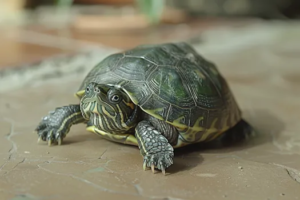
Flukes and protozoa are among the more common internal parasites in pet turtles, and knowing their signs helps you act before they drain your turtle's health. Flukes lodge in the liver, pancreas, and gut, causing appetite loss and bloody stool, while protozoa such as amoebas inflame the intestine and often trigger bacterial enteritis at the same time. Both are diagnosed through fecal checks and treated with specific dewormers plus gut support. This guide lays out the symptoms and the matching treatment for each parasite.

Why Pets Drool: Stomatitis and Periodontal Disease
Persistent drooling often points to mouth inflammation. Stomatitis can be contagious (virus-linked) and, in cats, often lifelong — a red line forms where gum meets tooth, with constant drooling. As it worsens, ulcers grow, the cat may stop eating and lose weight. Periodontitis, driven by bacteria and tartar, also causes drooling, bad breath, and tooth loss. Diagnosis needs an oral exam (often under anesthesia) and dental X-rays; treatment ranges from antibacterial rinses to antibiotics and, in severe tartar cases, extraction.
My cat has pink, blood-tinged urine
Blood in cat urine can signal a urinary tract infection, stones, or cystitis. See a vet for urinalysis and diagnosis. If a vet visit isn't immediate, you may give an amoxicillin-clavulanate anti-inflammatory, but distinguish it from normal estrus bleeding.