Search Results
391 results for “amoxicillin”

What Is Feline Haemobartonellosis?
Feline haemobartonellosis, also called infectious anemia, is a rare but serious disease caused by a blood parasite that attacks red cells and triggers their destruction. It spreads through bites, scratches, fleas and ticks, and from mother to kitten, with outdoor and unneutered males at higher risk. Signs range from fever and lethargy to pale, yellow-tinged gums; diagnosis is by blood smear or PCR. Treatment uses antibiotics such as doxycycline or enrofloxacin plus supportive care, though the cat stays a lifelong carrier.
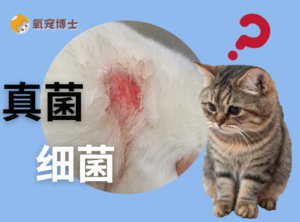
Cat Skin Redness and Hair Loss: Fungal or Bacterial?
A cat's skin normally carries small amounts of bacteria and fungi that only cause trouble when the skin barrier breaks. Fungal infection, usually Microsporum canis, shows as ring-shaped hair loss with a red raised edge and dry scales, and spreads slowly. Bacterial infection is usually secondary—after a scratch, bite, mite, or allergy—and appears as pustules and fast-growing ulcers. Telling them apart guides the right treatment.

Is Yellow Dog Urine Always a Sign of Internal Heat?
Yellow urine in dogs is not always from internal heat; it can also mean low water intake, liver trouble, or urinary tract issues, so judge by the actual cause. If it is simple internal heat, lighter meals and more water clear it up fast. Persisting yellow urine, especially with blood or painful urination, warrants a vet visit to check the liver or urinary system. Infections are usually bacterial and need veterinary antibiotics plus a urinary prescription diet and good hygiene.

Radiated Tortoise
One of the most beautiful star-patterned tortoises - a Madagascan CITES I species that is common in captivity yet wild-endangered. 'The rich man's sulcata'; hardy if set up right.

Actinomycosis in Dogs and Cats: Symptoms, Treatment, and Prevention
Actinomycosis is a chronic suppurative granulomatous disease caused by Actinomyces. Lesions favor the face, neck, chest, and abdomen, spreading to surrounding tissue to form fistulas that drain pus containing sulfur granules. High-dose, long-course penicillin works for most cases; surgery to drain abscesses and remove fistulas is also needed. It is not contagious.

Staphylococcal Infection (Staph) in Dogs and Cats: Symptoms, Treatment, and Prevention
Staphylococcal disease is a group of acute or chronic infections caused mainly by Staphylococcus aureus and related species, presenting in many forms such as arthritis, tendosynovitis, pododermatitis, omphalitis, and staphylococcal septicemia. Staphylococcus intermedius is a key cause of canine pyoderma.

Salmonellosis in Dogs and Cats (Paratyphoid): Symptoms, Treatment, and Prevention
Salmonellosis (paratyphoid) is an acute septicemic disease caused by Salmonella. Early signs are gastroenteritis (diarrhea, vomiting) that can progress to nosebleeds and bloody stools. It is zoonotic and can cause abortion in pregnant dogs and cats.

Streptococcal Infection in Dogs: Symptoms, Treatment, and Prevention
Canine streptococcal disease is a zoonotic illness caused by a group of pathogenic pyogenic cocci. Puppies often develop an acute septicemic course through umbilical infection. Bacteremia brings fever, catarrhal to hemorrhagic enteritis, infected inflamed umbilical sites, and joint metastasis causing arthritis, ending in septicemic death.

Lyme Disease (Borreliosis) in Dogs and Cats: Symptoms, Treatment, and Prevention
Lyme disease is a tick-borne spirochetal infection caused by Borrelia burgdorferi. It is a natural-focal zoonotic disease that in dogs most often produces intermittent, non-erosive arthritis with lameness that shifts from leg to leg.

Leptospirosis in Dogs and Cats: Symptoms, Treatment, and Prevention
Leptospirosis is an acute, systemic bacterial infection caused by pathogenic Leptospira. It is a zoonotic disease (transmissible to people) with rats and pigs as major reservoirs. It is characterized by short-term fever, jaundice, hemoglobinuria, abortion in breeding females, and a bleeding tendency.