Search Results
2439 results for “Vitamin B”
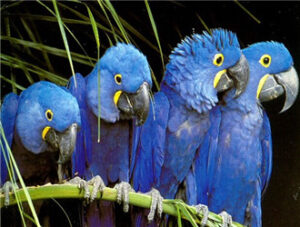
Hyacinth Macaw
The Hyacinth Macaw (Anodorhynchus hyacinthinus) is the largest parrot in the world and one of the rarest creatures on Earth. Because of its high value it has long been a target for hunters, and this has pushed the species toward a survival crisis.

Can Hamsters Get Diabetes Too
Yes — hamsters can develop diabetes, most often dwarf breeds, due to genetics and obesity from insufficient insulin. Signs include overeating, excessive drinking, frequent strong-smelling urine, and weight swings. Care centers on a high-protein, high-fiber, low-fat diet that avoids all sugary foods, plus natural blood-sugar-lowering supplements like fenugreek.

Why a Rabbit’s Eyes Get Inflamed and Pus-Filled, and How to Treat
Inflamed, pus-filled rabbit eyes usually come from a poor diet (too salty or dry 'heating' feed), eye irritants like dust or stray fur, or uncleared daily discharge that breeds bacteria. Treat by switching to carrots, apples, and greens, removing any foreign object and trimming surrounding fur, and wiping the eyes daily; see a vet if pus is severe.
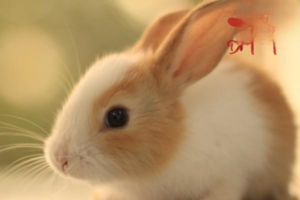
What to Do When a Rabbit Sheds Excessively
Heavy shedding has several causes. Seasonal molts (March–April, September–October) are normal — just groom daily. Diet lacking fiber or vitamins A/B causes shedding and fur-eating, fixed by balancing the feed. Fungal or parasitic infection brings dandruff and ring bald spots and needs a vet; bacterial dermatitis (Necrobacillus, Staphylococcus, Pseudomonas) needs the right antibiotic. Identify the cause before medicating.
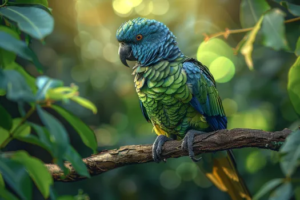
When Do Budgerigars Molt, and What Are the Signs
Budgerigars typically molt in June–August for 2–3 months and again about four months later to grow winter down. Signs include frequent feather loss, poorer appetite with some weight loss, and moody, sensitive behavior. Because molting birds are fragile and parasite-prone, feed a varied balanced diet and deworm if you see red, scabby skin or feather-pecking.

What Season Is Best for Breeding Rabbits
Spring and autumn are the best breeding seasons — warm, dry, and bright, with high conception and kit-survival rates. Avoid breeding above 30°C in summer or without heating in winter. Choose quality stock, feed a balanced diet with carrots pre-breeding, give exercise and light, and time mating to bright-red vulva estrus using repeat mating.

How Environmental Factors Affect Meat Rabbit Fattening
A dim, quiet environment helps fatten meat rabbits: it suppresses sexual development, raises feed efficiency, calms the animals, and speeds weight gain — trials show rabbits in darker cages weigh 250–350 g more after six months. Because they get little sunlight, keep cages clean, disinfect often, and feed a complete diet rich in vitamins and minerals.
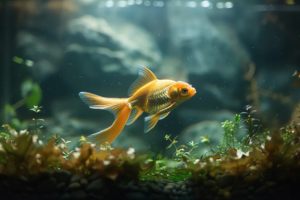
Goldfish Feeding Habits Across Life Stages
Goldfish feeding changes through three stages—larva, juvenile and adult. Matching diet to each stage's needs, keeping protein adequate and water warm (20–28°C) keeps fish healthy and colorful.

What to Watch When Making Homemade Cat Food
Homemade cat food can work, but balance is hard and cost/time are high. This guide weighs pros and cons, lists key rules (cook plainly, no seasoning, safe ingredients) and gives two sample recipes.

What to Feed a Constipated Cat for Fast Relief
Mild cat constipation can often be eased at home with dietary fiber and gentle laxatives, but a cat that hasn't defecated for more than three days needs veterinary attention. This guide covers safe home remedies for mild cases and the medications to use when constipation becomes severe.