Search Results
2439 results for “Vitamin B”

How to Store Cat Food Properly
Proper storage protects cat food's nutrients and your cat's health: keep it cool and dry, refrigerate opened cans and use within 2 to 3 days, discard anything past its date, and don't leave food in the bowl beyond a couple of hours.

Benefits and Precautions of Fish Oil for Cats
Fish oil rich in omega-3 supports a cat's skin, coat, immune system, and heart, but it must be dosed carefully and chosen well. This guide covers the benefits of supplementing fish oil and how to feed it safely without causing harm.

Benefits of Egg Yolk for Dogs
In moderation, egg yolk gives dogs a shinier coat, extra nutrition, brain support, and eye protection — but never raw, and never too much, or it can cause pancreatitis and obesity. Learn the benefits and the safe amounts.

How to Care for Different Types of Huskies
Huskies need different care at each life stage — breeding males, nursing mothers, unweaned and weaned puppies, and seniors all have their own needs. Here is how to handle each.
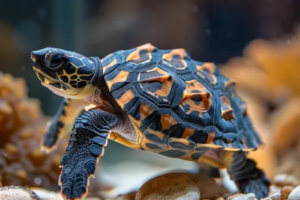
How to Raise Juvenile Turtles: Diet and Daily Care Tips
After their first winter, turtles enter the juvenile stage. At 1–2 years old they are small and fragile, so they need careful feeding and husbandry. Here are density, diet, temperature, and water tips.

Rabbit Eyes Bulging and Watering — Is It Conjunctivitis?
Bulging, red, watering rabbit eyes usually point to conjunctivitis, which can progress to pus, ulcers, and blindness if untreated. Causes include irritants, allergies, trapped debris, or infection; treatment is cleaning, antibiotic drops, and removing the trigger, with a clean, dry, well-ventilated hutch for prevention.

Do Turtles Shed Their Shell? Why Do They Molt?
Turtles shed their scutes as they grow — a normal process beginners often confuse with shell rot. Here is why it happens, how to tell it apart from rot, and how to care for a molting turtle.
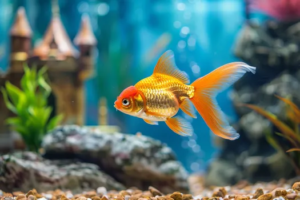
What Feed Should You Give Your Fish? Pros and Cons of Different Fish Foods
Fish foods come in many forms — live animal feeds, frozen feeds, and artificial diets. Here is how they compare, plus the common options in each group, so you can keep your fish healthy and colorful.

Why Are a Chinchilla’s Teeth Turning White, and What to Do
Normal chinchilla teeth are yellow to orange; white teeth usually mean calcium lack (low calcium, phosphorus, vitamins A/D), which also weakens bones and risks fractures. Fix with calcium syrup or child calcium tablets plus alfalfa and sun; prevent with quality pellets, extra calcium for pregnant and lactating females, and no over-supplementing.

Why Is My Dog’s Coat Coarse and Dull, and How to Fix It
Coarse dull coats come from poor diet, harsh human shampoos, old age, or skin disease and parasites. Fix with balanced food, coat-boosting foods (salmon, egg yolk, seaweed), pet shampoo on a proper schedule, sun, and regular deworming.