Search Results
736 results for “Trust”

A Shy, People-Scared Cat in Its New Home
Before the kitten arrives, ready the litter, bed, bowls, food, scratcher, and a carrier; add cleaning tools and toys later. Give it a safe space out of direct sun, and use a crate if the home is not yet cat-proofed. Keep noise and interference low—a new cat is wary and loud sounds spike stress. Let it approach you; when it does, pick it up gently and release the moment it tires. Use a soft voice and learn where it likes to be petted to build trust—and on return from a short absence, reassure it calmly, since stress can cause diarrhea.

Who Is Most Likely to Get Scratched by a Cat
Scratches are rarely random. New owners and timid people read as weak targets, so move slowly and let the cat release your hand instead of yanking it away. Children get bitten because cats test rank and because kids lack cat-handling sense—keep them apart for the first week. Ironically, people who handle many different cats daily are scratched most often. The fix is simple: slow your movements, stay calm, and mostly interact only with cats you know.

Why Dogs Get Puffed-Up Fur (Raised Hackles)
When a dog is angry, scared, or thrilled, the fur along its back may stand up—a reaction called piloerection, or 'raised hackles.' The fur around the neck is special: it has a strong self-restoring ability, so even after a long episode, it returns to normal once the dog calms; other body areas lack this. Some breeds show it more, some less, and the extent varies—neck only, neck-to-rump, or tail. A special muscle attached to the follicles pumps air between hairs to create the effect, and it is involuntary, part of instinct. The purpose is to look bigger, like cats, porcupines, and pufferfish. You can even read a dog's mindset from the pattern: a narrow band from neck to tail means confidence (and a higher chance of initiating attack); three-quarters of the neck raised means insecurity; neck and tail raised but the middle calm means confusion—the best moment to build trust.

Why Cats Drink From the Foot Basin
It looks odd, but a cat eyeing the foot basin is usually acting on instinct rather than mischief. Two forces drive it: a strong pull toward fresh water, and outside stimulation. Cats trust running, wide-surface water more than a stale bowl, and the warmth and motion of a foot bath read as fresh and interesting. The steam and a moving foot also stir their curiosity and nose. The takeaway is that strange drinking habits signal an unmet need — cats are only partly domesticated, so the better fix is to meet the need than to fight the habit.

How to Pet Your Cat So It Loves You
No area is off-limits once a cat is well socialized from kittenhood—daily full-body handling builds trust and a love of touch. For an unsocialized cat, go slowly and read willingness: offer a downward palm at the forehead; if it nudges in, begin. Start at the head and neck (small circles, ear rubs), move to cheeks/chin, along the spine (the base-of-tail spot is a favorite), then armpits, paws, belly, and even testes in intact males. Use a gentle 'breeze' touch like a spa, not a firm knead; stop if it objects. A cat-specific scent oil can deepen relaxation.

How to Hold Your Cat Comfortably
New owners' main goal is avoiding scratches and bites—if you're afraid, don't force it. Stay still if bitten or scratched (don't jerk). Pick the right moment: when the cat comes to you or is calm, not mid-play. To lift, either scruff small/tricky cats to free your other hand, or (with a tame cat) scoop under the armpits and immediately support the rear. Carry cradle-style (like a baby), over the shoulder (control the scruff), or with one arm around the chest and the other under the hips. Set it down the moment it fusses.

A Complete Guide to Pet Spay and Neuter Surgery
Spaying or neutering is one of the most responsible decisions a pet owner can make. For dogs and cats, the ideal window is around 6 to 8 months of age, ideally before the first heat cycle, which lowers the risk of reproductive diseases and unwanted behaviors. The procedure should only be performed on a healthy animal that is fully vaccinated, has adequate antibody levels, and is regularly dewormed. Once you choose a trusted veterinary clinic, you can book the surgery and share your pet's age, vaccination, and deworming history. The clinic will explain pre-operative fasting rules. This guide walks you through the timing, preparation, and the step-by-step process on the day of the operation so you know exactly what to expect.

6 Common Cat Diseases and How to Prevent Them
Cats hide pain well and can't tell you what's wrong, so owners need a basic grasp of common feline illnesses. Beyond regular checkups and vaccines, know the warning signs of the six frequent problems: urinary tract disease, respiratory infection, periodontal disease, parasites, ringworm, and ear mites. This guide summarizes each condition's symptoms and the everyday prevention that matters most—more water, less stress, dental care, deworming, and a clean, dry environment.

Training Your Cat to Understand ‘No’
Living with a cat, teaching a stop command matters more than teaching tricks—stopping bad behavior in the moment is the priority. Cats don't understand the English word 'No', but they read tone; through repetition they learn a firm word means 'don't'. The method is immediate interruption (within 2 seconds of the act), then reinforcing the lesson by ending play or withholding a treat, never hitting. This guide covers instant correction, consequence feedback, and what to do when a cat ignores or resists you.
The Curious Sleep Positions of Cats
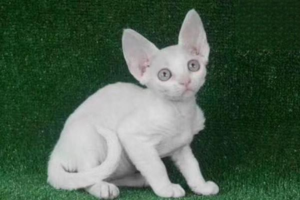
Cats seem to sleep all day, but about three-quarters of their 16–20 hours is light dozing; true deep sleep is only 4–5 hours. Sleep cycles through four stages—onset, light, deep, and dream (REM)—where growth hormone repairs the body. Positions reveal mood: the loaf (alert but resting), the curl (cozy and secure), side-sleeping (deeply relaxed, may dream-kick), and the belly-up surrender (total trust). Reading the pose tells you how safe and calm your cat feels.