Search Results
736 results for “Trust”
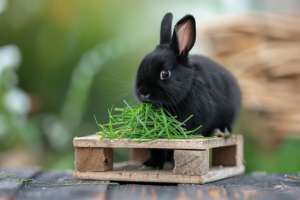
What If a Baby Rabbit Hates Being Held?
A rabbit that dislikes being picked up is acting on instinct: as prey animals they feel unsafe when lifted off the ground. Build trust slowly with sit-beside sessions, food rewards and gentle touches to the head, back and ears, watching for discomfort and stopping if the rabbit tenses. Keep its space quiet and secure, and if it truly refuses, never force it, since fright causes harmful stress.
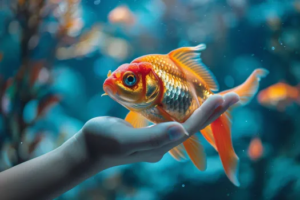
Why Koi Lose Their Color and How to Restore It
Koi sometimes fade after purchase because some sellers feed color-enhancing diets that wash out once the fish eats normal food at home. Color also shifts with water quality, temperature, stress and poor nutrition. Buy from a trusted aquarium shop, feed on a fixed quality, amount, time and place, and keep water clean with low nitrates and stable pH. For red fish aim pH 7.0 to 7.2 with natural carotene foods; for black markings keep pH below 7.2, cooler water and harder, well-lit conditions.

Is the Chinese Rural Dog Easy to Train?
The Chinese rural dog is smart, loyal and brave, so it is generally easy to train and responds willingly to commands. Each dog is an individual, though, so results vary with its learning ability. The best approach is early socialization, positive reinforcement, steady patience, and gradual step-by-step goals. Keeping training varied across environments and treating it as a lifelong routine builds reliable obedience, trust and problem-solving, while harsh punishment only breeds fear and resistance.

What to Do With Your Dog During the Holidays: Three Boarding Options
When you can't take your dog home for the holidays, you have three main options: home-style boarding, in-home feeding visits, or a professional facility. Sensitive or easily stressed dogs usually do best with someone coming to your home, while outgoing dogs may tolerate a kennel. Whatever you choose, your dog's safety and basic needs come first—prefer people you know and inspect any facility in advance.

CoQ10 for Senior Dogs and Cats: Spotting the Signs and Picking a Reliable Supplement
As pets age, their liver makes less CoQ10, and the heart—which has the highest energy demand in the body—feels it first. CoQ10 helps power heart-muscle cells and limit oxidative stress, so a shortfall can show up as tiredness, coughing, or faster breathing. Knowing the warning signs and what a well-built formula contains helps you choose a supplement that actually supports your senior dog or cat.

Cat CoQ10 Buyer’s Guide: Reading Labels and Avoiding the Pitfalls
Roughly 15% of cats develop some form of heart disease, with seniors, flat-faced breeds, Ragdolls, and overweight or inactive cats at higher risk. CoQ10 supports cellular energy in heart muscle, but natural production drops as cats age. When choosing a supplement, the smart move is to read the label and judge the formula—not the marketing. This guide breaks down what to look for and the common traps to avoid.
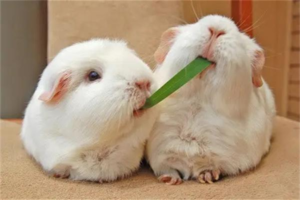
Where Do Guinea Pigs Like to Be Petted?
Guinea pigs enjoy being stroked on the head, under the chin, and behind the ears, with the head between the eyes and crown being the easiest spot to accept. Avoid the back and rear, which are off-limits and may provoke a bite. A newly arrived pig is fearful and should not be handled until it settles; most take 3 to 7 days to adjust, after which gentle head strokes build trust. Once bonded, the pig may run to you, climb into your hand, and become clingy.

CoQ10 Transparency: Why ‘Stated and Tested’ Matters
CoQ10 is one of the fastest-growing pet supplements, yet a large share of what is sold may be placeholder. In some regions CoQ10 is not an approved pet-feed ingredient, so labels cannot state it — and many brands hide behind organ-meat or fish powders while promising 'high content' with no amount shown. Industry data suggests over 60% of products are mislabeled, and a 2025 blogger lab test found two of four best-sellers had no detectable CoQ10 at all. This guide explains why a stated, tested product is the only one worth buying.

Safe Dog CoQ10: What the Research and Labels Tell You
CoQ10 appears in veterinary cardiac plans for mitral valve disease, dilated cardiomyopathy, and senior heart decline, and the research behind it is real — not a fad. A 2021 study found dogs with mitral valve disease in heart failure had significantly less heart-muscle CoQ10 than healthy dogs, and a 2022 randomized trial showed supplementation improved oxidative-stress and contraction markers with no adverse effects. The catch is that the benefit only appears when the product is safe, dog-appropriate, and correctly dosed. This guide explains how to read the label and the form.
Why does my cat always turn its butt toward me?
A cat pointing its rear at you may simply be a habit, or - if you usually pat its bottom - an addicted invite for a 'butt massage'; it can also mean an itchy rear it can't reach and wants you to scratch, or even a sulky turn-away when annoyed. In every case, showing you its back means it trusts you enough not to fear a sneak attack.