Search Results
3206 results for “Temperature”

What Are the Symptoms of Low Blood Sugar (Hypoglycemia) in Cats?
Symptoms of feline hypoglycemia include seizures, weak or limp limbs, lethargy, slowed responses, and pale gums. It is confirmed with a blood chemistry test, and treatment must address the underlying cause. This article details the causes and treatment of low blood sugar in cats.
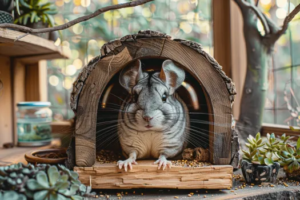
What Is a Chinchilla’s Personality Like? Key Things to Know Before You Get One
Chinchillas—also called velvet rats—have dense, soft fur and a gentle, non-aggressive temperament, which makes them a favorite pet. This article covers their fur, personality, lifespan, and diet so new owners know what to expect.
The Arowana Breeding Process
Arowana breeding requires specific water temperature and quality, and proceeds in three steps: pairing, egg-carrying, and spawning. This article walks through each stage and the care needed during the breeding period.

Why Do Arowanas Sink Head-Down, and How to Prevent It
Arowana 'sinking head' is directly caused by a malfunctioning swim bladder, tipping the head down and tail up. Many factors are behind it, so find the exact cause and treat it. This article analyzes the causes and prevention.

Why Do Hamsters Go Into Pseudo-Hibernation?
Some owners don't know hamsters can pseudo-hibernate. Finding yesterday's lively pet cold, stiff, and seemingly breathless, they may think it's dead and bury it—but it may only be in pseudo-hibernation. This article explains how to tell and how to revive it.

Possible Causes of Sudden Death in Arowana
Arowanas are hardy, adaptable, and long-lived, so a sudden death usually means the owner missed an underlying illness—the fish was sick, not suddenly fatal. This article analyzes the likely causes of abrupt arowana death.

What to Do When an Arowana Is Picky or Won’t Eat
Low appetite in arowana puzzles many owners. It's affected by water quality, environment, and the fish itself. This article shares ways to keep an arowana eating well.
Why Do Arowana Scales Raise (Pinecone Disease), and How to Treat It
Arowana scale-raising has three causes—handling-related, parasitic, and bacterial—each needing different treatment. Find the real cause and treat accordingly. This article covers the common causes and treatments.

What Causes an Arowana to Stop Eating?
Many things cause refusal: bad or old water, indigestion, big environment changes, illness—and some arowana stop seasonally. Find the real cause for your fish. This article lists the common reasons.
Moving an Arowana to a New Tank: Precautions and Tips
Transferring an arowana to another tank is sometimes unavoidable, but done wrong it stresses the fish. Disinfect the new tank, reuse old filter media, fast the fish before netting, and observe it closely after release to help it settle.