Search Results
3206 results for “Temperature”

Why Does a Goldfish’s Tail Rot?
Goldfish tail rot comes from poor water, overcrowding, bacterial infection, or tail rot disease. Fix water promptly, lower density, isolate and bath infected fish with gentamicin, and for the disease use salt (early) or yellow powder/malachite green (severe). Disinfect the original tank to protect healthy fish.
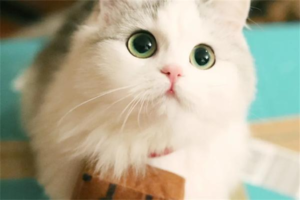
Why Is a Kitten Drooling?
Kitten drooling can be normal (grooming, food stimulus, stress) or a disease sign (oral disease, heatstroke, respiratory infection, poisoning). Keep the environment calm to reduce stress; brush teeth regularly, feed a balanced diet, avoid toxic plants and chemicals, and see a vet if other symptoms appear.
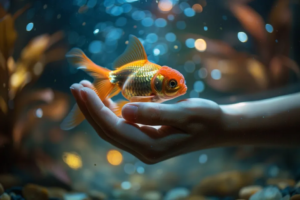
Why Does a Goldfish’s Tail Droop?
A drooping tail comes from poor water, low temperature, natural aging, or swim bladder disease. Fix water (change 1/3, temp swing under 2C), raise temp to 18-25C with a heater, accept aging as normal, or for swim bladder disease raise temp and add coarse salt. Keep water and temperature stable.

Why Does a Goldfish Keep Opening and Closing Its Mouth?
Rapid mouth movement is an early hypoxia sign - oxygenate at once to avoid floating at the surface or death. Causes include poor water, overfeeding, and overcrowding. Prevent with an aerator, regular water changes, suitable density, some aquatic plants, and stable temperature.

Goldfish Care Before and After Spawning
Before spawning, prepare a disinfected separate breeding tank with plants or a spawning mop, and keep a male:female ratio of 2:3 or 2:4. After laying and fertilization, remove the parents and keep water at 15-20C to hatch in 3-7 days. Feed fry yolk 2-3 days after hatching; keep oxygen ample and avoid water changes.
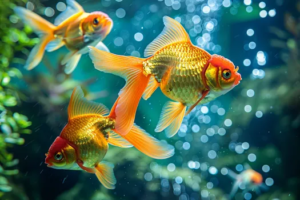
Why Is Your Goldfish Sitting at the Bottom of the Tank?
Goldfish sit at the bottom for many reasons — resting, stress from a new environment, low temperature, sudden water changes, or illness. If the fish perks up when the light brightens, it is just resting and needs no action. If poor water quality is the cause, change the water promptly; if it is sickness, treat the specific disease. Regular water care and stable temperatures prevent most cases.

Goldfish Stress: Symptoms and What to Do
Stressed goldfish lie on the bottom, look unwell, eat and move less, and make more slime; severe cases show body congestion. Respond by fixing water (change, add microbial agent), oxygenating 24h, fasting, and keeping the environment quiet. Prevent with good, stable water, controlled temperature, and safe food.

How Often Should You Change Goldfish Water?
Change goldfish tank water every 3-7 days, adjusting for season, temperature, stocking density, and water quality. In summer without filtration, change about a third of the water every 3 days; in winter you can stretch to 10-15 days. Keep the new-water temperature within 2°C of the old, add it slowly along the glass, and replace only 1/4-1/3 of the volume each time.

Cat Heatstroke: Symptoms, First Aid, and Prevention
Feline heatstroke is essentially what we call overheating — it occurs when a cat stays in a hot, humid place and cannot shed excess body heat. Signs mirror human heatstroke: rising temperature, mouth breathing, fast heart rate, restlessness, and panting, progressing to neurological signs and death. Cats cannot cool themselves, so on hot days keep them indoors with good ventilation and avoid outdoor sun exposure.

Why Is Your Goldfish Not Eating?
Many things stop a goldfish eating — indigestion, sudden or polluted water, a food change, a changed environment, breeding condition, or big temperature swings. Treat the cause: for indigestion, stop feeding and raise temperature with a water change to speed digestion. Always feed by schedule and amount to avoid overfeeding.