Search Results
3206 results for “Temperature”

Feline Sunstroke: Causes and Treatment
Feline sunstroke is a form of heatstroke caused by prolonged, intense sun exposure that overwhelms the body's ability to shed heat. Signs include high temperature, rapid breathing, lethargy, unsteady stance, and in severe cases agitation and neurological signs that can end in death. At the first sign, move the cat out of the heat and cool it down; for serious cases, seek veterinary care because complications can cause permanent harm.

How Long Do Goldfish Live?
Goldfish typically live 6-7 years, but home-kept fish often reach only 3-4. Lifespan depends on environment and feeding; well cared for, a goldfish can live over 10 years. To extend life, choose a healthy fish, provide good water quality and stable temperature, feed a balanced diet, and watch for illness daily.
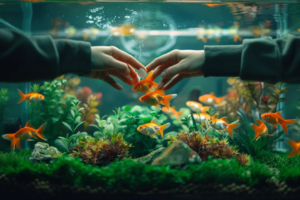
Why Won’t Your Goldfish Breed?
Goldfish breed only when conditions are met — sexual maturity, both sexes present, and suitable water temperature. They usually mature around age one. Without maturity, or with only one sex in the tank, or with poor temperature/water, they will not spawn.
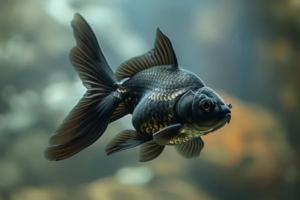
Signs Your Goldfish Is Ready to Breed
Breeding signs are clear: the female's abdomen swells with eggs, appetite drops, and she grows sluggish; the male becomes lively and chases her, sometimes nipping. A male in breeding condition also develops small white spots (nuptial tubercles) on the leading rays of his pectoral fins, which vanish after the season. Plan ahead with a rearing pond, extra nutrition, and stable water.

How to Tell Male and Female Goldfish Apart
Mature goldfish differ by body shape, color, tail, vent, and temperament: males are slender and vivid, females stocky and duller; the male vent is long and thin, the female's round and larger. Males are bold and active, females calm. During breeding, the female's swollen belly and the male's chasing make it obvious.

The Goldfish Breeding Process
Goldfish breeding has three steps: pairing, fertilization, and hatching. Mature fish pair on their own in season; in southern China the peak is March-April, with water best kept at 18-25°C. They fertilize externally — the female releases eggs, the male adds sperm, and fertilized eggs hatch in about 5-7 days at ~18°C with good oxygen.

Goldfish Habits and Breeding Behavior
Goldfish are social and do best in groups of two or more, but watch stocking density. They tolerate 0-39°C yet cannot stand sudden temperature swings, which can be fatal — keep temperature stable, ideally 20-28°C. They are omnivores eating animal, plant, and prepared foods; balance the diet for nutrition.
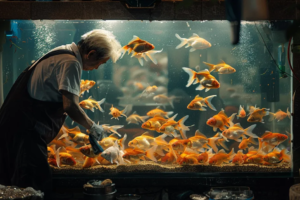
How Should You Feed Goldfish?
Goldfish are omnivores eating animal, plant, and prepared foods. Young fish need frequent small meals (2-3 times daily, what they finish in 5 minutes) rich in animal protein; adults do well on prepared pellets as a staple for balanced nutrition and less water fouling.
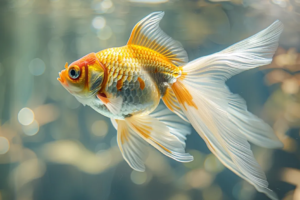
Signs Your Goldfish Is Overfed
Overfed goldfish may rub on the glass, swim tilted, sit on the bottom, or float belly-up, sometimes with white or yellow stool. Ease it with water changes, warmth, current, and oxygen to aid digestion. Overfeeding badly strains the gut and can cause inflammation, so feed small, frequent meals and control portions — usually 1-2 feeds daily, more in hot weather.

What Are the Signs of Goldfish Indigestion?
Indigestion shows as reduced appetite, less waste, sluggishness, and stringy feces; severe cases add slow movement and poor defecation. Early on, fasting and warmer water usually fix it fast. For worse cases, add medication (digestive tablets, probiotics) alongside fasting, oxygen, water change, and warmth. Feed on a schedule to prevent it.