Search Results
3206 results for “Temperature”

Key Points for Raising and Caring for Puppies
Newborn puppies are blind and deaf for their first two weeks, living on mother's milk and needing a warm environment plus help with elimination. This guide covers early puppy care, weaning onto puppy food, and feeding tips for healthy growth.
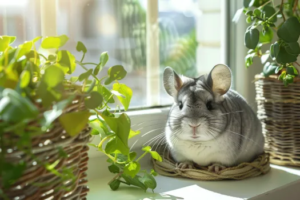
Are Chinchillas Easy to Keep? Key Care Tips
Chinchillas are gentle, clean, and low-odor herbivores that are fairly easy to care for, but they need a cool environment (15–23°C), a hay-based diet, and patient handling. This guide covers the essentials for new owners and the foods and habits to avoid.

How to Fatten Up Rabbits (Finishing for Market)
Finishing rabbits for market matters because heavier, stronger rabbits fetch better prices. This guide covers grouping, environment control, straight-line finishing, feed choices, disease prevention, and knowing when to ship.

Are Rabbits Sensitive to Cold or Heat? Their Ideal Environment
Rabbits dislike both cold and heat: warm them in winter and cool them in summer. This guide explains their cold and heat tolerance and the ideal temperature, humidity, ventilation, and light for a healthy home.

When Is a Border Collie’s Shedding Season, and How Long Does It Last?
Border Collies shed twice a year—spring (March–May) and autumn (September–November)—with timing tied to local climate. This guide covers the growth and seasonal sheds and the care points: nutrition, brushing, hygiene, and diet.

Common Accidents in Dogs and How to Handle Them
Active dogs inevitably face accidents—fractures, cuts, burns, bites. Minor ones can be treated at home if you know how. This guide covers first aid for fractures, cuts, burns, bites, choking, and heatstroke.

Caring for Your Dog Through the Four Seasons
A dog's body adapts to each season, so owners should adjust care through the year. This guide covers spring shedding and checkups, summer cooling and parasite control, autumn exercise and coat care, and winter warmth and diet.

How to Treat Heatstroke in Rabbits
Heatstroke is a real risk for rabbits in hot weather because they tolerate cold better than heat and have dense fur. Move the rabbit to a cool, well-ventilated spot, lower its body temperature with cool towels and water, and seek a vet promptly if symptoms do not improve.

Why Does My Cat Always Tuck Its Paws Under Its Body?
Cats often tuck their paws under the body whether resting or sleeping. It can mean the cat feels safe and relaxed, is cold, wants to avoid being disturbed, or is protecting you from its sharp claws.

Tips for Caring for a Parrot in Winter
Winter care centers on keeping a parrot safe through the cold: adjust the diet (seeds and pellets as staples, less fresh produce), insulate against drafts, pause breeding, and keep common medications on hand.