Search Results
3206 results for “Temperature”

Why Do Rabbits Eat Their Own Droppings?
It is normal and harmless for a rabbit to eat its droppings. Rabbits pass hard pellets by day and soft, nutrient-rich cecotropes at night, and eating the soft ones recycles undigested fibre and nutrients, much of it from hay they could not fully break down the first time. The extra fibre also helps prevent diarrhea. Owners need not worry, though sudden diarrhea still calls for better diet, warmth and calm to avoid stress.

How to Bathe a Rabbit Safely
Rabbits are timid and easily stressed, and a bath can lead to chilling and illness, so avoid frequent washing. For light dirt, spot-clean with a warm damp towel or use dry shampoo powder. Bathe only when truly dirty, using rabbit-specific products and drying the coat fully afterward. Never bathe a rabbit under six months or one that is sick or has diarrhea, and keep the ears dry to prevent infection.
What Factors Affect a Rabbit’s Wool Production?
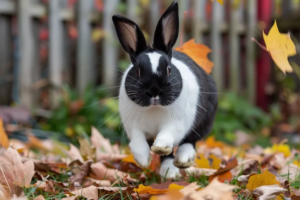
A rabbit's wool output depends on breed, sex, body weight, age, nutrition, and the season and temperature around it. Long-haired German-line rabbits usually produce the most fine wool, while females and neutered males tend to out-yield intact males, and rabbits between one and three years old are at their peak. Steady, balanced feeding with enough protein supports follicle growth, and cooler weather raises output. To boost production, choose strong breeding stock, use crossbred vigour, feed well, manage the environment, and harvest the wool on a sensible schedule.

What to Know When Grooming a Rabbit’s Coat
Rabbits, especially long-haired breeds, need regular coat trimming, particularly in hot weather. Use proper rabbit grooming tools rather than ordinary scissors to avoid cuts, and work in order from the rump, along the back to the neck, then the sides, belly, legs, and last the head and ears. Comb out tangles first, keep the coat not too short, and never cut the whiskers. Avoid trimming in late pregnancy or winter, and calm the rabbit with help to hold it still.

How to Boost a Rabbit’s Appetite in Summer
When a rabbit eats less in summer, keep its bottle full of clean water for hydration, offer fresh hay in small frequent servings to avoid spoilage, and raise the share of water- and fiber-rich fruits and vegetables to tempt eating. Heat makes rabbits sluggish, but daily out-of-cage play supports health and appetite. Also keep the space cool and ventilated, vary the diet, control sugary or starchy food, avoid the hottest sun, and see a vet if poor eating persists.

What to Do When Your Cat’s Voice Is Hoarse
A hoarse cat can result from infection, a cold, laryngitis, or strained vocal cords. Watch for fever, cough, sneezing, or runny nose; if present, a vet-formulated cold and anti-inflammatory remedy may help, and severe cases need a clinic. With no other signs, give plenty of water and soft food to ease throat irritation, keep the cat undisturbed to rest, and away from smoke, chemical odors, and dust that aggravate the throat. Most cases are temporary and improve with rest and humidity.
How to use an aquarium heater correctly
Use a thermostat heater; set temp, fully submerge, mount vertically (large tank) or horizontally (small). Replace yearly.
How long after a cherry shrimp carries eggs until they hatch?
About 15-20 days; warmer water (26C) hatches faster (~13-14 days), cooler (under 20C) takes 20-25 days. Avoid big water changes.

Common Items in a Dog Health Checkup
A routine dog checkup covers coat and skin, weight, temperature, eyes, ears, teeth, feces, X-rays, and blood work. Many diseases show no early signs and become serious or even untreatable by the time they appear, and older dogs face organ decline and age-related illness, so yearly exams are worthwhile. A typical visit measures rectal temperature (normal 38-38.9°C), checks eyes and ears for cleanliness, assesses coat and weight, examines the mouth for gum or tooth disease, and may add fecal, X-ray, or blood tests as needed.

What to Do When Your Guinea Pig Has a Cold
Guinea pig colds usually come from temperature drops or cold exposure, such as big day-night swings, sudden seasonal cooling, or chills after a bath, and weak immunity raises the risk. Signs include sneezing, clear runny nose, cough or wheeze, lethargy with poor appetite, and fever above 40°C. See a vet early for diagnosis and a plan, keep the home quiet, warm, dry, and clean, and skip baths while sick. Offer mild herbal dried grasses like chamomile or mint and a little vitamin C liquid to support immunity, using any medication only per veterinary guidance.