Search Results
3206 results for “Temperature”
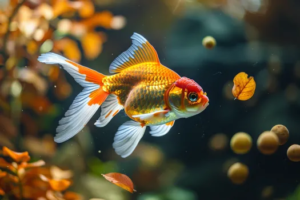
4 Common Goldfish Diseases and How to Treat Them
Goldfish commonly face white spot disease, pinecone (dropsy) disease, print disease, and hemorrhagic disease. Lower the risk with good, stable water quality, steady temperature, and avoiding stress and physical injury. Keep water clean with regular changes and enough oxygen, and adjust temperature with the weather. Healthy water is the foundation of goldfish health.
My turtle just lies there and sleeps all the time – why?
A turtle that stays still and sleeps constantly may be stressed by a new environment, kept in water that's too hot or cold, living in poor water quality, or actually ill. Rule out disease first, then check water temperature - low temperatures trigger hibernation - and in summer change the water often and use a pet-safe disinfectant to prevent bacterial buildup, while feeding high-quality food rich in protein and vitamins.

A Guide to Dog Dewormer Types and Active Ingredients
Spring warms the environment and multiplies parasites, and outdoor dogs are especially exposed to internal and external worms that cause poor nutrition, itchy skin, and organ damage. Deworming also protects people—some parasites spread to humans. With many brands and types, the smart move is to choose on proven ingredients and safety, not fame. This guide walks through the common active-ingredient classes—imidacloprid plus moxidectin, selamectin, fipronil, milbemycin, isoxazolines—and how to pick and dose safely for lasting protection.
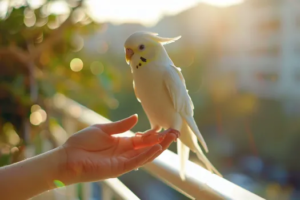
Why Your Budgerigar Has Recurring Diarrhea
Recurring diarrhea in budgerigars comes from poor diet, stress, parasite or bacterial infection, or chills. Long transport, fright, or a sudden move stresses the bird and upsetts its gut, usually easing as it settles; probiotics and calming help. Sudden feed changes, overeating, or spoiled food also trigger loose droppings. Parasites, bacteria, or a cold from low temperatures need a vet. A simple home mix of oxytetracycline powder and probiotics can settle mild cases.

Red-Eared Slider Shedding but Not Eating: What to Do
A red-eared slider that sheds but stops eating may simply be reacting to the molt, or it may signal a problem with temperature, water quality, or health. First check that the habitat is right, then adjust water temperature and change water regularly. Offer varied foods like fish, lean pork, shrimp, and snails to tempt appetite, and use a dangled-food trick if it will not bite. If the fast drags on or other symptoms appear, consult a veterinarian.
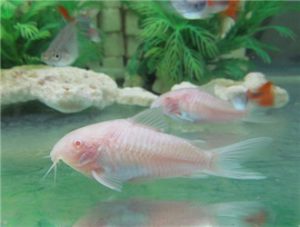
White Corydoras
The White Corydoras is native to South American waters and is now mostly captive-bred. An albino form of the Bronze Cory, it has a milky white body with clear red eyes, is gentle, and is kept in schools. Egg-laying and good with small fish, it suits planted tanks as a bottom fish.
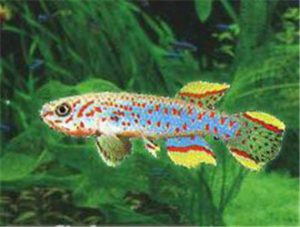
Aegean Killifish
The Aegean Killifish (Aphyosemion celiae) is native to West Africa and shaped like the harp killifish, 6-7 cm long. It likes weakly acidic water and higher temperature (optimal 24-28 C), eats live foods like bloodworms and artemia, and is hardy and easy to keep.
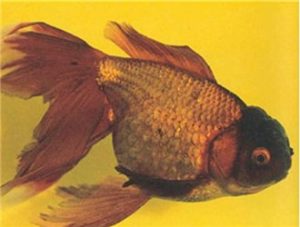
Brown Oranda with Curled Opercula
In goldfish, curled opercula is usually a disease sign, but the Brown Oranda with Curled Opercula has gill covers that grow everted from inside out like a wound - a hereditary variation.
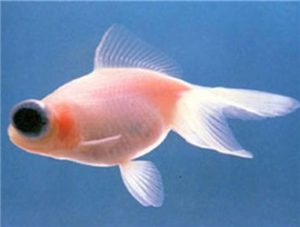
Cinnabar-eye Big Butterfly-tail Goldfish
The Cinnabar-eye Big Butterfly-tail Goldfish is a goldfish variety with a pure white belly and only cinnabar-red eyes, very striking. Gentle, it is beloved by hobbyists.
White-face Butterflyfish
The White-face Butterflyfish (Chaetodon mesoleucos), also called the White-face Butterflyfish, has a white face with complex colors behind it, giving the name 'white-face butterflyfish'. Unfriendly to its own kind, it is not suited to gentle community fish.