Search Results
3206 results for “Temperature”

How to Boost Your Cat’s Immune System
Keeping your cat's immunity strong is essential for a healthy, happy life, letting it better resist disease. Boosting immunity takes a combined approach: feed a scientifically balanced diet, encourage moderate exercise, keep the living environment clean, stay up to date on checkups and vaccinations, maintain daily grooming, and reduce stress by providing a stable, secure home. Together these measures build a robust immune system so your cat stays healthier and enjoys life by your side.
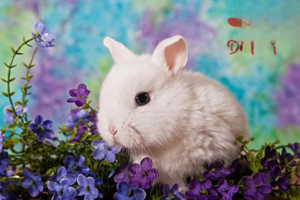
How to Shear an Angora (Long-Haired) Rabbit
Angora rabbits are raised mainly for their wool, and learning to shear them correctly protects both fiber quality and the animal's health. A mature rabbit is typically sheared about four times a year, once per season, with the best grades harvested in March, June, September, and November. Shear close to the skin in a set order, back midline, sides, rump, neck, jowl, belly, legs, never a second pass over the same spot, and time the job for a breezy, clear day with warm bedding afterward.

Treating and Preventing Turtle Water Mold Disease
Poor water quality from leftover food and waste is the root cause of turtle water mold, usually from poor management. Treatment uses antifungal medication—povidone-iodine applied topically, diluted soaks, gentle brushing, or in severe cases miconazole ointment with dry-docking—always keeping the environment at 28–32°C. Prevention means sunlight, prompt cleanup of food waste, regular water changes, and isolating sick turtles. Do not confuse water mold with normal shedding.

How to Treat Water Mold Disease in Turtles
Water mold disease in turtles is best caught early, since most medications only work in the initial stage. The two core approaches are raising the water temperature to 28–30°C, which suppresses the fungus, and dry-docking the turtle so the fungus dies without water. For severe cases, antifungal medications such as povidone-iodine are applied topically. Combined with warmth and dry-docking, these methods give the best recovery, while preventing injury and keeping water warm remain the best long-term defense.

Essential Tips for Raising Healthy Rabbits
Rabbits are sensitive to their environment, and getting temperature, humidity, feed variety, and nighttime feeding right is essential to keeping them healthy. Their thick coat and weak sweat glands make it hard to release heat, so rabbits tolerate cold better than heat; a stuffy, humid hutch quickly leads to illness. Aim for about 20-27C, keep bedding dry, offer a varied diet instead of a single feed, and provide plenty of hay at night when rabbits are most active. These basics help prevent disease and support steady growth.

How to Treat and Prevent Water Mold Disease in Turtles
Water mold disease (saprolegniasis), caused by Saprolegnia and Achlya fungi, is a common illness in aquatic turtles that usually strikes during overwintering and spring. Infected turtles may lose appetite, grow weak, and develop gray-white patches and fuzzy white growths on the skin; severe cases lead to emaciation, swelling, skin ulcers, and even death from exhaustion. Because the fungus is widespread in water and hard to eliminate, prevention focuses on keeping the turtle injury-free, maintaining water temperature around 28–30°C, and providing regular sunlight. If infection occurs, dry-docking the turtle with short daily soaking, applying povidone-iodine for disinfection, and using a pet-safe antibacterial ointment on affected areas can aid recovery.
Why Do Cat Freeze-Dried Food Prices Vary by Up to 10x?
Freeze-dried cat food can range from under 90 yuan per kilogram to more than 800 yuan per kilogram — a tenfold gap that confuses many owners. The difference comes down to raw-material quality, the freeze-drying process, sterilization, logistics, and brand markup. Premium products use high-grade meat and true vacuum freeze-drying at −30 to −40°C, while cheaper ones may add starch, reach only −20°C, or simply bake the meat dry. Because freeze-drying dehydrates but does not sterilize, proper irradiation and sealed individual packaging matter for safety. When choosing, favor genuine freeze-dried food with intact color and shape, sealed single-serving packs, and a price around 90 yuan/kg or above.
What happens if a Golden Retriever isn’t bathed?
Without baths, oil and dust build up on a Golden Retriever's skin and coat, breeding bacteria that cause strong odor, itchy skin, heavy shedding, and even skin disease. Bathe about every 10 days in summer, every 2 weeks to a month in spring/autumn (preferably midday), and every 1–2 months in winter.
What are the signs a dog shows before death?
Before death, a dog typically shows lethargy, slow movement, drowsiness, lowered body temperature, dilated pupils, a weak pulse, incontinence, and loss of appetite or refusal to drink. It withdraws to a quiet corner, and some dogs that sense the end may run away to a hidden, peaceful spot to wait.
Feline Panleukopenia: How Fast Is It Fatal?
Panleukopenia is a deadly, highly contagious viral disease that attacks the gut and bone marrow. Unvaccinated kittens under a year often die within 2–4 days if untreated; unvaccinated adults usually within 5–7 days, some lasting around 10. Vaccinated cats rarely die. Early care lifts kitten survival above 50% and adults above 80%—and surviving one week usually means recovery. Prevention through vaccination beats treatment every time.