Search Results
3206 results for “Temperature”
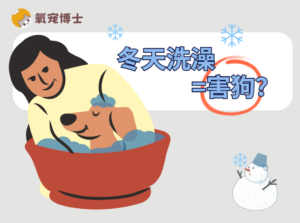
Can You Bathe Your Dog in Winter? Yes—With These 3 Points
Winter bathing isn't forbidden—it's about method. Bathe too often or not at all both cause problems, and human products harm a dog's skin. Choose the warmest midday hour, preheat the room to 25–28°C, keep the whole wash to 10–15 minutes at 38–40°C water, then dry thoroughly. Rest indoors an hour or two before going out, and a warm, clean coat keeps your dog healthy and close to you.

Signs Your Dog Is About to Give Birth: A First-Time Whelper’s Guide
A dog's pregnancy runs about 58–63 days, and the final week brings clear signals that labor is near. One to two weeks out she nests and eats less; 24–48 hours before, her rectal temperature drops 1–2°C and the vulva softens; within hours she grows restless, stops eating, and begins contractions. Preparing a quiet whelping box, supplies, and a vet's number ahead of time keeps the process safe—and knowing the signs of dystocia can save lives.

Why Is Your Dog Suddenly Drooling a Lot? 4 Causes to Watch
Dogs pant to cool off, so some drool on a hot day is normal. But sudden, heavy salivation in normal temperatures can signal trouble. The causes worth flagging are oral disease, poisoning, heatstroke, and neurological problems, with severe kidney or liver disease and even rabies as grave possibilities. Teething, car sickness, or excitement explain milder cases. When drooling pairs with collapsing, seizures, or suspected toxin exposure, head to the vet at once.

Why Is Your Dog’s Gum Pale? Don’t Ignore It—It Could Signal These Illnesses
A healthy dog's gums are pink and refill quickly after a light press. Pale or whitish gums often mean the body isn't getting enough oxygen—usually because of anemia or an underlying chronic disease. The causes range from nutritional and blood-loss anemia to kidney or liver problems and infections. Because pale gums can point to something serious, they deserve a prompt check rather than guessing at home.

Can Dog Parvo Infect Humans?
Canine parvovirus does not infect people—it's a canine-only virus with no ability to cross species to humans. Owners should focus on saving the dog and stopping dog-to-dog spread, not on catching it themselves. Parvo is extremely contagious and often fatal among unvaccinated dogs, especially puppies, so fast veterinary care and thorough disinfection at home are what matter.

What Is Feline Haemobartonellosis?
Feline haemobartonellosis, also called infectious anemia, is a rare but serious disease caused by a blood parasite that attacks red cells and triggers their destruction. It spreads through bites, scratches, fleas and ticks, and from mother to kitten, with outdoor and unneutered males at higher risk. Signs range from fever and lethargy to pale, yellow-tinged gums; diagnosis is by blood smear or PCR. Treatment uses antibiotics such as doxycycline or enrofloxacin plus supportive care, though the cat stays a lifelong carrier.

Keeping Your Dog Free of Skin Problems in Summer
Summer's heat and humidity breed bacteria and parasites, so skin trouble spikes. Bathe and dry the coat with a pet shampoo, avoid strong midday sun to prevent burns, and keep the living space clean and dry. Use a monthly topical preventive with selamectin or fipronil to block fleas, lice, mites and ticks, and feed vitamins and protein to lift immunity. See a vet for itching, hair loss or rashes.
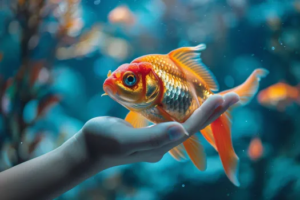
Why Koi Lose Their Color and How to Restore It
Koi sometimes fade after purchase because some sellers feed color-enhancing diets that wash out once the fish eats normal food at home. Color also shifts with water quality, temperature, stress and poor nutrition. Buy from a trusted aquarium shop, feed on a fixed quality, amount, time and place, and keep water clean with low nitrates and stable pH. For red fish aim pH 7.0 to 7.2 with natural carotene foods; for black markings keep pH below 7.2, cooler water and harder, well-lit conditions.

How to Choose and Care for Goldfish
Keeping goldfish starts with choosing healthy fish, especially for beginners who may otherwise face sudden illness. Avoid fish that float head-down, list to the side, or show wounds, lost scales, white fuzz, white spots, bloodshot fins, cloudy eyes or faded color. Feed a varied diet of live foods or quality pellets, use fixed times and spots, keep one year-old fish to about 10 litres of water, and maintain clean, stable-temperature water to prevent disease.

How to Give Your Cat a Glossy Coat
A dull, rough coat usually points to diet, poor care, environment or health. Feed balanced nutrition and add supplements such as lecithin, fish oil and vitamins to lift coat quality. Brush often to clear dead skin and boost circulation, bathe gently as needed, and keep fresh water available. Avoid harsh sun or dry air, and schedule regular checks so skin infection, parasites or other illness are not the hidden cause.