Search Results
3206 results for “Temperature”
Do Rabbits Need to Hibernate?
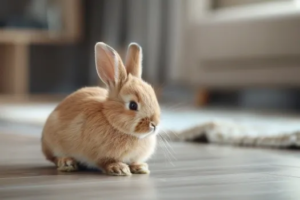
Rabbits do not hibernate. As warm-blooded animals, they regulate their own body temperature and stay active through winter. That said, they still feel the cold despite their thick fur, so owners must provide warmth and shelter when temperatures drop. Moving the hutch indoors, sealing drafts, lining the cage, and adding soft bedding all help prevent chilling. Adjusting the diet with extra food and higher-calorie items supports their increased winter energy needs. This article explains why rabbits skip hibernation and how to keep them safe in cold weather.

Why Is Your Cat Meowing So Much?
Frequent meowing is like a baby's cry—usually a need or a bid for security. Check the basics first: hunger (refill food), thirst (cats hate stale overnight water—change it daily, use cooled boiled or purified), a dirty or moved litter box, temperature (or tight clothing), and pest bites (time to deworm). Heat (intact cats, females ~6 months, males ~10) and illness or pain are next; do a one-minute body and stool check, and consult a vet if it persists. Some breeds (Devon Rex, Li Hua, Ocicat) are just chattier, and some cats learn that meowing earns treats—reward quiet instead.

How to Make Alfalfa Powder for Homemade Cat Food
Alfalfa powder is a simple, nutrient-rich topper for homemade cat food, yet many owners aren't sure how to make it. The process is quick: a handful of alfalfa, a few seconds in a grinder, and it's done in under five minutes. Alfalfa grows on fertile soil with roots that reach deep for minerals, and as a dried plant it keeps its enzymes and is packed with vitamins A, B, C, D, E, and K plus antioxidants that aid digestion. A teaspoon a day for a 4-5 kg cat is plenty, and it stores dry at room temperature.

How to Tell If Your Cat Has Feline Rhinotracheitis (Cat Flu)
Cat flu and a common cold look alike, which leaves many owners unsure whether their cat has feline rhinotracheitis — an infection caused by the feline herpesvirus. The reliable approach is twofold: watch the symptoms and confirm with a test. Early signs are subtle — sneezing, a runny nose, watery eyes, low appetite, no fever — while the active phase brings a high temperature near 40°C, persistent coughing and sneezing, and thick eye and nose discharge. A test strip or a PCR check at the clinic confirms it, but the result must be read alongside the symptoms.
Preventing Autumn Diarrhea in Dogs
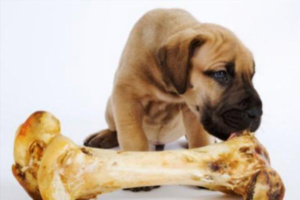
Dogs can get diarrhea in any season, usually from poor feeding habits or a habit of chewing whatever they find. Frequent bouts leave the gut fragile and hold back healthy growth, so prevention matters most when the weather turns. In autumn, sharp day-and-night temperature swings, a seasonal rise in infectious disease, and faster food spoilage all raise the risk. A warm sleeping spot, up-to-date vaccinations, and fresh, properly handled food are the three habits that keep a dog's stomach settled through the change of season.

Why Does My Hamster Twitch While Sleeping?
A sleeping hamster is usually still, so little twitches and jerks can worry a new owner. Most of the time the cause is harmless: muscles still settling after play, a vivid dream, nervousness in a new home, or simply feeling cold. Only when twitching pairs with other signs of illness should you worry. The fix is usually comfort and warmth rather than medicine. This guide explains the common reasons a hamster shakes in its sleep and what you can do to help it relax.

Keep These Cleaning Products Away from Your Dog
Household cleaners carry more hazardous chemicals than you think, and they are far worse for dogs. Dogs spend nearly all their time on the floor, touching cleaners directly and absorbing them through paw pads and skin; even off the floor, their keen noses inhale the toxins. Five chemical groups to watch: ammonia (toxic, irritates the respiratory system; in glass/stainless cleaners, floor wax)—seek vet care if ingested. Chlorine/bleach (vomiting, diarrhea, burns, even seizures; in toilet/mold cleaners, detergent). Phthalates (linked to liver, testicular, pancreatic tumors; in nail polish, hairspray, soap, shampoo—avoid in dog toys). Glycol ethers (liver, nerve, digestive harm; in multipurpose/carpet/glass cleaners, hand soap; even 'natural' ones). Formaldehyde (irritates eyes/skin, slows breathing; in perfume, tissues, hand soap, nail polish). Also avoid 84 disinfectant (bleach-based, corrosive, causes chronic rhinitis).

Grooming and Coat Care for Your Cat
Shedding is normal—fur renews daily and surges with the seasons (long coat out, short coat in for summer; kept for winter). But shedding also rises from artificial temperature swings, poor diet (low protein/vitamins), skin damage (parasites, bad shampoo), hormonal imbalance after spay/stress, or old age. Improve coat quality with a clean, suitable environment, sunlight in short doses, and enough protein plus meat toppers. Groom by brushing out loose fur, massaging the skin, and a warm damp-towel wipe once a week to cut random shedding.

The ‘Sandwich’ Training Trick to Make Your Cat Cooperate
The 'sandwich' method borrows a conversation technique of praise–criticism–praise and applies the same pattern to cat training. Once you master it, tasks your cat used to resist—giving pills, trimming nails, brushing, detangling—will be met with cooperation. The principle is simple: first do something your cat loves (play, treats); then quickly perform the 'scary' procedure (pilling, etc.); and finally end with something it loves again. Learn what your cat enjoys—chin scratches, baby food, laser pointers, catnip—and identify the procedures it fears, from nail trims to temperature checks. With patience you will discover its motivators, and over time the 'scary' routines lose their fright. A small tip: for long procedures like nail trimming, give a full sandwich after each single nail.

Causes and Prevention of Enteritis in Pet Turtles
Enteritis is one of the most common illnesses in pet turtles, and it usually starts with two problems: poor feeding habits such as overfeeding or spoiled food, and infection by bacteria, viruses, fungi, or parasites. The good news is that with the right treatment—stopping diarrhea, then restoring gut function, then refeeding—most turtles recover. Even better, a few steady husbandry habits around water, tank cleaning, and feeding can prevent most cases before they begin. This guide covers both treatment and prevention.