Search Results
3206 results for “Temperature”

Symptoms of Fever and Colds in Cats
A cat's normal temperature runs higher than a human's, but cats get fevers and colds too. Because they cannot tell us, the signs are easy to miss. Look for a cat that suddenly prefers cool floors and shady spots, has a hot dry nose, seems unusually sleepy with rapid breathing, and has warm ears and belly. Low urine output points to dehydration. Watch also for hypothermia: below 35°C is life-threatening, and pale extremities mean you should rush to the vet.

Cat Health Checkup Guide (Part 2)
This second part walks through what actually happens during a cat checkup: the physical, laboratory, and imaging exams. Knowing the routine helps owners make informed decisions and give their cat a more secure, well-supported life.

When Do Yellow-Margined Box Turtles Reach Sexual Maturity?
Yellow-margined box turtles generally reach sexual maturity at 5 to 7 years of age, then mate each mid-April and lay eggs from May to September. But breeding needs more than maturity—suitable environment, diet, light, temperature, and humidity all matter, and you need one male and one female paired together. After laying, check the eggs for fertilization and remove infertile ones so they don't spoil the rest of the clutch. This article covers their maturity timeline and breeding behavior.
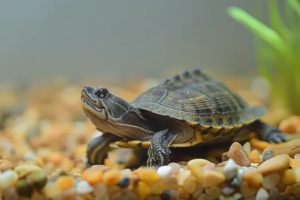
What to Do After Your Yellow-Margined Box Turtle Lays Eggs
After a yellow-margined box turtle lays eggs, move them to an incubator with the right conditions. Manage temperature and humidity carefully: aim for 25 to 30°C overall, with humidity near 65% in the first 25 days, 70% in the middle period (days 26 to 50), and 80% later (days 55 to 75). Also check that the eggs' air pores stay clear—blocked ventilation can stop development or kill the embryo. This article walks through the incubation care that helps your eggs hatch in about two to three months.
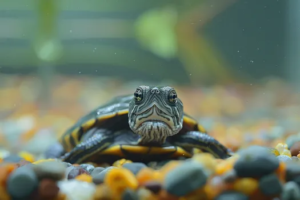
How to Prevent Turtle Eggs From Molding During Incubation
Turtle eggs can mold during incubation when temperature and humidity are off, when eggs are contaminated or cross-infected, or when they were never fertilized. Good incubation management is the key defense. After laying, check each egg for fertilization and remove infertile ones so they don't spoil in the warm, humid box and infect the rest. Keep temperature and humidity appropriate, control pests, and protect eggs from contamination and cross-infection. This article explains the causes and the practical steps to keep your hatch healthy.

How Often Do Turtles Shed Their Shell?
Turtle shell shedding (ecdysis) is a normal part of growth: as the body enlarges, the old shell can no longer contain it, so a new one forms underneath. Turtles usually begin shedding around age 2 to 3, with each cycle lasting 1 to 3 months, most often in spring and summer when metabolism is high. After age 6, growth stabilizes and shedding slows. Owners must let the scutes detach naturally—never pull them—and boost calcium and nutrition during the process. This article explains the timing, care, and warning signs.

Everyday Dog Facts You Should Know
Useful norms: adult dogs run 37.5–38.5°C, puppies 38.5–39°C (low temp can be more dangerous than fever); adults have 42 teeth (28 baby by 2 months, full set by ~1 year—watch for 'double rows' needing vet help); adults sleep 10–15 hours, puppies ~20, in naps; front paws have 5 toes (including the vestigial dewclaw), rear have 4—trim dewclaw nails to avoid ingrowth; and dogs are red-green color-blind, seeing blue and yellow, judging traffic lights by brightness, not hue.

Preventing Autumn and Winter Dog Illnesses
Cold seasons bring risks. Keep warm—especially puppies and seniors—with a warmer bed, blanket, or heat lamp (watch electrical safety and distance); bathe at midday in sunlight, less often, warmer water. For weather-related colds (sneeze, runny nose, cough), use pet-specific cold medicine and warmth—never human drugs—and see a vet if it worsens. Keep walking for immunity; short-haired or weak dogs can wear coats and must be dried after rain. Diet may need more frequent small meals; keep probiotics ready for soft stool. Deworm year-round (fleas stay active), and expect the autumn coat shed (Sept–Oct).

Caring for a Cat With a Delicate Gut
A fragile gut shows as diarrhea, constipation, bad breath, vomiting, or poor appetite—if two or more last over three days, take it seriously. Causes range from stress (moving, sudden food changes, strangers) and seasonal chills to lactose intolerance, gastritis, and parasites or viruses (including panleukopenia). Respond by deworming if overdue, rushing to a vet if fever swings with sudden vomiting (could be distemper), or giving cat probiotics and a plain, additive-free, moist, nutrient-rich diet while boosting water and vitamins.

How Climate Change Affects Dogs
Autumn is the most comfortable season, loved by people and dogs alike. Notice that whenever weather changes, a dog's mood shifts noticeably. Heat: most dogs grow listless in hot seasons, preferring the AC; short-nosed breeds lose many companions each summer, and double-coated dogs struggle (owners go mad from shedding)—they need regular brushing for airflow. Cold: dogs turn lazy in severe cold, especially short-haired and lean breeds lacking insulation; long-haired and double-coated dogs thrive. Low pressure: dogs sense weather via air pressure and can foresee storms; the AVMA found pressure changes strongly affect behavior—restlessness, even aggression, or unusual excitement before storms. This doesn't permanently change behavior, but comfort an intense reactor. Do dogs get depressed? A UK vet charity survey found 40% of UK dogs show winter mood drops, suspected of Seasonal Affective Disorder (SAD); affected dogs sleep more and move less, and sunny outdoor time (as in human SAD treatment) eased symptoms—because winter SAD comes from extra melatonin, the sleep hormone, which sunlight stops the pineal gland from releasing.