Search Results
3206 results for “Temperature”
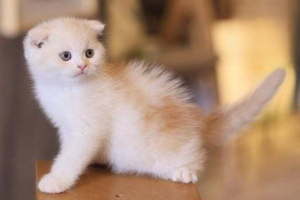
Recipe: Chicken Paste for Cats
Chicken paste is one of the easiest homemade cat foods to make, and its soft texture makes it ideal for kittens, older cats, or any cat that needs extra hydration. Poach a chicken breast in water for about five minutes, then blend the meat and broth together for a minute or two until smooth. The result is a gentle, high-protein meal you can serve on its own or stir into a cat's regular food.
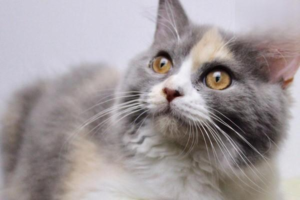
Health Checks Every Cat Owner Should Know
Must-do checks: a baseline exam plus a four-way infectious test (panleukopenia, herpes, calicivirus, coronavirus) for every new cat—do it early, before symptoms turn deadly. Antibody tests suit cattery-bought kittens. Pre-surgery bloodwork matters for seniors; post-illness rechecks and fecal/SAA/urine tests catch parasites, inflammation, and urinary disease. Skip unnecessary ones: toxoplasma testing is mainly for pregnant households, and X-rays are for swallowed objects or fractures.
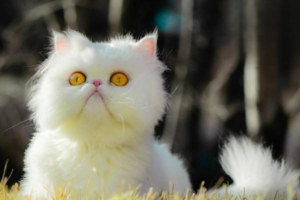
Recipe: Duck Jerky Cat Treats
Duck jerky is one of the simplest homemade cat treats, and duck is a lean, novel protein that many cats enjoy. The method is easy: slice duck breast into strips, dehydrate at 68°C for about eight hours, and store it dry at room temperature. Five hundred grams of raw breast shrinks to roughly 100 g once dried, so a batch goes a long way as an occasional reward that also helps with teeth.
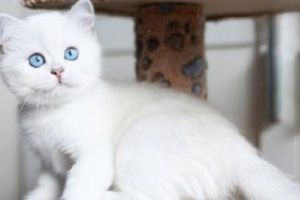
Why Is Your Cat Shedding?
Shedding is often normal: kittens lose soft baby fur around 4–8 months, and all cats do a seasonal coat change in spring (March–May) and autumn (September–November). But it can also signal trouble—external parasites (mange mites, fleas) cause redness, itching and hair loss; poor nutrition or too much salt weakens the coat. Rule out illness, then manage loose hair with a vacuum and a de-shedding tool. Never over-salt the food, and keep protein and vitamins adequate.

Why Does My Rabbit’s Nose Twitch Constantly?
A rabbit's nose may twitch frequently for many reasons—sniffing, breathing trouble, anxiety, or bacterial and parasite infections, even a nose injury. When the rabbit is calm or asleep, the twitching usually slows or stops. To protect your pet, provide a suitable environment, balanced diet, controlled temperature and humidity, and regular cleaning and disinfection to limit infection. If the twitching persists with a runny nose, injury, appetite loss, or lethargy, consult a veterinarian for a proper diagnosis and treatment plan.

Are Hamsters Sensitive to Heat? Signs and Cooling Tips
Hamsters do mind the heat, and in a hot summer they can overheat and suffer heatstroke, showing signs like lying still, dull eyes, and rapid breathing. Owners need to plan cooling before the temperature spikes. The good news is that simple housing tweaks—shade, the right bedding, a water basin, and stable temperatures—go a long way. This guide covers how a heat-stressed hamster behaves and the practical steps to keep it safe through the summer.

Why Is My Ragdoll Cat Breathing Heavily?
A Ragdoll that breathes noisily isn't automatically sick—it may simply have exercised hard or be reacting to heat. But if the heavy breathing persists, it can signal real problems: respiratory disease, obesity, heatstroke, infectious peritonitis, liver-related fluid buildup, or heart disease. Watch for other symptoms and see a vet if it continues. For overweight cats, weight control helps; in hot weather, keep them cool and hydrated to prevent heatstroke. This article covers the likely causes and the practical steps you can take at home.
Why Did My Blood Parrot Cichlid’s Tail Turn Black?
Blood parrot cichlids are popular aquarium fish, and owners are often alarmed when a fish's tail slowly turns black. The cause is usually practical rather than mysterious—water temperature swings, poor water quality, a fright, or a bacterial black-spot disease. Most cases trace back to husbandry, so the fix is often a better water routine. This guide explains the common reasons and the matching treatment to bring the color back.
Hamster Heatstroke: Signs and First Aid
Hamsters tolerate heat better than some small pets, but a sustained hot spell can still overcome them, and heatstroke is fast and dangerous. Early signs are deceptive—frantic racing—but they quickly give way to lethargy, rapid breathing, and collapse, and an untreated hamster can die within half an hour. Quick cooling and fluids are the difference. This guide explains how to recognize heatstroke and the step-by-step first aid that can save your hamster.

Can Dogs Drink Alcohol?
A dog's body cannot metabolize alcohol, so for a dog, any alcoholic drink is poison. Whether baijiu or beer, the active agent is ethanol; if ethanol is the main threat to a dog's health, the other ingredients are accomplices—the enzymes in wine, for example. Dogs do not 'like' alcohol; from a dog's view these liquids that help humans forget their worries are just odd-smelling substances. After ingestion a dog quickly shows drunkenness: loss of coordination, drooling, racing heart, low temperature, dropping blood sugar, weakness, even coma. Unlike humans (who often die from aspirating vomit), 99% of dogs die from respiratory failure as the body mobilizes everything to break down ethanol, then breathing slows and stops. The best rescue window is 20–40 minutes—get to a vet, do not induce vomiting at home. Even survivors can suffer kidney, liver, or heart failure. Spirits, wine (grapes are toxic to dogs), and beer (most dogs are allergic to hops) are all dangerous.