Search Results
3206 results for “Temperature”

Why Do Koi Get Enteritis?
Koi enteritis has many triggers: poor water quality, temperatures that are too high or low, malnutrition, dirty food, and viral or parasitic infection. Good pond management is the first line of defense—keep water clean and the temperature stable, feed a varied, hygienic diet, and test the water and control disease regularly. If a koi does develop enteritis, act fast: fix the water, use antibiotics or anti-inflammatory drugs as a vet advises, and adjust the diet to support recovery.
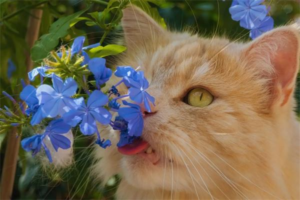
Where Do Cats Like to Hide?
Cats are naturally cautious and alert, so they are drawn to hidden, dark, and narrow spaces where they feel safe. Common hideouts include under the bed or sofa, inside cabinets and small enclosed spaces, up on high shelves and bookcases, and tucked inside boxes, bags, and even the occasional sink. Outdoors, cats slip into grass and bushes to explore and play. Knowing your cat's favorite spots helps you find it faster when it disappears, and understanding this instinct lets you support its well-being. Providing a closed, secure, and comfortable retreat of its own satisfies a cat's need for privacy and can greatly increase its happiness at home.
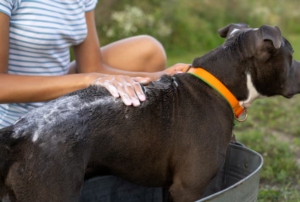
How Often Should You Bathe Your Dog in Summer?
Bathing your dog once a week is usually too often. A dog's skin relies on its sebum layer to stay moist and protected; over-bathing strips it, causing dryness, worse odor, and skin infections. Frequency should follow coat type and lifestyle—indoor small dogs may need only every two to three weeks, while active outdoor dogs can go weekly. Between baths, wipes, toothbrushing, and ear care keep odor down.
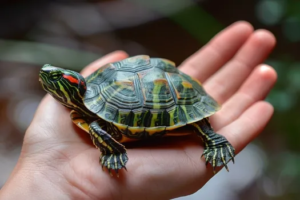
Why Is My Turtle’s Shell Rotting?
A rotting shell loses the turtle its main shield, and it usually comes from imbalance: poor diet short on vitamins and minerals, skipped cleaning that lets bacteria and parasites invade, too little light and wrong temperatures, or untreated scrapes that get infected. Feed a complete, balanced diet; rinse the shell weekly and keep the tank water fresh to stop bacteria; give proper sunlight—it disinfects—and steady warmth; and pad the enclosure so the shell isn't injured. If you spot damage, treat it early before infection spreads. Steady, careful care is what keeps a turtle's shell sound.
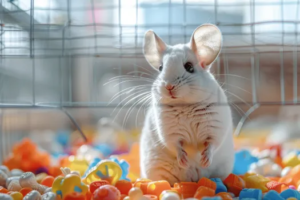
What Season Is Best for Breeding Hamsters?
Indoor pet hamsters can technically breed year-round with the right care, but spring and autumn are best for success and healthy pups. Both seasons have mild temperatures and plentiful, nutritious food, and females come into heat more readily. To breed, start with healthy adults of the right age, set up a roomy, warm, well-supplied cage, and pair them once the female shows clear courtship signs like squeaking or a raised tail. Avoid inbreeding, respect age limits (females around 3 months, males around 4), keep the cage clean and warm through the 6–10 day cycle, and after birth watch nursing, clean regularly, and split the pups into separate cages as they grow.

Why Can’t My Dog Fall Asleep?
A dog that can't sleep is usually dealing with physical discomfort, emotions, or habits. Pain or unease—made worse by a room that is too hot or cold, noisy, or with a poor bed—keeps a dog awake, so give a comfy, quiet spot and a soft pad. Anxiety, stress, or fear also block sleep; calm and reassure a tense dog, keep its environment free of frights, and add play and exercise to burn off stress. Habits matter too: a heavy late dinner causes night waking, so feed a moderate evening meal and keep a regular bedtime to set its internal clock. If sleeplessness is frequent, see a vet to rule out pain, breathing trouble, or frequent urination.

Do Guinea Pigs Need Baths?
Yes—guinea pigs need baths. As small pets they live in easily soiled spaces, and without regular washing, dirt builds up, they smell, and health suffers. A bath cleans the coat, cuts bacteria and parasites, and lowers disease risk, and it is also a nice bonding moment where you learn your pet's habits. Aim for 2–3 baths a month; over-bathing strips the skin's natural barrier and causes dryness and itching. Use lukewarm water (35–38°C), guinea-pig-specific tub and shampoo—never human products—and dry thoroughly with a towel and low-heat dryer to prevent chills. For pigs that hate water, a wipe-down with a damp cloth or pet cleaning spray works too.

What Are the “Old Three” Fish-Keeping Remedies?
The "Old Three" is a classic, must-know technique every fish keeper should learn, and the go-to treatment when fish fall ill. It rests on three simple, low-stress steps: water change, raising the temperature, and adding salt. Regular water changes flush out waste, pathogens, and parasites to keep the tank clean. A modest temperature bump speeds up the fish's metabolism and boosts its immunity. Salt—used at a low concentration—shifts the water's osmotic pressure so bacteria struggle to enter the body and the fish's organs work less hard. Together these measures support recovery and protect your fish's long-term health.

Dog Panting After a Short Walk? Watch for Heart Trouble
Panting after a brief walk is not always harmless—it can be a dog's heart crying for help. Heat, obesity, and flat-faced breeds pant normally and recover within minutes, but sudden breathlessness at rest, coughing at night, bluish gums, or constant fatigue warrant prompt cardiac screening. Early diagnosis and steady daily care can dramatically slow heart disease.
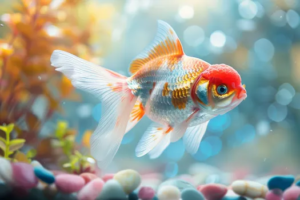
Why Is Your Ornamental Fish Turning White?
When an ornamental fish starts turning white, it is usually a sign of trouble. Common causes include fungal or parasitic infections such as saprolegniasis, neon-tetra disease, or white spot disease; poor water quality with high ammonia or low temperature; unbalanced nutrition; or simply genetics in fish that are naturally pale. Check for lethargy and appetite loss, test and stabilize the water, and feed a proper species-specific diet. If illness is the cause, consult a veterinarian for timely treatment.