Search Results
3212 results for “Temperature”

A Turtle’s Main Nutritional Needs
A turtle needs protein, fat, carbohydrates, minerals and vitamins; a lack of any stalls growth, causes disease and can be fatal. Protein demand falls with age (hatchling > juvenile > breeder > adult) and must be animal-based; fat carries vitamins A/D/E/K but rancidizes if not stored cold and sealed; starch is best around 22.7–25.3%. Captive turtles also need added calcium, phosphorus and a complex vitamin mix.

Rabbit Breeding Characteristics
Rabbits are extremely fertile but have no regular estrous cycle — they are induced ovulators that release eggs only after mating or drug stimulation, 10–12 hours later. They have two separate uteri (allowing double pregnancies), mate most successfully around dawn and dusk, and suffer summer infertility, especially males. Pseudopregnancy is common and prevented by re-mating.

Arowana Feeding: Tips and Precautions
Arowanas are large, easy-going freshwater fish that need stage-based feeding: fry 6–8 small meals a day down to adults once a day, always to about 80% full and finished within 10 minutes. Use floating food to avoid droopy eye, cut shrimp rostra, disinfect live prey, and shift from growth-type to color-enhancing foods during the color phase.

Rabbit Growth, Development and Molting Traits
Rabbits grow fast and convert feed efficiently early in life, especially as kits. A kit is born about 50 g, doubles by one week and reaches 40% of adult weight by eight weeks, with feed conversion best (2:1) at three weeks. They molt twice by age (around 30–100 and 130–190 days) and seasonally each spring and autumn, when extra nutrition helps.
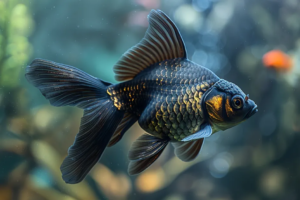
The Right Way to Change Fish Tank Water
Healthy fish start with healthy water. Sudden changes in quality, temperature, or pH can make fish sick, so change water regularly but not too often. Here is the correct way to do it.

How Many Days Until Pigeon Eggs Hatch?
Pigeons are common birds and beloved pets with strong breeding ability, laying several clutches a season. How long after laying until chicks hatch? A common beginner question — this article explains.

What Beginners Should Know About Keeping Goldfish
More people keep pet fish, but beginners have many questions at first. Here are key points for keeping goldfish and other pet fish, to help you raise them better.

How to Pick Healthy Goldfish
Picking healthy goldfish is the first step to keeping them well; beginners should choose carefully, but telling health apart is hard. Here are tips for selecting goldfish and preparing the tank.

How Often Do Blood Parrot Cichlids Lay Eggs, and What Are the Signs?
Blood parrot cichlids are popular, colorful hybrid fish. The male cannot reproduce, so breeding requires a female crossed with a red devil. This article covers laying frequency, pre-spawning signs, and breeding notes.

Cockatiel: Habits and Breeding Performance
The cockatiel is a quiet, musical parrot that is hardy, disease-resistant and easy to keep, but needs a metal cage (it chews wood) and a varied diet. Its breeding season runs August to December, with 4–7 white eggs incubated about 18–20 days, and it can raise 3–4 clutches a year. Stop breeding in hot July–August and in old age, and keep the environment quiet and warm during incubation.