Search Results
3212 results for “Temperature”

How to Tell Heatstroke and Wet Tail Apart in Hamsters
Both wet tail and heatstroke are serious and can be fatal in hamsters, and their symptoms look alike, so owners often mix them up and delay treatment. Here is how to tell the two apart.

Why Do Goldfish Lose Buoyancy (Swim Bladder)?
Lost buoyancy (swim bladder disorder) is a common goldfish disease many owners meet. Signs include the fish lying on its side or upside down, floating at the surface or sinking to the bottom. This article focuses on the common causes of swim bladder loss in goldfish.
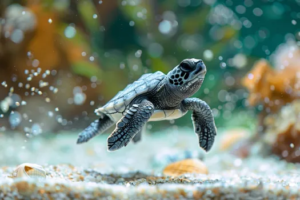
When Do Turtles Hibernate and What to Watch For
Like snakes, hamsters, and fish, turtles go into hibernation when it gets cold. But if it is too warm or they can't find a proper spot, they may fail to hibernate and their metabolism suffers. Here is when and how turtles hibernate, plus key precautions.

How to Prevent Swim Bladder Disease in Ornamental Fish
Swim bladder disease is common in ornamental fish; prevent it by controlling temperature and water quality. Many cases follow water changes with big temperature gaps — keep new and old water within about 2°C. If a fish loses buoyancy, isolate it in shallow water with a little salt, feed less, and if needed add a buoyancy aid.

Causes and Treatment of Cellulitis in Dogs
Staphylococcus and streptococcus are the main bacteria behind cellulitis, though some cases come from mixed putrefactive infections and usually need surgical debridement. Here are the causes and treatments of canine cellulitis.

Why Are Blood Parrot Cichlids Prone to White Spot Disease?
Blood parrot cichlids mainly get white spot disease (ich) from Ichthyophthirius parasitism, with large temperature swings the top trigger. Failing to hold stable temperatures, or big gaps between new and old water when changing water, easily causes outbreaks. Beyond ich, gill rot, red-skin disease, and dropsy are also common — take preventive measures to reduce illness and deaths.

Easy-to-Keep Aquarium Fish for Beginners
Cheap, hardy beginner fish include guppies, comet goldfish, ryukin goldfish, bettas, swordtails, zebra danios, tiger barbs, dwarf parrot cichlids, and mollies. They are tough, easy to keep alive, and inexpensive — ideal for new aquarists. Guppies and comets are top picks for newcomers because they adapt well, aren't picky eaters, and look good. Keeping fish alive is easy; keeping them well takes effort, so learn and improve as you go.

French Bulldog Heatstroke: Symptoms and What to Do
Heatstroke happens when a dog cannot regulate its body temperature in hot or humid conditions, causing dangerous overheating. As a short-nosed breed, French Bulldogs are especially prone to heat stress and breathing difficulty. An affected dog runs a temperature above 40°C with rapid breathing, red membranes, dry mouth, tongue extension, foaming, and even collapse — move it to shade, give water and electrolytes, and apply ice to the armpits, belly, and neck to cool it down.

How to Tell Male and Female Koi Apart, and How to Breed Them
Young koi are hard to sex, but at maturity males grow faster as juveniles while females become larger with a fuller belly. Tell them by head shape, rounded (female) vs pointed hard (male) pectoral fins, and the vent—protruding and wide in females, narrow and recessed in males. In season, males show rough white nuptial tubercles on the gill plate and first ray and release milt when pressed; females feel smooth and release eggs. Breed in spring (18–24°C) at a 1:3 male-to-female ratio, give diffused light, and remove parents after spawning to protect the eggs.

How to Care for a Cockatiel
Cockatiels are sturdy climbers that love to chew wood, so use a roomy metal cage (about 45×60×40 cm per pair) with a 2 cm perch. Clean the water cup daily, disinfect cups weekly, and keep the room at 16–30°C. Feed a mixed seed diet—millet 40%, hemp 20%, panicum 20%, sunflower 10%, rice 10%—plus egg-food and greens. They breed from about eight months; skip summer breeding for better hatch rates, and keep things quiet during nesting.