Search Results
3212 results for “Temperature”

Siberian Blue Robin
The Siberian Blue Robin (Luscinia cyane), also called the blue-tailed robin, is widely distributed and in the wild likes to dwell near the ground, hiding among reeds and thorns. Its type locality is the Daurian region of Siberia.

Should Hamsters Hibernate
Hamsters can tolerate cold and technically hibernate, but their hibernation — often called 'pseudo-hibernation' — is risky and usually unprepared, so pet hamsters should be kept from it. Low temperature plus low light triggers it; risks include fatal hypothermia, energy depletion, and dehydration. If it happens, warm the hamster gradually and offer warm sugar water.

Is It Necessary to Bathe a Hamster
Normally you don't need to bathe a hamster — they self-clean with dust bath sand and can die from water baths. Bathe only when fur is contaminated with toxins or sticky matter. The step-by-step method uses near-room-temperature water, unscented pet shampoo, gentle wiping away from the face, and a warm, dry recovery.

How to Bathe a Hamster
Normal hamsters don't need baths — water strips their natural oils and risks their health. Odor usually means a dirty cage (clean it weekly) or, occasionally, a female in heat. Use dust bath sand for routine cleaning; only use water for dangerous contaminants like toxins or sticky substances, following a careful step-by-step method.

Common Causes of Hair Loss in Hamsters
Hamster hair loss has many causes beyond normal shedding: old age, low dietary protein, skin friction in the cage, seasonal molting, over-grooming, pregnancy, and hormonal imbalance (including male-pattern baldness from excess testosterone). Identifying the cause lets owners apply the right fix.

How Often to Feed Turtles in Summer
In hot summer a turtle's metabolism speeds up and its appetite grows, so you can feed a bit more to build reserves. Hatchlings under 5 cm should be fed daily, larger turtles every other day, and feeding should avoid the strong midday sun. Good summer care also means shade plants, checking food for spoilage, balanced nutrition, and frequent water changes to prevent shell rot.
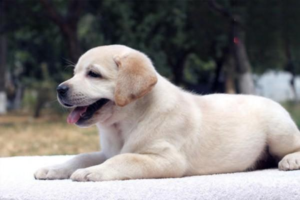
Can a Dog Recover from Heatstroke on Its Own
Mild heatstroke in dogs can sometimes resolve on its own if the dog is moved to a cool place and cooled promptly, but moderate to severe heatstroke rarely self-heals and can be fatal. Treatment ranges from fan cooling and oral rehydration to emergency cooling and immediate veterinary care, while prevention focuses on coat trimming, never leaving a dog in a car, and avoiding midday walks.

Signs Your Cat Is Overheating and What to Do
Cats are highly sensitive to heat and can quickly go from discomfort to heatstroke in hot weather. Key warning signs include sprawling belly-up on the floor, panting with the tongue out, drinking excessively, and losing appetite. Keep your cat cool by ensuring air circulation, thinning (not shaving) the coat, and providing plenty of fresh water.
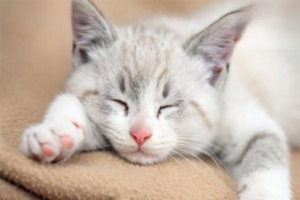
How to Prevent Heatstroke in Cats in Summer
Cats have no sweat glands and cool only through paws and muzzle, so they overheat fast — heatstroke brings panting, rapid breathing, and can be fatal. In an emergency move the cat to shade, cool it with damp towels and alcohol on paw pads and armpits, and see a vet if needed. Prevent it with a cool airy home, plenty of water, AC around 25°C, trimmed paw fur, and never shave the coat, which protects against water loss, injury, and sunburn.

Why a Golden Arowana Bubbles at the Water Surface, and What to Do
A golden arowana blowing bubbles at the surface usually means low tank oxygen, poor water quality or wrong temperature, or simple indigestion. Fix low oxygen with a one-third water change and an air pump; keep temperature near 25°C and pH 6.5–7.0; for indigestion, fast the fish three days then feed easy foods like plants or cooked millet.