Search Results
3212 results for “Temperature”

What Are a Rabbit’s Living Habits and Traits
Rabbits are timid, nocturnal, dry-loving, solitary chewers that eat only plants. They rest by day and eat 70%+ of their food at night, cool mainly by breathing so they need dry 14–20°C housing, fight if caged together, gnaw constantly to wear down open-rooted incisors, and must never be fed meat. A common myth is that they need no water — they do, in moderation.
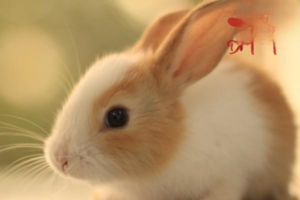
What to Do When a Rabbit Sheds Excessively
Heavy shedding has several causes. Seasonal molts (March–April, September–October) are normal — just groom daily. Diet lacking fiber or vitamins A/B causes shedding and fur-eating, fixed by balancing the feed. Fungal or parasitic infection brings dandruff and ring bald spots and needs a vet; bacterial dermatitis (Necrobacillus, Staphylococcus, Pseudomonas) needs the right antibiotic. Identify the cause before medicating.

What Season Is Best for Breeding Rabbits
Spring and autumn are the best breeding seasons — warm, dry, and bright, with high conception and kit-survival rates. Avoid breeding above 30°C in summer or without heating in winter. Choose quality stock, feed a balanced diet with carrots pre-breeding, give exercise and light, and time mating to bright-red vulva estrus using repeat mating.

Precautions for Group-Fattening Meat Rabbits
Group-fattening meat rabbits saves labor and improves finishing, but only if you manage stocking density, separate sexes and group by condition, keep littermates together, run an all-in/all-out system, and maintain strict hygiene, disinfection, quiet, and temperature control. These measures raise survival and finishing rates.

Daily Management of a Goldfish Aquarium
Even with an automated tank, daily goldfish management matters—watch activity and respond to environment and health changes. This guide covers tank placement, setup, stocking density, feeding and water changes.
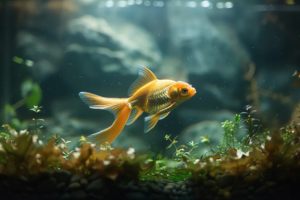
Goldfish Feeding Habits Across Life Stages
Goldfish feeding changes through three stages—larva, juvenile and adult. Matching diet to each stage's needs, keeping protein adequate and water warm (20–28°C) keeps fish healthy and colorful.

How to Care for Premature Puppies
Premature puppies are weak with low resistance and need careful, round-the-clock care to survive. This guide covers their health risks and the two pillars of care—proper feeding and warmth.

Rabbit Rhinitis: Symptoms and Treatment
Infectious rabbit rhinitis is usually triggered by temperature swings; young rabbits are hit hard with high death rates. This guide covers symptoms, when it strikes, and treatment plus prevention (isolation, penicillin/streptomycin, vaccines).

Caring for Your Dog in Early Autumn
After summer's heat, autumn feels great and dogs play more—but the season change brings risks if you ease up. This guide covers chills, obesity, estrus, and the autumn coat blow.

What to Feed a Constipated Cat for Fast Relief
Mild cat constipation can often be eased at home with dietary fiber and gentle laxatives, but a cat that hasn't defecated for more than three days needs veterinary attention. This guide covers safe home remedies for mild cases and the medications to use when constipation becomes severe.