Search Results
167 results for “Skin oils”

Snow Squirrel
The Snow Squirrel is a gentle, delicate-looking rodent whose coat changes with the seasons, valued for both its fur and as a pet. An active nut-lover, it needs a varied diet, temperature-controlled housing, and safe chewing material for its teeth.

Chameleon
Even if you have never kept a chameleon, you have surely heard that it can change color. Chameleons change color mainly for self-defense, but what physiological traits cause this? And did you know a chameleon's color can also reflect its mood?

How Often to Feed Turtles in Summer
In hot summer a turtle's metabolism speeds up and its appetite grows, so you can feed a bit more to build reserves. Hatchlings under 5 cm should be fed daily, larger turtles every other day, and feeding should avoid the strong midday sun. Good summer care also means shade plants, checking food for spoilage, balanced nutrition, and frequent water changes to prevent shell rot.

Common Mistakes When Choosing Dog Shampoo
Always use dog-specific shampoo or you risk skin problems, but quality varies. This guide debunks myths—'more scent', 'more foam', 'slicker is better', 'human shampoo is fine'—and explains why dog and human skin differ.

Benefits and Precautions of Fish Oil for Cats
Fish oil rich in omega-3 supports a cat's skin, coat, immune system, and heart, but it must be dosed carefully and chosen well. This guide covers the benefits of supplementing fish oil and how to feed it safely without causing harm.
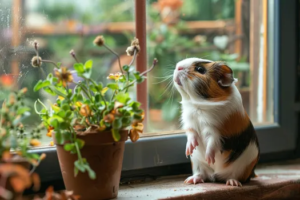
Is Chinchilla Soft Stool Normal, and How to Handle It
Normal chinchilla droppings are firm rice-grain pellets; soft stool is abnormal and can slide into severe diarrhea and enteritis if ignored. Mild cases need diet fixes (more hay, no snacks or oily food, probiotics); severe or watery stool needs a vet check, anti-diarrhea and sulfa drugs, deworming, or rehydration.

What to Watch for When Raising Dogs in Spring
Spring's high humidity and active parasites raise the risk of skin disease, colds, and stomach upset in dogs. Keep the coat dry, warm the dog after baths, add vitamins during the shedding season, and deworm monthly (pups) or every 2-3 months (adults).

How to Keep Goldfish Cool in Summer
Summer is peak growth season for goldfish. Right temperatures mean good appetite, more activity, and fewer illnesses, so they grow faster than in other seasons. Here are summer care and cooling tips.

Why Does My Cat Roll on Concrete Floors?
A cat rolling on concrete may be using the surface temperature to regulate body heat, or marking territory, or scratching an itch. There are many reasons; judge by the situation. This article details them.

When Do Golden Retrievers Start Growing Their Adult Coat, and How to Help
Golden Retrievers usually start their coat 'blow' at about 4–5 months and continue to around 8 months. If a Golden hasn't blown its coat by then, beyond genetics the owner's care also plays a role. This article shares ways to support a healthy adult coat.