Search Results
167 results for “Skin oils”

Pet Skin Diseases (Part 1): Parasitic and Fungal Infections
Skin disease is common in dogs and cats and tends to flare up and recur, usually because their skin defenses are weak and their surroundings are full of triggers. The two hardest types to clear are external-parasite infestations (fleas, lice, mites, ticks) and fungal infections (ringworm); both cause intense itching, hair loss, and skin damage and need treatment of both pet and environment. Since they are contagious and slow to resolve, early veterinary care and consistent parasite control are the keys to recovery.

What Causes Skin Abscesses in Hamsters
Hamster skin abscesses are usually bacterial — from fight wounds, foreign-object punctures, spoiled or sharp food in the cheek pouches, flea/mite scratching, or a blocked scent gland in males. Treatment is draining plus oral antibiotics at a vet (never neomycin or antibiotic ointments — they can kill); clean the pouch with saline for mild pouch cases. Act before the abscess ruptures, since worsening can be fatal.

Are Mosquito Coils Dangerous for Cats?
Most mosquito coils and plug-in vaporizers rely on pyrethroids, which a cat's liver cannot break down — so even a small whiff lingers in the body and can cause lasting damage. Signs of poisoning range from drooling and wobbly walking to seizures, and because recovery is slow, the only real cure is keeping pyrethroid products away from your cat entirely.

The Hidden Dangers of Essential Oils for Pets
As essential oils become common in society, their potential danger to curious pets grows. Most importantly, pet owners should know the risks of using essential oils at home to keep pets from contacting potentially toxic compounds.
New kitten, can’t bathe yet, is face dirt or skin disease?
A new kitten's face dirt is likely grime, but cat flu or acne are possible. Clean it and watch; rescue kittens should be vet-checked.

How to Prevent Skin Disease in Shih Tzu Bear Hamsters
The Shih Tzu bear hamster has long, beautiful fur but is prone to skin disease. Causes include wrong bedding (wood shavings, paper pellets) that mats the coat, and urine left on the fur causing hair loss and sores. Treat by clipping and cleaning the spot, then applying an antifungal or antibacterial medicine with an Elizabethan collar. Prevent it with a roomy, dry, cool cage, cat-litter or tissue bedding, litter training, and regular sand baths.
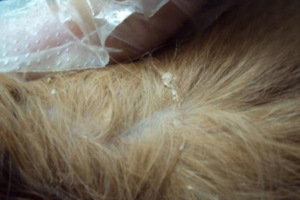
Is Matted Cat Fur a Sign of Skin Disease
Matted fur isn't automatically a skin disease; often it just means the coat wasn't brushed. But mats trap moisture and oil, creating a breeding ground for infection, and ringworm or an old wound can also cause clumping. Regular grooming and the right ringworm care keep the skin healthy.

How Long to Wait After a Bath Before Deworming Your Cat
Wait 3–4 days after a bath before applying a topical dewormer, because washing strips the skin oils the medication needs to be absorbed through the sebaceous glands. Internal deworming is unaffected and can be done right away. Deworm healthy adult cats monthly (topical) and every three months (internal), and avoid baths around treatment.
What causes body odor in dogs?
Body odor has many causes. Infrequent bathing lets skin oils and sweat build up and smell. Ear infections (mites, bacteria, fungi) cause odor. Unemptied anal glands smell, and poor oral care causes bad breath from bacteria.
How is the Fila Brasileiro’s body odor?
May have some odor from coat/skin oils and sweat, but not especially smelly vs other breeds. If strong, check ears, paws, mouth, anal glands. Clean those regularly; avoid too much wet food that causes oral odor.