Search Results
80 results for “Seasonal Care”

How to Reduce Heavy Shedding in a Ragdoll Cat
A Ragdoll's heavy shedding can stem from seasonal change, poor diet, weak care, stress or an underlying health issue. Brush regularly to stop mats, bathe on a sensible schedule with a gentle cat shampoo, and avoid salty or greasy food while adding omega-3 and vitamins for skin and coat. Keep the home calm and quiet, and if shedding stays severe, have a vet rule out skin disease, allergies, parasites or hormonal problems before treating.
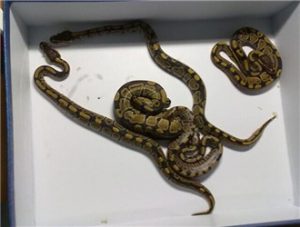
Ball Python
The most popular pet python in the world - a gentle, modest-sized constrictor that curls into a ball when nervous, and comes in endless morphs.

Galapagos Giant Tortoise
The giant of the tortoise world and a conservation icon - some individuals have lived past 150 years, and the species survives only through intensive protection.
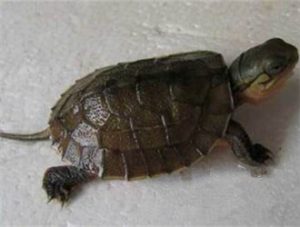
Iverson’s Turtle
Iverson's Turtle (Mauremys iversoni), also called the Fujian stone turtle, is a China-endemic turtle found only in Fujian and Guizhou. Very rare, it is listed under China's protected-wildlife category, and its taxonomic status is debated — some research suggests it may be a hybrid.

Goldfish
The goldfish (Carassius auratus), native to China, is the world's oldest ornamental fish with more than 125 varieties. This guide covers its taxonomy, body and head shapes, care, tank environment, and feeding.
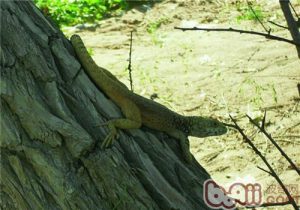
Xinjiang Rock Agama
The Xinjiang rock agama (Laudakia stoliczkana) is a color-changing lizard native to Xinjiang, China, renowned for its remarkable ability to shift hue — its body lightens and its head and neck redden in sunlight, then darken again in shade.
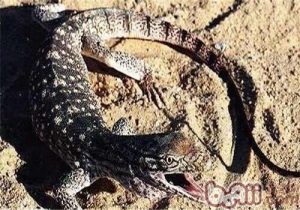
Desert Monitor
The Desert Monitor (Varanus griseus) is a large, fierce monitor of the Sahara and Asian deserts, reaching up to 140 cm and famed for its endurance and venom-resistant diet of snakes and scorpions. Difficult and dangerous to keep, it is not recommended for beginners.

Chinese Pit Viper
The Chinese Pit Viper (Gloydius shedaoensis), also called the Shedao pit viper, is a venomous, Chinese-endemic snake found on Liaoning's Snake Island and nearby Northeast China. A stout, silver-gray viper with a black brow stripe, it feeds mainly on birds and is listed on the IUCN Red List with roughly 10,000 individuals remaining.

Coastal Taipan
One of the most venomous snakes on Earth - fast, nervous, and deadly. Included for education only: this is not a species for private keepers without specialist venom infrastructure.

Black Tiger Snake
The Black Tiger Snake (Notechis scutatus) is one of Australia's ten most venomous snakes, delivering potent neurotoxins, coagulants, and myotoxins that rank among the world's deadliest venoms. Despite a generally placid nature that prefers escape, it flattens its head and neck like a cobra when threatened, and is common in southern swamps.