Search Results
51 results for “Seasonal Care”
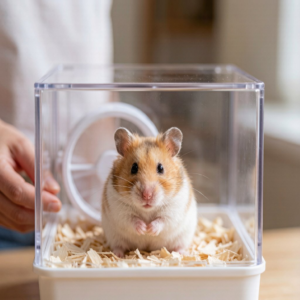
Essential Hamster Care: What Every Owner Should Know
Keeping a hamster healthy and extending its lifespan depends above all on proper husbandry. Before bringing a hamster home, owners should prepare a spacious cage with suitable bedding, a food bowl, a water bottle, and an exercise wheel, then keep the enclosure clean and disinfected on a regular schedule. A balanced diet built around a high-quality hamster mix, supplemented with small amounts of fruit and vegetables, and constant access to fresh, safe drinking water are equally important. This guide covers the fundamentals of scientific hamster care: building a comfortable habitat, providing nutritious food and clean water, maintaining a tidy living space, encouraging daily exercise, reducing stress, and managing temperature through the seasons. With the right setup and routine, even first-time owners can help their pet thrive.
A Science-Based Cat Care Guide by Life Stage
Care changes with age. Milk kittens (0–2 months, 100–700 g) stay with mom, start socializing at 3 weeks, and get their first vaccine. Juveniles (3 months–1.5 years, 1–5.5 kg) need socialization, vaccines, deworming, rich food, and spay/neuter. Adults (1.5–7 years) need ongoing prevention, diet control, seasonal care, and play. Seniors (~7 years) need high-nutrient digestible food, a stress-free home, and more frequent checkups. As a rule of thumb, a cat's first year equals a human's 16–18, then each year adds about four or five.

Canine Self-Biting (Acral Self-Trauma) Syndrome: Symptoms, Causes, and Care
Self-biting syndrome is a compulsive behavior in dogs that leads to biting of the tail, limbs, or body, causing wounds and infection. It stems from parasites, nutritional gaps, allergies, or anxiety, and requires both behavior and medical management.

A Winter Care Guide to Keeping Your Dog Warm
Winter warmth is the top concern for dog owners, yet many fall into traps. Meet higher protein needs, keep water and probiotics up, and use rugs, proper clothing for short-coated breeds, and safe sunlight to stay warm.

What to Do When Your Pet Catches a Cold During Seasonal Change
Seasonal shifts from autumn to winter bring big temperature swings that make pets prone to colds. Watch for lethargy, sneezing, and withdrawal, keep your dog warm and fed with warm (not cold) food, and see a vet if it worsens.

Guangxi stripe-necked turtle
The Guangxi stripe-necked turtle is a rare, beautifully marked freshwater turtle endemic to Guangxi, China, long suspected—though never confirmed—to be a natural hybrid. In captivity it is an active, omnivorous species that enjoys warm water and is relatively easy for keepers to maintain.

Philippen’s Stripe-necked Turtle
Philippen's Stripe-necked Turtle (Ocadia philippeni) is a large striped-neck turtle endemic to Hainan, China, resembling the Chinese stripe-necked turtle but with a larger carapace. Sensitive to temperature swings, it is omnivorous and fairly easy to keep, though wild individuals are scarce and often mislabeled as the Chinese stripe-necked turtle.
Cat and Dog Tear Stains: Understanding the Causes and Managing Them at Home
Tear stains are a common frustration for owners of flat-faced breeds and many other cats and dogs. They are rarely a single mystery illness; instead they usually trace back to blocked tear ducts, ear problems, allergies, or diet. The right fix depends entirely on the underlying cause. This guide walks through the main reasons pets develop reddish-brown staining, what each pattern looks like, and the at-home steps—gentle cleaning, ear checks, allergy control, and diet tweaks—that keep stains from returning. Knowing the cause is the first step to clearer, healthier eyes.

What Are the Risks of Shaving Your Pet?
Shaving a pet can weaken its temperature control, raise the chance of skin allergy or other skin problems, lower coat quality, and affect its mood. Weigh the pros and cons before shaving, and if it is not necessary, it is best not to shave. If you must, use the right tools and method to avoid skin injury.
Can Cat Flu Leave Lasting Effects After Recovery?
Feline rhinotracheitis (cat flu), caused by feline herpesvirus FHV-1, cannot be cured—the virus hides for life in the trigeminal ganglion and can reactivate whenever the cat is stressed, the season changes, or immunity dips. Most cats recover and live normally, but some are left with mild, manageable effects: a sensitive nose that drips in cold or dusty air, heavier tear staining from narrowed tear ducts, or—in high-risk cases—repeated flare-ups that can progress to chronic bronchitis or pneumonia. Good care (warm stable surroundings, humidity control, stress avoidance, balanced nutrition with lysine and vitamins, and regular vaccines) keeps recurrence rare. This article explains the sequelae, why only some cats get them, and how to minimize repeat episodes.