Search Results
308 results for “Rhinotracheitis”
What disease is FHV in cats?
FHV stands for feline herpesvirus — the pathogen of cat flu (feline rhinotracheitis). Many cats carry it without symptoms; it flares when immunity drops and is highly contagious.

Can Cat Flu Leave Lasting Effects After Recovery?
Feline rhinotracheitis (cat flu), caused by feline herpesvirus FHV-1, cannot be cured—the virus hides for life in the trigeminal ganglion and can reactivate whenever the cat is stressed, the season changes, or immunity dips. Most cats recover and live normally, but some are left with mild, manageable effects: a sensitive nose that drips in cold or dusty air, heavier tear staining from narrowed tear ducts, or—in high-risk cases—repeated flare-ups that can progress to chronic bronchitis or pneumonia. Good care (warm stable surroundings, humidity control, stress avoidance, balanced nutrition with lysine and vitamins, and regular vaccines) keeps recurrence rare. This article explains the sequelae, why only some cats get them, and how to minimize repeat episodes.

What Causes Cat Sinusitis (and How to Prevent It)
Feline sinusitis is inflammation of the nasal passages and sinuses, usually from bacterial, viral, or fungal infection, and sometimes as a complication of dental disease or upper respiratory infection. Young and old cats are most at risk. Prevention means a clean, well-ventilated home; regular dental checks; a balanced, immunity-boosting diet; avoiding sick animals; and routine vet visits. See a vet if your cat sneezes often, has constant nasal discharge, seems congested, or loses appetite.

What Diseases Does the FVRCP Cat Vaccine Prevent?
The FVRCP vaccine, commonly called the cat triple vaccine, protects against three contagious feline diseases: feline viral rhinotracheitis (FVR), calicivirus (FCV), and panleukopenia (FPV, or feline distemper). It greatly lowers infection risk but is not a full guarantee. Kittens can start at eight weeks, need two to three shots three to four weeks apart, and then an annual booster. Sick or pregnant cats should not be vaccinated.
Why Does My Cat Have Uneven Eye Size?
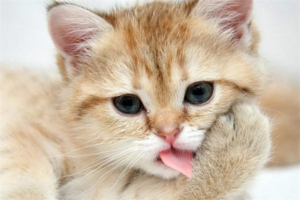
A cat with one eye larger than the other is common and can be genetic, but if it appears later it usually points to irritation, inflammation, feline herpes, injury, or heat. The right response depends on the cause, so judge by the situation. If a foreign object is the culprit, gently clearing it often restores the eye quickly. Eyelid inversion may need surgery, so see a veterinarian. Other causes include eye disease such as conjunctivitis or keratitis, feline rhinotracheitis with discharge and sneezing, trauma, and diet-related heat that responds to lighter food and more water.

Cat Vaccinations
Cats routinely get the FVRCP (feline distemper) combo plus a rabies shot. FVRCP covers three common, high-mortality, hard-to-treat viruses: panleukopenia, rhinotracheitis (herpes), and coronavirus (more mouth signs than herpes). Rabies is for prevention; indoor-only cats rarely need it in China, but worried owners can give it once adult. Schedule: healthy kittens start at 8 weeks, usually three shots 4 weeks apart; adults get two FVRCP shots 3–4 weeks apart; after that, an antibody test every 3 years can spare unnecessary shots. Notes: a cat on ringworm medication is weak—wait; keep the same brand for the first series, different brands OK for boosters; inactivated vaccines are fine in pregnancy, modified-live are not; confirm immunity with a titer test.

Which Vaccines Does Your Own Cat Need?
Even indoor cats need the core FVRCP vaccine—owners, supplies, and pet-store visits can carry viruses home. Core shots cover panleukopenia (distemper), calicivirus, and herpes (rhinotracheitis); the first dose is never skippable. Non-core vaccines (FeLV, FIV, FIP, chlamydia, Bordetella, rabies) depend on risk. Follow AAFP siting: FVRCP right front leg, FeLV left front, rabies right hind. First immunity is two shots a month apart, then a booster about a year later; many vets now booster every three years, not annually.

Dealing with Cat Tear Stains
Tear overflow (epiphora) happens when tears overproduce or the nasolacrimal duct blocks, spilling onto the fur. The reddish-brown stain comes from porphyrin—an iron waste in tears that oxidizes in air and sunlight. Common causes: too much salt (human food, salty kibble), 'heat', ear infections that stimulate tearing, duct blockage, entropion (inward lashes), dacryoadenitis, and feline herpes (tears plus nasal discharge—watch unvaccinated cats). Genetics play a role too. Cut salty food and see a vet to find the true cause.

Can a Cat Die from a Cold?
A cat's cold is usually not fatal if it stays mild, but ignoring it—letting a secondary virus take hold or failing to care during an outbreak—can indeed be deadly. Viral and bacterial colds are the dangerous ones; feline herpesvirus (cat flu, or rhinotracheitis) is the common viral form, and stray cats left untreated can die, while house cats should see a vet for targeted treatment. Later signs include thick nasal discharge, weeping or cloudy eyes, conjunctivitis, constant sneezing and cough, lost appetite, and low spirits. Prevention centers on vaccination against herpesvirus (though vaccines aren't 100% effective) plus disinfecting the environment, since the virus survives about 24 hours. Keep a sick cat warm—the virus replicates better at low temperatures.

What Every Pet Owner Should Know About Vaccinations
Vaccines are a core part of protecting your dog or cat. A vaccine is a weakened virus that trains the immune system to fight real infections, guarding against deadly diseases such as distemper, parvovirus, adenovirus, rabies, feline panleukopenia, calicivirus, and rhinotracheitis. Puppies can be vaccinated from 45 days old and kittens from 63 days, after weaning and a short settling-in period. Even with proper vaccines, immunity can fail due to maternal antibodies, immunosuppression, stress, or infection during the incubation window—so follow your vet's timing.