Search Results
308 results for “Rhinotracheitis”

Is Feline Rhinotracheitis (Cat Flu) Serious?
Cat flu (feline herpes/calicivirus) is mild in early stages — good food, warmth, and cleaning clear it — but late-stage signs like pus, eye cloudiness, and appetite loss need medication. Catch it early and most cats recover well at home.

Cat Rhinotracheitis and Amoxicillin: What to Use Instead
Feline rhinotracheitis is usually viral with mixed bacteria, and amoxicillin does not cover the chlamydia and Bordetella often involved — so five days of it may do little. Reach for doxycycline or azithromycin only once real symptoms (yellow-green discharge, red swollen eyes) appear, and dose strictly under veterinary guidance.

Disinfecting Your Home During Cat Rhinotracheitis
In a multi-cat home, one case of rhinotracheitis can spread through shared bowls, bedding, and even owner shoes. The herpesvirus survives about 24 hours and calicivirus up to 28 days, so disinfect with bleach, a potassium-peroxymonosulfate product, or 75% ethanol — after cleaning the surface first.

How to Treat Feline Rhinotracheitis (Cat ‘Snuffles’)
Feline rhinotracheitis is essentially a cat upper-respiratory infection: it starts with watery eye and nose discharge and, if the virus spreads, progresses to thick pus, swollen eyes, poor appetite, and labored breathing, sometimes ending in pneumonia. Treatment works best in stages — supportive care early, nebulization and antivirals mid-way, and antibiotics only if it worsens.

How Long Does Cat Rhinotracheitis Take to Heal?
Recovery time depends on the cat's immunity and how far the infection has advanced — mild cases clear in days, moderate ones take weeks to a couple of months, and severe cases run past a month. Because the virus stays for life, symptoms can return under stress, so vaccinate and use preventive supplements after recovery.
Cat Rhinotracheitis: When Your Cat Stops Eating and Drinking
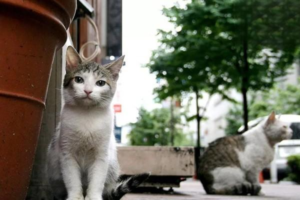
Feline rhinotracheitis (cat flu) blunts a cat's appetite in stages — reduced eating mid-illness, outright refusal once it's severe — because thick nasal discharge blocks scent and therefore the urge to eat. Clear the nose and offer strong-smelling foods like tuna or salmon; if the cat still won't eat, syringe-feeding under veterinary guidance may be needed.

What to Do When Feline Herpesvirus (Cat Rhinotracheitis) Causes a High Fever
Fever from feline herpesvirus (cat rhinotracheitis) keeps returning unless the underlying infection is controlled. Bring the temperature down fast — vet injection or pet-formulated flunixin meglumine at home — then fight the virus with lysine, eye drops for keratitis, and strong nutritional support.
Home Treatment for Feline Rhinotracheitis (Cat Flu)
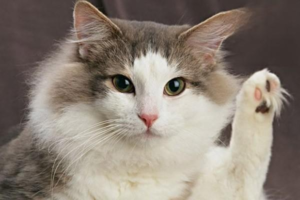
As pet care becomes scientific and vet medicine matures, treating cat flu is easier. With a scientific plan by symptoms, it heals fast. Here's its impact and treatment.

How Much Does Cat Rhinotracheitis Treatment Cost?
Rhinotracheitis is a contagious viral disease that often sweeps through groups of cats, and it can recur when a cat's immunity drops. Treatment cost depends on several factors.

Early Symptoms of Feline Rhinotracheitis (Cat Flu)
Many owners ignore a cat's cold, thinking it will pass, not realizing a neglected cold can turn into feline rhinotracheitis (cat flu). This article explains why a cold can become cat flu and what the early signs look like.