Search Results
308 results for “Rhinotracheitis”

How to Care for a Cat With Heavy Eye Discharge
A small amount of white discharge is normal for cats, but a sudden increase usually means something is wrong—internal heat, conjunctivitis, or cat flu. Daily cleaning helps, yet the real fix is finding the cause, and pus or severe signs call for a vet.
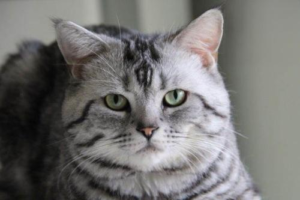
Why Are My Cat’s Tears Red?
Normal clear cat tears can oxidize in air to a rusty red—that is harmless. But red tears paired with swelling, mucus, or eyes glued shut signal conjunctivitis from bacterial or viral infection and need cleaning plus vet-recommended eye care.
Why Is My Cat Crying?
A "crying" cat usually means one of two things: an eye problem such as a foreign object, inverted lashes, or feline rhinotracheitis, or a cat in heat vocalizing like a baby. Eye signs need prompt care to avoid chronic damage, while heat behaviors are normal but worth recognizing.

What to Do When Your Cat’s Eyes Are Inflamed and Tearing
Red, tearing eyes are common in cats, usually from bacteria irritating the conjunctiva. The cause matters: simple conjunctivitis often settles in a few days, while viral infections like calicivirus or herpes need targeted care. Match the treatment to the underlying cause.
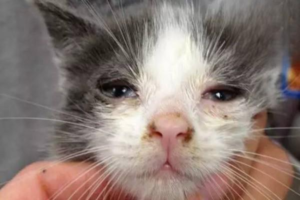
What to Do When Your Cat Has Cat Flu
Cat flu (feline rhinotracheitis) is often mistaken for a cold but is a viral upper-respiratory infection that can kill if ignored, especially in kittens. Antiviral and lysine support plus a clean, low-dust environment are the main care steps.

What to Do When a Kitten Has Heavy Eye Discharge and Can’t Open Its Eyes
Heavy eye discharge and eyes that won't open in a kitten usually point to neonatal conjunctivitis or feline rhinotracheitis (cat flu), though rich, greasy food can also be the cause. Each needs a different approach: gentle cleaning and antibiotic drops for infection, and prompt vet care plus antiviral support for cat flu. Act early to avoid worse disease.

Symptoms of Upper Respiratory Infection in Cats
Feline upper respiratory infection (URI) hits the nose and throat and shows as fever, sneezing, watery eyes, runny nose, red eyes, cough, hoarse voice, poor appetite, and sleepiness. Most cases are viral (herpes or calicivirus) and need antibiotics plus vet care; vaccination is the best prevention, especially for kittens.

Kitten With Pus in the Eyes, Can’t Open Them, and Sneezing
A kitten with pus-filled eyes, stuck-shut lids, and sneezing is often fighting feline herpesvirus (rhinotracheitis), not just a cold — and it can be fatal if ignored. Isolate and disinfect the space, give lysine and vet-prescribed antibiotics, and use eye drops for the conjunctivitis. Act quickly, since kittens have little immunity.

Can a Cat’s Respiratory Infection Heal on Its Own?
Most cat respiratory infections do not clear up on their own. Bacterial or simple colds may self-resolve thanks to the cat's immunity, but the common viral causes — herpes (rhinotracheitis) and calicivirus — require treatment. See a vet; at home, vet-prescribed antibiotics plus lysine help, and isolate the cat since these viruses spread fast.

What to Do When Your Cat Has Watery Eyes and Sneezes
Watery eyes and sneezing in cats are usually a simple cold, feline herpesvirus (rhinotracheitis), or allergic rhinitis — not always panleukopenia, as many owners fear. Matching the cause to the right care matters, and severe or low-energy cases need a veterinarian. Keep the environment dust-free and ask your vet about helpful supplements.