Search Results
308 results for “Rhinotracheitis”
Can feline rhinotracheitis (cat flu) be fatal?
Feline rhinotracheitis can be fatal; mortality reaches about 50% in low-immunity kittens and 20 to 30% in adults. It is a common infectious disease causing sneezing, runny nose, appetite loss, fever, lethargy, tearing, and eye redness. Untreated, it can cause mouth ulcers, dehydration, blindness, and death. Seek care promptly.
What are the early symptoms of feline rhinotracheitis (cat flu)?
Early signs include frequent sneezing, increased eye discharge, tearing, red conjunctiva, more nasal discharge, reduced appetite, fever, and lethargy. Treat early — advanced cases can be fatal.

What Causes Feline Rhinotracheitis (Cat Flu)?
Feline rhinotracheitis, commonly called cat flu, is one of the most frequent infectious diseases in cats. A cat can look healthy at the breeder yet sneeze, runny nose and weepy eyes days after coming home - because the culprit herpesvirus lies dormant in nerve cells and flares when environment or nutrition changes. Importantly, cat flu is not caused only by herpesvirus; calicivirus, chlamydia, mycoplasma and Bordetella are also agents. This article explains what cat flu is, its varied causes, and how to tell the agents apart by symptoms - always confirm with a vet.

How to Tell If Your Cat Has Feline Rhinotracheitis (Cat Flu)
Cat flu and a common cold look alike, which leaves many owners unsure whether their cat has feline rhinotracheitis — an infection caused by the feline herpesvirus. The reliable approach is twofold: watch the symptoms and confirm with a test. Early signs are subtle — sneezing, a runny nose, watery eyes, low appetite, no fever — while the active phase brings a high temperature near 40°C, persistent coughing and sneezing, and thick eye and nose discharge. A test strip or a PCR check at the clinic confirms it, but the result must be read alongside the symptoms.

Feline Infectious Rhinotracheitis (Feline Herpesvirus-1): Symptoms and Treatment
Feline infectious rhinotracheitis, or cat flu caused by feline herpesvirus-1, is a highly contagious upper-respiratory disease. It produces sneezing, eye and nose discharge, conjunctivitis, and fever, and can cause serious eye ulcers and abortion in pregnant cats.
How is feline rhinotracheitis (cat flu) in kittens treated?
Cat flu is dangerous in kittens and can be fatal untreated. Diagnose via symptoms plus PCR. Treat with interferon/antiviral proteins and amoxicillin or doxycycline to prevent bacterial infection; add lysine to curb viral replication and boost immunity; disinfect the environment thoroughly.
Is feline rhinotracheitis (cat flu) contagious?
Feline rhinotracheitis spreads cat-to-cat but not to people. Here is how and how to prevent it.

Early Signs of Cat Rhinotracheitis (Feline Herpesvirus)
Cat rhinotracheitis, caused by feline herpesvirus-1, is a highly contagious respiratory infection that spreads quickly between cats. Early signs look a lot like a cold — watery eyes, sneezing, nasal discharge, low energy, and poor appetite — but left untreated it can turn serious and even fatal. Isolating a sick cat and seeing a vet promptly are the most important first steps.
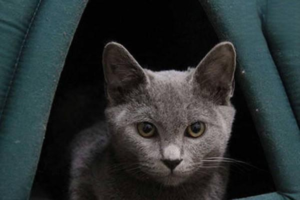
Diseases Cats Are Prone to in Winter
Winter weakens a cat's defenses, raising the risk of three problems: panleukopenia (distemper) — highly contagious, often fatal in kittens, prevented by vaccination; feline herpesvirus (cat flu) — carried silently, deadly when it flares in the cold; and chill-driven vomiting/diarrhea that can become gastroenteritis. Keep up vaccines and nutrition, stay warm, and limit winter baths to once every one to two months.

What If Your Cat’s Cold Won’t Clear Up After Treatment?
If a cat's cold lingers after shots and medicine, the cause is usually poor home care or the wrong treatment — and viruses like herpesvirus can flare again. Support recovery with isolation and disinfecting, warmth and humidity, face cleaning, probiotics, and plenty of water; if it worsens, rule out panleukopenia or rhinitis at a clinic.