Search Results
308 results for “Rhinotracheitis”

How Cat Health Relates to Nutrition
Pet cats are fully domesticated and far more delicate than stray cats, so nutrition — not just any kibble — is what keeps them well; spend on prevention through good food rather than on treatment. Favor natural options like raw meat, egg yolk, and goat's milk, use immune boosters such as transfer factor, and skip treat-pouches and gravy toppers that are mostly attractants.

Do Cats Cough?
Cats do cough, though far less often than people — and when they do it usually points to a problem. Causes range from stress and allergies to colds, bronchitis, hairballs, or feline asthma, and because a coughing fit looks a lot like gagging, a lowered head and stretched neck is the tell-tale posture. Pin down the cause before treating, and see a vet if it persists.

What to Do When a Hairless Cat Catches a Cold
Hairless cats have no fur to insulate them, so they catch chills easily—keep a sick cat warm, hydrated, and well-fed, and use heat-clearing or antiviral medication for cold symptoms. If eye discharge, red eyes, or fever appears, the cause may be feline rhinotracheitis and needs prompt veterinary care. Year-round, hairless cats need indoor living, clothing in winter, regular wiping in summer, and a calm, safe environment.
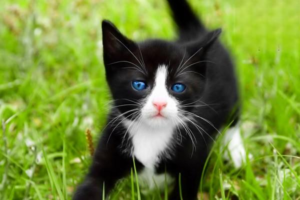
Kitten Cold: Symptoms and Care
Kitten colds move through three stages — early (dry warm nose, mild sneezes, normal appetite), middle (low energy, red eyes, fast breathing, thick discharge), and late (eye and nose crusting, mouth ulcers, fever) — and can mimic panleukopenia or rhinotracheitis, so don't delay. Warmth, nutrition, and vet-approved meds (never human pills) are the plan, with vaccination as prevention.

Medications for Treating a Cat’s Cold
Cat colds are usually treated with pet-specific antibiotics such as amoxicillin-clavulanate, doxycycline, or enrofloxacin, given strictly by weight. Keep a mildly affected cat warm and observe it at home, but see a vet if symptoms last beyond 3–5 days or a viral infection (calicivirus or herpesvirus) is suspected.
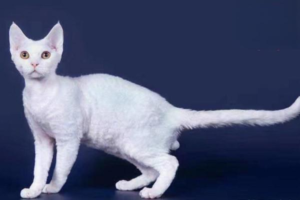
Cold Symptoms and Fever in Sphynx (Hairless) Cats
Sphynx (hairless) cats lack a fur coat and lose heat far more easily, so they catch colds more readily than other breeds. Mild cases with a low fever under 39.5°C can often recover at home with warmth and supportive care, but a cat that won't eat, grows weak, or fails to improve needs prompt veterinary attention.

How to Recognize the Symptoms of a Cat Cold
A cat cold brings red, weeping eyes, nasal congestion, drooling, sneezing, and fever up to 40°C — signs that overlap with feline rhinotracheitis and distemper. Mild cases improve with warmth, good nutrition, and pet-formulated antibiotics, while severe or dehydration cases need a vet.

Cat Vaccination Schedule and Precautions
Vaccination usually means the feline triple vaccine (FVRCP) and the rabies vaccine. The triple vaccine protects against three common, contagious feline viruses.

What You Should Know About Vaccinating Your Cat
Whether your cat is a newborn, a newly purchased kitten, or a rescued stray you just adopted, if it has not yet been vaccinated, the first step in responsible cat care is to get it vaccinated. Do not underestimate vaccines—though they may seem insignificant, they are crucial to protecting your cat's health. Vaccines effectively prevent infectious diseases and, to some extent, lighten the burden on owners. Everyone should take them seriously.

A New Owner’s Guide to Preparing for a Cat
Bringing a kitten home is joyful but troublesome early, so learn and prepare before serving your cat. Cats are sensitive; the author suggests a kitten over two months for beginners - one eating kibble and eliminating alone. Found/adopted newborns need experienced owners or pro advice.