Search Results
828 results for “Rabbit weight”

How to Increase Rabbit Wool Production
Better wool output from angora (wool) rabbits comes from breeding and husbandry: choose large, dense-coated stock, use crossbreeding, and neuter non-breeding bucks. Feed sulfur-rich diets (cystine, methionine, fish meal) and add trace elements like sulfur, zinc, and copper to lift both yield and fleece quality.
Signs of a Buck Rabbit in Heat
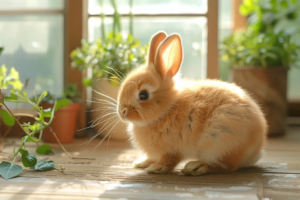
A buck in heat turns from calm to irritable and aggressive: poor appetite, restless stomping, urine spraying, and mounting — especially with a doe, and fights with other bucks in heat. Frequent heat without a mate can cause prostate disease. If you will not breed, neuter at a vet (never during heat); if you will, add a doe, though two rabbits mean more work.

Key Points for Rabbit Care in October
October brings big day-night temperature swings and the molting period, raising disease risk, so the focus is protecting pregnant does through each pregnancy stage and preparing the kindling box, storing dried forage, and preventing contagious disease with vaccination, stable warmth, and weekly disinfection.

Feeding Management for Rabbits by Life Stage
Rabbit feeding changes by stage: kits need colostrum within 10 hours and a warm dry box at 28-31°C, pellets start at 16-22 days, twice-daily junior formula at 40 days, and grass alongside feed at 60-90 days. Keep housing clean and dry and prevent coccidiosis, overeating, and diarrhea.

Productive Lifespan of Breeding Rabbits
A breeding rabbit's best years are the first one to two, with productivity then falling 15 to 20 percent a year, so renew stock every 2 to 3 years. Give breeders a clean, dry, well-ventilated hutch, breed in spring and autumn, cool them in summer, and keep them warm below 5°C.

6 Ways to Trigger Estrus in a Non-Cycling Doe Rabbit
A doe that will not cycle can be brought into estrus by patting the vulva, weaning her kits, shearing long fur, feeding carrots, or using hormones (FSH, hCG, PMSG) and vitamin E or epimedium. Success rates range from 75 to over 95 percent depending on the method.

What to Do When a Doe Rabbit Has Low Libido or No Estrus
A doe that will not cycle can be stimulated by a buck's mounting, vulva massage or iodine application, hormones (PMSG, hCG, diethylstilbestrol, FSH/LH), estrus powder with vitamin E, or better pre-mating nutrition. Find the underlying cause first, since the methods only work once the real problem is addressed.

Why Doe Rabbits Have Low Estrus and Conception Rates
Low doe estrus and conception come from poor feed quality or mineral gaps, wrong body condition (best about 80 percent fill), low buck semen quality from heat or drugs, too little light (does need 16 hours daily), and poor weather. Fixing the real cause beats repeated estrus powders.

Six Key Points for Breeding Rabbits in Summer
Summer breeding needs care: mate does below 25°C at cool times, keep bucks at about one mating a day, set first-mating age at 5 to 7 months by size, pair similar-aged adults, and use repeat or double mating to lift conception. Put the doe in the buck's cage, never the reverse.
False Pregnancy in Doe Rabbits
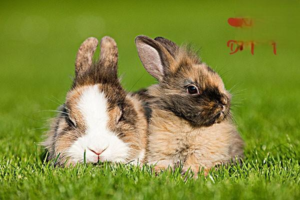
A false pregnancy makes a doe show nesting and swollen mammary signs without any kits, usually lasting 6–8 days and lowering your breeding herd's productivity. It is caused by an infertile or over-stimulating buck, uterine or vaginal inflammation, or the doe's own progesterone after ovulation. Good management, repeat or double mating, pre-mating checks, and timely re-mating keep it under control.