Search Results
828 results for “Rabbit weight”
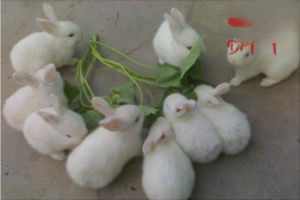
Common Mistakes in Feeding Rex Rabbits
Common rex-rabbit feeding mistakes include all-concentrate diets, whole grains instead of pellets, blanket antibiotic use, freezing vaccines, and unsafe mite treatment with soap plus trichlorfon. Each disrupts gut flora or destroys vaccine potency and can sicken or kill rabbits.

Key Measures for Fattening Meat Rabbits
Fattening meat rabbits well depends on site and housing, environment control (30–32°C for kits, 10–25°C adults, 60–65% humidity), hygiene, good breeds, regular deworming, clean feed, grouping, quiet management, and timely sale by 5 months.

How Cage Lighting Affects Rabbit Fattening
Meat rabbits gain weight faster in dim, quiet cages — they eat more evenly and digest better, adding 250–350 g over six months versus bright conditions. But lack of light lowers immunity, so keep cages clean and the diet nutritionally complete.

How to Fatten Meat Rabbits Quickly
Fast fattening of meat rabbits relies on careful kit management, supplemental feeding from 18 days, ample water, staged rations (40–60 g feed at 60 days, 90–120 g at 60–120 days), mixed-age grouping to boost intake ~15%, and disease prevention.

Rabbit-Raising Taboos to Avoid
Key rabbit-raising taboos: avoid high heat/humidity (keep 10–25°C, 60–65% RH), prioritize vaccination over treatment, buy breeding stock only from licensed farms, and limit to one or two breeds to protect farm economics.

Common Misconceptions in Rabbit Feeding Management
A key misconception is adding antibiotics/sulfa/garlicin to kits' feed 'to prevent illness' — these kill beneficial gut flora, so when stress breaks the microbiome, diarrhea and toxin buildup follow. Instead use probiotics and enzyme blends to build healthy flora.

Precautions in Raising Rabbits
Keep rabbits apart from chickens (disease cross-infection like coccidiosis, pasteurellosis), avoid asbestos roofing (fiber cough), don't yank ears when handling, don't feed only silage (acidosis), avoid oral antibiotics, and ensure adequate light for breeding.

How to Manage a Breeding Buck Rabbit
A breeding buck must be purebred, healthy, and produce high-quality semen, which requires complete nutrition, proper body condition (about 70 to 80 percent fill), and rational use, roughly a 1:8 to 10 buck-to-doe ratio with limited daily matings. House bucks singly, mate in the buck's cage, and check reproductive health before each pairing.

How to Raise Meat Rabbits Well
Raising meat rabbits well means timing breeding to the seasons (spring best, summer cooling, autumn nutrition during molt, winter warmth), mixing concentrate, roughage, and green feed or using complete pellets, and choosing fast-growing, disease-resistant breeds such as Belgian, New Zealand, or Chinese White rabbits.

How to Raise Young Rex Rabbits
Young rex rabbits (weaned to 90 days) are fragile and stress-prone, so survival depends on gradual feeding, grouping by size, daily exercise and sunlight, close health monitoring, clean dry housing, and culling weak stock. Feed twice daily to about 80 percent full.