Search Results
828 results for “Rabbit weight”
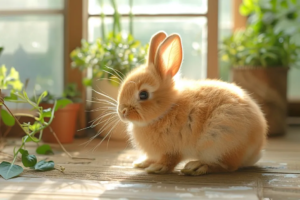
What Causes Malocclusion in Rabbits?
Malocclusion, or misaligned teeth, is a common rabbit dental disease with congenital and acquired forms; most cases are acquired from poor management. Rabbit teeth grow continuously, so they must wear them down by eating coarse fiber like grass. Without enough chewing, teeth overgrow and slip out of alignment. Overlong teeth can cut the lips, tongue, and cheeks, cause painful refusal to eat and mouth ulcers, and in severe cases the roots may pierce into the nasal cavity, eye socket, or jaw, forming abscesses. Prevent it with regular dental checks and plenty of hay for wear.
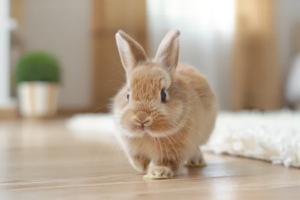
Common Urinary Tract Diseases in Rabbits
Rabbits often face urinary infections, urethral stones, and bladder stones, mostly from bacteria, low water intake, or too much calcium, while unspayed females are prone to uterine cancer. Infections show as incontinence and leaking; stones cause painful urination, blood, curling, teeth grinding, and can fully block the urethra. Bladder stones need fluid flushes and repair; urethral stones require surgery; uterine cancer needs tumor removal plus medication. Lower the risk by spaying early, keeping the habitat clean, ensuring ample water, and balancing the diet to avoid excess calcium.
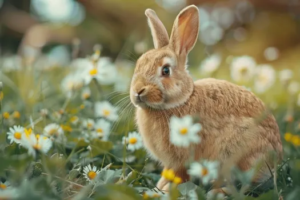
What Deficiency Causes Pica in Rabbits
Rabbit pica can stem from lacking trace elements such as zinc, iron, manganese, iodine, and selenium, plus calcium, phosphorus, and fiber. A varied, balanced diet of hays, pellets, fresh vegetables, and water covers these needs. Pica can also reflect missing chew outlets, boredom, too little exercise, or anxiety, so environment and mood matter too. If diet correction does not help, a vet check is wise.
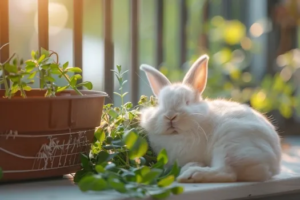
Why Does Your Rabbit Chew Everything
A rabbit that chews everything may be wearing down its constantly growing teeth, exercising jaw muscles, exploring by taste, relieving anxiety or boredom, or showing pica from a narrow diet lacking vitamins, minerals, or fiber. Offer safe chews like wooden toys, hay, and dried branches, enrich the environment, give exercise and interaction, keep it calm, and improve the diet. Clear harmful items such as detergent and disinfectant to prevent poisoning.
How to Stop Your Rabbit Rummaging Through the Trash
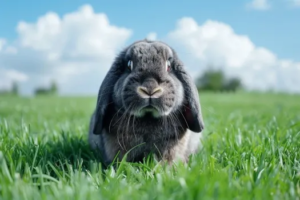
A rabbit that raids the trash can pick up bacteria and skin disease or eat spoiled food and suffer gut trouble. Move bins out of reach, give plenty of chew toys and activity, and correct the behavior with a sharp sound or gesture the moment it starts, repeating until it learns. Clear food scraps from bins, keep it fed and watered, and allow enough exercise. If it persists, an animal behavior specialist can help.
What Breeds of Mini Rabbits Are There
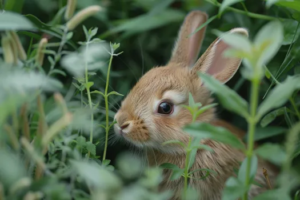
Mini rabbits are the smallest pet rabbits, with upright ears and an adult weight of only 1 to 2 kg and length near 30 cm. The group includes the Polish rabbit, the dwarf Hotot, and the dwarf rabbit (Dwarf), the last splitting into Dutch, French, and English dwarf varieties. Each has its own look and temperament, but all are beloved for their cute appearance and gentle nature. The dwarf Hotot is especially tiny and delicate as a baby.
What to Do When Your Rabbit Is a Picky Eater
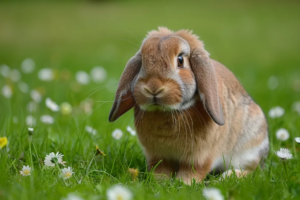
A picky rabbit may refuse food because of taste preference, a recent environment change, or dental trouble. Offer variety, fresh food, and a gradual switch to new items, and avoid overfeeding treats. Check teeth and mouth regularly, keep the diet balanced, and give enough space and exercise. Persistent pickiness with other symptoms warrants a veterinary check, since poor intake risks nutrient deficiency and weak growth.

White Rabbit Fish (Paradise Fish)
The white rabbit fish is the white colour form of the paradise fish (Macropodus opercularis) — a Chinese fighting-fish relative with a snow-white body, pinkish as it ages, and vermilion eyes. Pugnacious like a betta, it should not be mixed with other small fish; it is easy to keep at 24–28°C on a varied omnivorous diet.

Chinese White Rabbit
The Chinese White Rabbit is China's oldest domestic rabbit — small, compact, and remarkably hardy, with red eyes only in the white form. A meat-type landrace that also makes a tough pet, it needs a wire-free cage, a ball-valve bottle, and a simple diet of pellets, alfalfa, timothy, and boiled water. Watch for coccidiosis.

Angora Rabbit
The Angora Rabbit is the fluffy 'grass-mud rabbit' kept for its superfine wool (11 microns, finer than cashmere). Gentle but high-maintenance, it needs shearing every 3–4 months and constant hay to avoid deadly wool block (hairball impaction). Lifespan about 5–7 years.