Search Results
828 results for “Rabbit weight”

Can You Take a Rabbit for a Walk?
Rabbits can go for walks, and occasional outings benefit them: exercise builds strength and stamina, time outdoors eases stress and anxiety, and walking stimulates gut movement to improve appetite and digestion. Outings may even support a longer, healthier life. Keep it safe, though—choose a quiet area away from traffic and hazards, acclimate the rabbit gradually, avoid extreme heat or cold, and watch for signs of distress. Outdoor rabbits should also be dewormed regularly. Indoor rabbits generally do not need walks, but outdoor rabbits can enjoy moderate, supervised time outside.

How to Care for a Netherland Dwarf Rabbit
Netherland Dwarf rabbits are active and need both proper housing and a sensible diet to stay healthy. Provide a cage of roughly 80×60×70 cm with soft bedding, safe toys, and chew sticks, and keep the environment at a stable temperature with low humidity, gentle light, and minimal noise. Feed mainly fresh hay (timothy, mixed, or alfalfa) for dental and digestive health, supplement with quality pellets, a little fruit and vegetables, and constant clean water—but control portions, since these rabbits gain weight easily. Build trust slowly through hand-feeding and gentle handling, and check coat, skin, eyes, ears, and teeth regularly.
What to Do When Your Rabbit’s Ears Are Red, Itchy, and Scratching
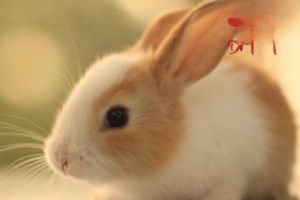
Red, itchy, constantly scratched ears usually mean ear mites or an ear infection in rabbits. Because the problem is contagious, isolate the sick rabbit and disinfect its belongings first. Soften and remove crusts with ear cleaner or saline, treat the inner ear with a rabbit-safe cleanser, and fit an Elizabethan collar so it can't keep scratching. Boost recovery with vitamins and keep the habitat dry and well-ventilated; see a vet if there's no improvement.

What to Do If Your Pet Rabbit Is Constipated
Constipation is common in pet rabbits and, when severe, leads to refusal to eat and listlessness, so it needs prompt attention. Causes include unbalanced feed with too little water, foreign material in the diet, lack of exercise, or secondary disease such as anal inflammation or gut atony. Signs are dropping appetite, weak gut sounds, small hard droppings, then no stool at all, sometimes with bloating. Treatment clears the gut with short fasting, water, abdominal massage, and, if needed, a sodium bicarbonate enema; prevention centers on greens, water, exercise, and a fixed feeding schedule.

Preventing and Treating Frostbite in Rabbits
Rabbits can be frostbitten or freeze to death in severe cold. Frostbite usually hits thin-skinned, low-fur areas at the body's extremities, and hairless breeds, hungry or tired rabbits, and young kits are most vulnerable. It is graded in three levels, from red, swollen skin to blisters and, at its worst, dead tissue and death. Prevent it with a warm, dry, well-bedded hut and sturdy animals; treat mild cases with oils or iodine, and severe cases with antibiotics and supportive care.

Caring for Rabbits in Summer
Summer's heat makes rabbits harder to keep healthy, without care they risk heatstroke, nutritional disease, and infection, so managing nutrition is key. Offer cooling feeds like bitter melon or watermelon rind to ease heat stress and lift appetite. Probiotic supplements help prevent digestive illness, calm heat stress, and cut hut odor and respiratory risk. Although heat lowers intake, don't cut energy too far; add fat to keep energy steady. Above all, always provide free access to fresh water.
How to Shear an Angora (Long-Haired) Rabbit
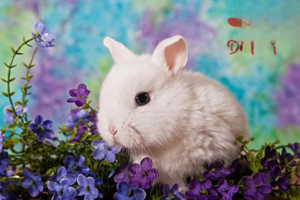
Angora rabbits are raised mainly for their wool, and learning to shear them correctly protects both fiber quality and the animal's health. A mature rabbit is typically sheared about four times a year, once per season, with the best grades harvested in March, June, September, and November. Shear close to the skin in a set order, back midline, sides, rump, neck, jowl, belly, legs, never a second pass over the same spot, and time the job for a breezy, clear day with warm bedding afterward.

Essential Tips for Raising Healthy Rabbits
Rabbits are sensitive to their environment, and getting temperature, humidity, feed variety, and nighttime feeding right is essential to keeping them healthy. Their thick coat and weak sweat glands make it hard to release heat, so rabbits tolerate cold better than heat; a stuffy, humid hutch quickly leads to illness. Aim for about 20-27C, keep bedding dry, offer a varied diet instead of a single feed, and provide plenty of hay at night when rabbits are most active. These basics help prevent disease and support steady growth.
What to Feed a Rabbit With Pica
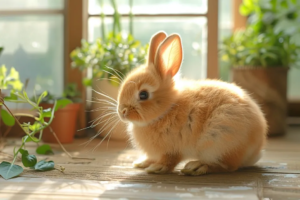
A rabbit with pica is often short on fibre, protein, vitamins or minerals, so the fix starts with diet. Always offer hay rich in fibre, add varied safe vegetables like carrot, broccoli, cabbage and apple for vitamins, and choose a quality pellet that supplies protein, calcium, phosphorus and traces for full nutrition. Fresh water must be available, and give chew items such as wooden toys, hay balls and chew sticks to satisfy the gnawing urge and turn interest away from wrong objects. If pica persists, a vet should rule out behavior or anxiety causes.
How to Prevent Pica in Rabbits
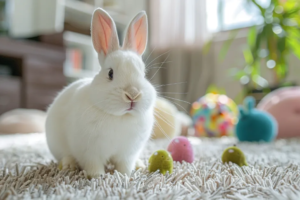
Pica is when a rabbit eats non-food items like fabric, plastic, paper or wires, often from unbalanced fiber, lack of chew material, stress, boredom or loneliness, or an underlying problem such as overgrown teeth or gut parasites. Prevent it with plenty of hay and fresh vegetables, clean bowls, safe chew toys, tunnels and climbing spots, and regular social contact and affection. If diarrhea, constipation or vomiting appears, see a vet, since digestive disease can drive the behavior.