Search Results
828 results for “Rabbit weight”

What Happens If a Rabbit Gets Caught in the Rain?
Rabbits tolerate neither cold nor heat, so rain easily makes them ill—soaked fur drops body temperature and invites colds and pneumonia, while dampness breeds skin infections like eczema and fungus, and chills can shut down digestion and cause diarrhea. Keep their home dry and sheltered, add warm bedding in wet weather, and watch for redness, itching, or appetite loss.
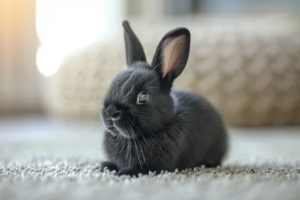
What Happens When a Rabbit Is Obese?
Obesity hurts a rabbit's health and happiness—it strains body function, raises the risk of heart disease and arthritis (often showing in old age), cuts mobility, and overloads the feet, inviting sore hocks. Causes are high-sugar/starch overfeeding, lack of space to move, and genetics. Prevent with high-fiber food, room to run, and weight checks.
Why Can’t Rabbits Be Bathed?
Rabbits shouldn't be bathed: their skin is only 2–3 mm thick and very sensitive, so water can scald and shampoos irritate it, while frequent washing strips protective oils and lowers skin immunity. They self-groom with barbed tongues, prefer dry air, have fragile airways that catch colds, and fear water—so bathing stresses them. Respect their biology and keep their space clean instead.

Can a Rabbit Recover from Heatstroke on Its Own?
Rabbits have some self-recovery ability, so mild heatstroke may pass on its own, but severe cases rarely do and can be fatal, so never rely on it—act fast. Signs include high temperature, rapid breathing, and fast heartbeat; move the rabbit to shade, cool the ears and head with a damp cloth, and replace fluids and electrolytes. Prevention means ventilation, lighter summer feeding, lower density, and electrolytes in the water.

What to Do When Your Rabbit Keeps Chewing the Cage?
Rabbits chew cages for many reasons—boredom, teething, hunger, poor nutrition, discomfort, cage material, or hormones. They need room to move, and a small or bare cage breeds boredom and restlessness. Giving chew toys, regular food, balanced nutrition, space, and separating rabbits in heat stops the habit.
Why Won’t My Rabbit Eat Hay?
A rabbit's refusal of hay can trace to the hay's freshness, variety, or quality, as well as the rabbit's age and health. Stale, smelly, or single-type hay may be rejected, so keep the diet varied and the hay high-quality. If refusal persists, watch for an underlying health problem and consult a vet.

What to Do If Your Rabbit Has Fleas
If your rabbit has fleas, isolate it first and disinfect its environment to kill fleas there. Then treat the rabbit with a cat-safe topical flea product (few rabbit-specific ones exist), watching the dose to avoid poisoning, and use an Elizabethan collar. Keep the habitat clean and check the coat regularly to prevent reinfestation.
What happens if a rabbit is not spayed or neutered?
An unneutered rabbit is often in heat: males frequently spray urine and are more aggressive, females carry grass and pull fur. Unspayed rabbits are restless and heat hurts appetite, so they do not gain weight easily. Spaying females prevents uterine and mammary tumors and extends life. Without it, old age may bring reproductive diseases that shorten life.
When is a baby rabbit weaned?
Baby rabbits are usually weaned after 25 days, depending on condition. They must weigh over 500 g to wean; if 25 days old but underweight, keep nursing until 500 g. After weaning manage the diet and avoid hard-to-digest foods.

Are Polish Rabbits Easy to Care For?
Polish rabbits are gentle, adaptable, and relatively low-maintenance. They need quality hay, fresh vegetables, a warm and dry enclosure with room to move, and regular cleaning to stay healthy.