Search Results
828 results for “Rabbit weight”

How to Choose the Right Rabbit Cage
Pick a rabbit cage that is roomy (at least about 3 m² of floor for an adult, tall enough to stand on hind legs), with a solid plastic or wood base rather than a wire mesh floor that causes sore hocks. Wood is safe to chew but harbors bacteria; for metal cages check the paint is non-toxic with no sharp wires.

What Should You Feed a Baby Rabbit?
A baby rabbit's staple should be alfalfa hay, the most nutritious hay, with a little timothy added later to ease the switch to adult food. Feed a junior pellet formula for balanced nutrition, and always offer cooled boiled water — never tap water, which can carry parasites and chlorine that upset a young rabbit's gut.
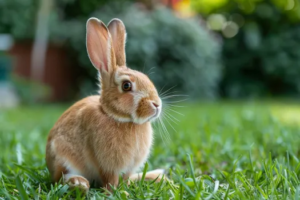
Do Rabbits Have Periods? What Blood From the Genitals Means
Rabbits do not menstruate — they are induced ovulators that release eggs only after mating — so any genital bleeding is abnormal. It may be true hematuria (cystitis, kidney or reproductive disease) or simply red plant pigment in the urine; check for a metallic smell and see a vet if in doubt.
How long does it take to raise rabbits to market size?
Rabbits generally reach market size around 5 months, varying by breed. Belgian-New Zealand crosses are ready at 2.5 to 3 months and 4 to 6 jin; rex rabbits at 4 to 5 months; domestic and meat rabbits at about 4 months. Feed in small frequent meals.
How to know if a rabbit is pregnant?
Pregnant rabbits show larger abdomen, increased appetite, swollen nipples, weight gain, less activity, and careful movement. After 2 weeks a little milk can be expressed; at about 3 weeks fetal movement is felt. If unsure, get a vet B-ultrasound or X-ray and check fetal development. After confirming, add nutrition to prevent low milk or postpartum paralysis.

Why Does My Rabbit Keep Squinting?
Squinting can be normal - a relaxed, comfortable rabbit may squint contentedly, and in bright light it squints to protect its eyes. But long squinting can also mean a foreign object or eye disease; check the eye, and remove any debris. If you see redness or discharge, see a vet.

What Are the Signs of an Unhappy Rabbit?
An unhappy rabbit may show reduced appetite, destructive behavior, less activity, and more aggression. Causes include too little food or being ignored - a hungry or neglected rabbit gets upset. Respond to the cause to ease its negative mood.

Which Fruits and Vegetables Rabbits Should Not Eat
Rabbits should avoid potatoes, bok choy, eggplant, corn, peanuts, grapes, pungent vegetables, and acidic fruit like citrus, lemon, and orange. Potatoes are hard to digest and burden the body; sprouted potatoes can poison. Bok choy and eggplant hold alkaloids that cause diarrhea and poisoning. Know your rabbit's food taboos for a healthy diet.

What Is a Rabbit’s Normal Breathing Rate?
A rabbit's normal breathing rate is 30-40 breaths per minute; young rabbits breathe faster at 40-60. Heart rate tracks body size, so smaller rabbits have faster hearts. Exercise or stress raises the rate, helping deliver oxygen. But if a calm rabbit keeps panting, it likely signals a respiratory or heart problem, so see a vet.

Is It Okay to Keep a Rabbit Caged All the Time?
Keeping a rabbit in a cage permanently is not recommended. Rabbits are active animals that love to run and jump, and constant confinement limits their natural behavior. Long-term caging can lead to weakened physique, bone deformity, and muscle loss, while the lack of social contact may cause loneliness and stress. To keep a rabbit healthy and happy, provide a roomy enclosure with good ventilation and light, plus a safe exercise area where it can move freely each day. Add comfortable bedding, fresh water, and chew toys, and clean the cage regularly to prevent dampness and disease. In short, rabbits need space and daily out-of-cage time to thrive.