Search Results
828 results for “Rabbit weight”

Why Is My Rabbit’s Tooth Loose?
A rabbit's loose tooth usually points to diet (food too hard), a vitamin C deficiency, injury, or dental disease such as pulpitis. Fix it by balancing the diet around hay, offering safe chew toys, treating injuries, and scheduling regular dental checks—and see a vet if the cause is unclear.

How to Help Your Rabbit Live Longer
A longer rabbit life comes from a dry, calm, 15–25°C environment, a balanced diet of hay, pellets, and limited fresh produce, regular parasite control, daily exercise, and gentle handling. Avoid frequent baths, tap water, and too much watery food, which can cause stress or diarrhea.

Why Does a Rabbit Keep Making ‘Puff Puff’ Sounds
A rabbit's 'puff puff' sound is usually sneezing or a mild breathing noise from excitement. Causes include allergies (dust, pollen, cleaners, food), respiratory infection (with discharge, cough, appetite loss), poor air quality, or a nasal foreign body like a hair. Clean the environment and see a vet if it persists with other symptoms.

What to Do If Bitten by a Rabbit
For a pet rabbit bite, clean the wound thoroughly with running water and soap for at least 15 minutes, disinfect with povidone-iodine, and apply antibiotic ointment. Rabies shots are generally unnecessary for indoor rabbits, but seek stitches or a tetanus shot for deep or heavily bleeding wounds.

Simple Treatments for Rabbit Stomatitis (Mouth Inflammation)
Rabbit stomatitis—from bacteria, poor nutrition, or overgrown teeth—shows as mouth ulcers, drooling, and appetite loss, and can be fatal if untreated. Rinse with a pet oral cleaner or saline, use a mouth spray or iodine glycerin on ulcers, soften the diet, add vitamins B and C, and see a vet for antibiotics or a tooth trim.

When Should a Rabbit Start Chewing (Teeth Filing)?
Rabbits generally need to start chewing around 2-3 months old, once their teeth are fully grown; without it, the front teeth keep growing and can cause chewing trouble or even eating problems. Overgrown teeth can pierce the gums and lead to infection. Offer safe chew toys or untreated natural wood (apple twigs, willow, corn cob), and have a vet trim them if they get too long.

What Kind of Rabbit Water Bottle Is Best?
Three common rabbit bottles—ball-valve, push-pin, and fountain—each trade ease of drinking against leaking, noise, and hygiene. Ball types suit most rabbits but drip and click; push-pin types are quiet and leak-free but some rabbits never learn them; fountain types protect the neck but trap debris. Pick by your rabbit's habit and your cage setup.

How Many Times a Day Should You Feed a Rabbit?
Most adult rabbits do well on two meals a day, while growing juveniles need three to four smaller feedings; seniors or rabbits with health issues may need adjusted schedules per a vet. Base the diet on unlimited hay, a measured amount of pellets, and limited fresh vegetables, and keep portions modest to avoid obesity and gut trouble. Watch appetite and weight and adjust as needed.
Can a Rabbit Live on Grass Alone, Without Pellets?
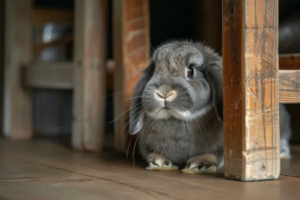
Rabbits are herbivores, but hay alone isn't advised — a single grass can't meet all needs and leads to weight loss, weak immunity, and skin issues. Aim for 70–80% hay (fiber + teeth wear), 5–10% pellets for balanced nutrition, and the rest fresh vegetables with a tiny bit of fruit.
How to Prevent Rabbit Hemorrhagic Disease (Rabbit Fever)
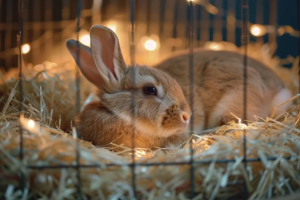
Preventing rabbit hemorrhagic disease relies on four pillars: management, vaccination, cross-infection control, and emergency response. Strict sanitation, regular single-strain vaccination, quarantining new rabbits, and banning visitors and stock from infected areas sharply cut outbreak and death rates.