Search Results
828 results for “Rabbit weight”
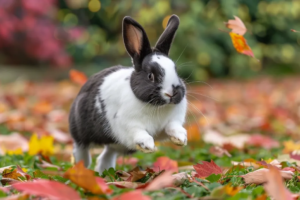
3 Essential Skills Every Rabbit Owner Should Know
Three rabbit-keeping skills pay off: pick the animal up by the scruff with hindquarter support (never the ears — that harms hearing and heat loss), read heat signs (reduced appetite, stamping, and a pink→red→purple vulva, with red meaning peak fertility), and give injections — mostly subcutaneous at the neck, intramuscular in the hindquarters, or intravenous in the ear. Hesitation with shots delays treatment.

Understanding Normal Rabbit Behaviors
Knowing a rabbit's normal behaviors helps breeders spot problems early and respond in time. Key patterns include feeding and drinking, nursing, cecotrophe (soft stool) eating, and territorial marking. Recognizing what is typical versus abnormal is essential to rabbit health and productive husbandry.

How to Assist Rabbit Mating and Pregnancy Checks
Successful rabbit breeding depends on timely, supervised mating—move the doe into the buck's cage at mid-estrus and return both rabbits afterward. Pregnancy is best confirmed by careful abdominal palpation 8–10 days post-mating. Good technique directly raises your herd's reproduction rate and profitability.
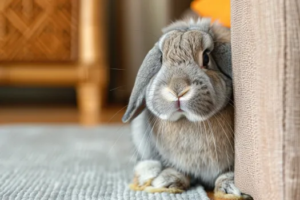
How to Improve a Rabbit’s Feed Conversion Rate
A better feed conversion rate lowers the cost of raising rabbits. Balance energy against other nutrients (intake falls as energy rises), apply digestible-amino-acid balancing, keep vitamins and trace elements in equilibrium to avoid deficiency disease, and use sound processing—right particle size, good pelleting, even mixing, and proper storage.

Causes of Rabbit Pica
Rabbit pica — the compulsive eating of non-food items such as fur, bedding, or newborn kits — usually arises from a mix of behavioral, environmental, nutritional, and health factors. Cage confinement, stress, poor husbandry, low fiber or mineral gaps, and skin parasites are the most common triggers. The fix starts with finding the root cause: a calm, clean enclosure, plenty of hay, added minerals, and prompt parasite treatment.
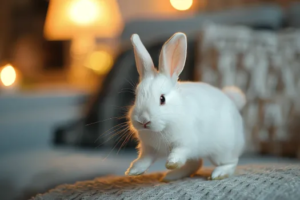
What to Do When a Rabbit Has a Poor Appetite
Rabbits normally eat well, so a drop in intake usually means something's wrong. Causes include a sudden feed change or low mood, and—more seriously—gut bloat, which shows as a swollen, painful, drum-tight belly. Mild cases respond to vegetable oil, garlic-vinegar, or radish juice; severe bloat needs a vet to draw off the gas.

Common Rabbit Vaccines and How to Use Them
Core rabbit vaccines—against viral hemorrhagic disease, myxomatosis, pasteurellosis, bordetellosis, clostridium, pseudotuberculosis, salmonellosis, and E. coli—are mostly inactivated and given as a 1 ml shot, with immunity in about a week and boosters every 6 months (myxomatosis annually). Store at 4–8°C, inject under the skin of the neck after disinfecting, and avoid vaccinating pregnant does unless essential.

What to Do About an Abscess on a Rabbit’s Eyelid
A healthy rabbit shouldn't develop an eyelid abscess, so treat it promptly before it worsens. Causes are irritants (dust, paper), poor diet, or fungal skin infection spreading to the eye. Flush irritants with saline, use rabbit eye drops for diet-related cases, and treat any underlying skin fungus at the same time.

Symptoms of Stomatitis in Rabbits
Rabbit stomatitis shows as red, swollen gums, mouth blisters, and mucosal ulcers that make chewing painful, so the rabbit drools, stops eating, and can waste away or dehydrate. Soften the diet, keep the mouth clean, and—above all—prevent it by avoiding a monotonous diet that lacks B vitamins.

How Do Male and Female Rabbits Act When in Heat?
Intact rabbits show clear, different heat signs by sex. Does get a dark-red, swollen vulva, rub their chins on objects, and may show false pregnancy; bucks circle, mount, and bite to hold. Knowing these signs helps you manage breeding and the mess that comes with it.