Search Results
828 results for “Rabbit weight”

The Necessity of Feeding Hay to Rabbits
Eating hay is necessary for rabbits. Even if the rabbit food the owner usually feeds is good, hay must still be provided. Many people wonder why hay is so important to rabbits. Below we tell you about the necessity of rabbits eating hay. Why must pet rabbits eat hay?
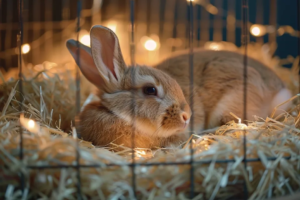
What Foods Can Rabbits Not Eat?
Raising rabbits is also a subject of study. Some people find it difficult to raise rabbits well, and the rabbits die easily, but this may also be because the rabbit ate some inedible food. A rabbit's staple food must be grass, and everything else must be fed with attention; even feeding fruits and vegetables has its own rules. Next, let's look at what foods rabbits cannot eat with us!

Warning: These Foods Are Toxic to Rabbits!
Frozen, fried, and cooked foods cannot be given to rabbits. A rabbit's diet should be mainly hay and rabbit pellets, supplemented with some fruits and vegetables. There are many foods that rabbits cannot eat, and eating them may cause a series of diseases. Today we tell you about the foods that cannot be fed to rabbits, hoping to help you ensure your rabbit's dietary safety.
Characteristics of Pododermatitis Onset in Rex Rabbits
Rex rabbit pododermatitis is a relatively common disease in rabbits and causes significant harm. Although it does not cause immediate death, it can cause great economic losses to rabbit farms. After rex rabbits develop pododermatitis, their appetite decreases and their body gradually becomes emaciated. The disease affects the breeding value of breeding rabbits and the fur quality of commercial rabbits, causing serious economic losses. Today we introduce the onset characteristics of rabbit pododermatitis.

How to Prevent Rabbit Foot Dermatitis
Prevent rabbit sore hocks with low humidity and good ventilation, a flat cage floor, strict hutch cleaning, whole-group mite control every 2–3 months, and routine foot checks when handling.

Treatment Methods for Rabbit Pododermatitis (Sore Hocks)
Rabbit pododermatitis (sore hocks) is quite common, so it is important for owners to learn how to treat it. It must be treated early, otherwise the impact and the time needed for a cure will be greater. Today we share some treatment methods for rabbit pododermatitis, hoping they help!

Why Rabbits Develop Foot Dermatitis
Rabbits lack paw pads, so their bare soles are easily damaged. Foot dermatitis forms from humidity, mites, rough cage floors, poor hygiene, and sparse foot fur—a clean, dry hutch avoids most cases.
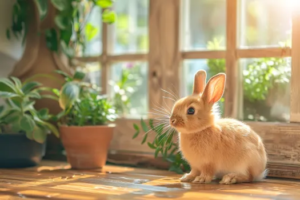
Factors That Influence Rabbit Foot Dermatitis
Rabbit foot dermatitis (sore hocks) is driven by genetics, body size, hutch dampness, and cage-floor construction. This article breaks down each risk factor and the clinical signs to watch for.
Rabbit Foot Dermatitis: Symptoms & Treatment
Rabbit sore hocks start as hair loss, crusting, and redness, then deep pus cavities if untreated—even sepsis. Treatment is daily cleaning with peroxide, deep medication, an E-collar, and consistent care.
Caring for a Rabbit With Foot Dermatitis
Beyond medication, rabbit sore hocks need cage fixes (smooth floor, dry and clean), adjunct anti-inflammatories, balanced vitamins, daily exercise, and the owner's patience for a stubborn, long-term condition.