Search Results
828 results for “Rabbit weight”

How to Breed Rex Rabbits
Breeding rex rabbits well means setting the first-mating age at 5 to 6 months (about 3 kg), mating in spring or late autumn, using repeated mating 8 hours apart to lift conception, feeding extra protein and vitamins before breeding, and limiting the buck to no more than two matings a day.
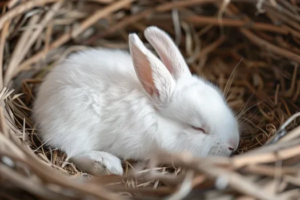
How to Care for and Manage Nursling Rabbits
Nursling (unweaned) rabbits are the hardest to raise because their bodily systems are immature and even slight chilling can be fatal. Key management steps include ensuring prompt colostrum intake, keeping the nest warm and rat-free, feeding on a set schedule, starting supplemental feed at 18 days, and weaning scientifically.

Seasonal Care Tips for Raising Rabbits
Weather strongly affects a rabbit's behavior and health, and harsh conditions can be dangerous. Good husbandry means adapting care by season—controlling moisture and preventing coccidiosis in spring, avoiding breeding and beating the heat in summer, boosting nutrition and guarding against respiratory illness in autumn, and keeping warm in winter.

Taboos to Avoid When Raising Rabbits on a Farm
Good rabbit husbandry means avoiding common mistakes: keep the hutch dry and quiet, control heat, vary the diet, feed measured amounts, transition feed gradually, and never serve spoiled feed or skip nighttime feeding and water. Following these basics lowers disease risk and keeps rabbits thriving.

How to Feed Rabbits Fresh Greens Properly
Fresh greens benefit rabbits—they help prevent disease, control body condition, and counter heat and humidity—but must follow three rules: feed little and often, pair with concentrated feed for energy, and serve fresh rather than cooked.

Eight Key Things to Know When Raising Rabbits
Rabbits are fragile and sensitive to change, so good husbandry means watching for warning signs—unusual sounds or smells, sudden temperature shifts, abrupt feed or environment changes—plus careful care for weanlings, new stock, and during outbreaks.

How to Assess a Rabbit’s Health
Check a rabbit's health daily with the "three checks and five looks": check food intake, water, and droppings, and look at spirit, appetite, face, movement, and coat. Early signs—poor eating, odd stools, dull eyes, or skin trouble—mean isolate and treat promptly.

Disease Prevention for Newly Weaned Rabbit Kits
Newly weaned kits face three big threats: coccidiosis (prevent with medication from supplementation through 3 months), diarrhea from enteritis/E. coli/Clostridium (prevent via strict feeding), and rabbit hemorrhagic disease (vaccinate—no cure, so boost all stock on outbreak). Good prevention raises survival.

How to Care for Unweaned Rabbit Kits
Unweaned kits are fragile—they need colostrum within 6 hours, a warm dry nest, balanced nursing, and gradual bedding changes, with supplementation from 18 days and weaning at about 35 days once they reach 1.2 lb. Careful nursing raises survival.

How to Care for Breeding Rabbits (Bucks and Does)
Breeding rabbits need tight management: bucks get exercise, a mating rhythm, and an 80% body condition; does need heat checks, timed mating, pregnancy confirmation, and clean nest care at kindling. Cull poor breeders and the sick to protect the litter rate.