Search Results
130 results for “Oxytetracycline”

Causes and Treatment of Diarrhea in Baby Rabbits
Kit diarrhea comes in food-based, mucous, and dysenteric forms, each needing a different treatment. This guide covers the causes, the right medications, and how to prevent the deadly Clostridium perfringens type A infection.

Treatment and Care for Psittacosis (Parrot Fever)
Psittacosis causes watery diarrhea, poor appetite, and lethargy in birds, and is risky for chicks. Adults may recover. Learn the medication and nursing care.

What to Do When a Parrot Has a Cold, and Which Medicine to Use
Parrots catch colds from temperature change or bacterial and viral infection. Use bird-specific medicine such as gentamicin or oxytetracycline, keep the bird warm, and prevent recurrence with good hygiene and a stable temperature.

What Cold Medicine Can You Give a Parrot With a Chill?
Parrots can catch chills from temperature drops, but owners often panic. Learn the cold symptoms and which medications — sulfa drugs, antibiotics, and nose care — help a parrot recover.

Preventing and Treating Rabbit Colibacillosis (E. coli)
Rabbit colibacillosis is an explosive, high-mortality intestinal disease, especially in 1–4 month kits. This guide covers symptoms, necropsy findings, diagnosis, prevention, and oxytetracycline/streptomycin treatment.

Non-Infectious Causes of Diarrhea in Rex Rabbits
Diarrhea in rex rabbits—especially kits—is common and dangerous. While vaccines and drugs now control infectious causes, non-infectious factors (fiber imbalance, stress, antibiotics, toxins) are often overlooked. This guide covers them.

What Medicine for Red Dog Eyes?
Red dog eyes have many causes—dry eye, conjunctivitis, hemorrhage, corneal injury, glaucoma—so treatment differs. See a vet to protect vision; never use human eye drops blindly.
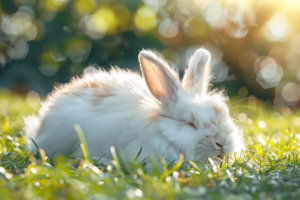
Infectious Stomatitis in Rabbits
Infectious stomatitis (also called 'salivation disease') is a contagious viral disease of rabbits, especially 1–3-month-old kits, often infecting a whole litter at once. It causes drooling, mouth blisters and ulcers, and can kill kits within a week without prompt treatment; isolation, topical antibiotics and good hygiene are key to control.
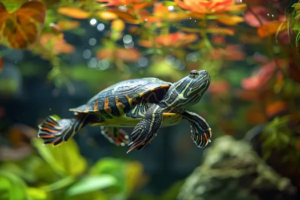
Common Reasons a Turtle Won’t Eat and How to Respond
Unpalatable food, unfamiliar surroundings, low water temperature, and gastroenteritis can all make a turtle stop eating. Turtles hibernate: appetite peaks at 24–28°C and drops as temperature falls; below 15°C they enter hibernation and stop eating. For aquatic and semi-aquatic turtles, water depth also matters—too shallow and they may refuse food; keep water at least covering the shell.

Common Goldfish Diseases and Their Prevention
Common goldfish diseases include white spot (ich), cloudy eye, saprolegniasis, enteritis, fin/tail rot, and dropsy (pinecone disease). Learn these to prevent and lower illness risk. Water quality is the main health factor—keep it clean with regular changes and cleared waste to avoid bacterial growth and infection. Keep temperature steady and oxygen sufficient.