Search Results
130 results for “Oxytetracycline”
What causes eye inflammation in cats?
Cat eye inflammation can come from scratches, feline herpesvirus, and more. Use an Elizabethan collar and see a vet; antibiotic ointments help scratches, while viral conjunctivitis needs antiviral treatment.

What to Do When Your Hamster Has Eye Inflammation
Hamster eye inflammation is usually conjunctivitis—redness, itching, and tearing, with sticky discharge in the corner of the eye and, in severe cases, poor appetite and low energy. It is treated with antibiotic eye drops containing lysozyme, oxytetracycline, or tylosin, used 2–5 times daily for 5–7 days after wiping away discharge with saline. Keep the cage clean and draft-free, clean the eyes daily, boost nutrition, and fit a cardboard e-collar if your hamster keeps scratching. If there's no improvement after a few days, see a vet.

Common Cat Eyelid Diseases and How They Are Treated
Cats are relatively less prone to eyelid problems than some other pets, but when an eyelid condition does appear it can affect both eye health and overall comfort. The eyelid is built from four layers (conjunctiva, tarsus, muscle, and skin) and carries the glands that keep the tear film healthy. Knowing the common disorders and how they are managed helps you spot trouble early.
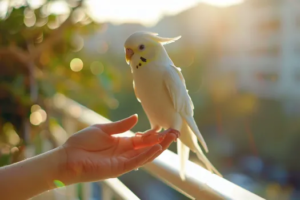
Why Your Budgerigar Has Recurring Diarrhea
Recurring diarrhea in budgerigars comes from poor diet, stress, parasite or bacterial infection, or chills. Long transport, fright, or a sudden move stresses the bird and upsetts its gut, usually easing as it settles; probiotics and calming help. Sudden feed changes, overeating, or spoiled food also trigger loose droppings. Parasites, bacteria, or a cold from low temperatures need a vet. A simple home mix of oxytetracycline powder and probiotics can settle mild cases.

Canine and Feline Eperythrozoonosis (Hemotrophic Mycoplasmosis): Symptoms, Transmission, and Treatment
Eperythrozoonosis, also called hemotrophic mycoplasmosis, is a tick- and flea-borne infectious disease of dogs and cats marked by anemia and jaundice. It is treated with tetracycline-class antibiotics and supportive care.

Feline Hemobartonellosis (Feline Infectious Anemia): Symptoms, Treatment, and Prevention
Feline hemobartonellosis, also called feline infectious anemia, is a rickettsial disease caused by Mycoplasma haemofelis, marked by anemia and splenomegaly.
What eye drops should I use for a dog with red, tearing eyes?
Redness and tearing are mainly from eye inflammation, so a pet-specific anti-inflammatory eye drop may help. Stop the drops and see a vet if symptoms persist, since inflammation can have different causes such as bacterial or viral infection. Bacterial cases often respond to drops containing lysozyme or oxytetracycline, but poor response means another cause needs identifying.
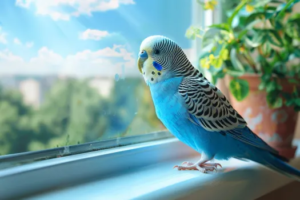
What to Do When Your Budgerigar Has an External Injury
Budgerigars commonly suffer minor scrapes, broken toes, or beak injuries in the cage. While small wounds often heal on their own, you should always disinfect the area to prevent infection; serious trauma such as a broken beak or leg can permanently affect the bird's ability to eat and move.
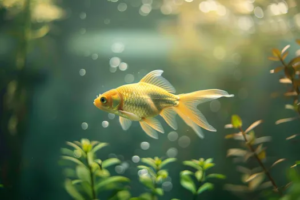
What to Do When Your Arowana Has Tail Rot
Arowana tail rot is usually caused by poor water quality, which these fish are highly sensitive to. Treat it by improving water quality, isolating the sick fish with aquarium salt, applying potassium permanganate to severe lesions, or giving antibiotic (oxytetracycline) baths for bacterial rot.

Why Do Blood Parrot Cichlids Cluster and Rest at the Bottom?
Blood parrot cichlids huddling motionless at the bottom may just be settling into a new home, or it can signal illness, low temperature, or poor water. Give newcomers quiet time, raise the temperature to 28–30°C if it's cold, and for enteritis do a full water change with oxytetracycline/gentamicin baths plus added vitamins.
- « Previous
- 1
- …
- 11
- 12
- 13