Search Results
130 results for “Oxytetracycline”
I bought smectite, oxytetracycline and gentamicin online; will they help? It is only two days in
Canine parvovirus needs antivirals and supportive care, plus fluids if it stops eating. Smectite helps diarrhea (halve dose for small dogs); gentamicin and oxytetracycline are antibiotics. Human gentamicin injectable should be halved or replaced with safer amoxicillin-clavulanate. Add interferon/parvovirus serum.
What happens if a dog eats too much oxytetracycline?
Oxytetracycline is a broad-spectrum antibiotic commonly used to treat bacterial diseases. If a dog eats too much of it, several problems may arise. First, it may disrupt the dog's intestinal flora, leading to digestive issues such as diarrhea, vomiting, abdominal pain, and loss of appetite. Second, if the dog ingests a large amount, it may cause toxicity, with signs such as dry mouth, fatigue, headache, dizziness, nausea, vomiting, and diarrhea. Finally, long-term or excessive use of oxytetracycline may damage the dog's liver, so the medication should be stopped promptly once the dog's disease symptoms disappear.
My dog has gastroenteritis; how much oxytetracycline should a 20-jin dog take per dose?
Oxytetracycline dosing is by weight, about 12.5 to 25 mg per kg, so 20 jin means about 125 to 250 mg. It is used for respiratory, intestinal, and eye infections, but not all diarrhea; see a vet, and avoid it in allergic, young, or pregnant dogs.
Is oxytetracycline good for dogs?
Oxytetracycline (a tetracycline antibiotic) helps bacterial enteritis and respiratory infection, but don't use it blindly — viral or parasitic causes need different treatment.
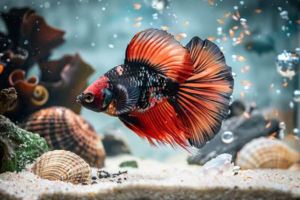
Why Arowana Scales Turn Black and How to Fix It
Blackening scales in arowana usually trace back to unstable water (temperature or quality swings), overfeeding loaches, or bacterial infection. Steady the environment, ease off the loach, or run a medicated bath — and use color-enhancing feeds to bring the sheen back.
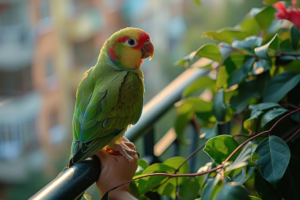
Treating Pinecone Disease (Dropsy) in Blood Parrot Cichlids
Pinecone disease, or dropsy, is a highly contagious bacterial illness in blood parrot cichlids with under a 50% cure rate and often fatal within days. Isolate the sick fish at once and treat with salt-and-baking-soda or antibiotic baths, adding medicated food for severe cases, while keeping water clean and temperature stable to prevent it.
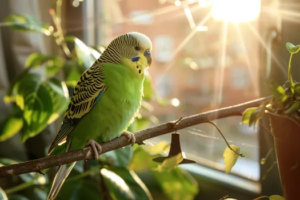
How to Treat Diarrhea in Parrots (and Which Medication to Use)
Diarrhea is as common in parrots as a cold is in people, and usually mild — but severe cases can be fatal. It is triggered by chilling, overeating, or spoiled and contaminated food, and is managed by warming the bird, switching to dry grains, and, for bacterial cases, a carefully dosed course of oxytetracycline.
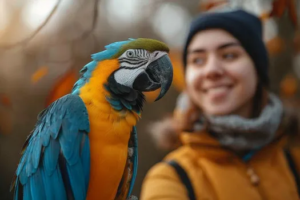
Best Ways to Treat Diarrhea in a Budgerigar
Diarrhea in budgerigars shows as watery, discolored droppings, a soiled vent, lethargy, and extra drinking — and can be fatal if ignored. Start with garlic water and warmth for a day or two, move to oxytetracycline if there's no improvement, and suspect chlamydia (psittacosis) when eye and nose discharge appear.

How to Treat Dog Pneumonia
Pneumonia treatment centers on antibiotics, cough and phlegm relief, and supportive care; severe cases need hospital equipment. Keep the air fresh, skip dry kibble for a warm meat broth, and keep the dog warm.

What to Give a Dog for Diarrhea (and What Works Fast)
Diarrhea treatment starts with identifying the cause from the stool: loose yellow stool usually means a chill, yellow-black stool with debris calls for a 24-hour fast, and black soy-sauce-like stool points to a sugary diet. Puppy diarrhea has six common triggers — from overfeeding to parvovirus — and the right fix is gut rest, fasting, and medication rather than blind dosing.