Search Results
1495 results for “Loss of appetite”
How does a dog get infected with coccidia?
Dogs catch coccidia by licking an infected dog's feces or contaminated food/water, or by picking up oocysts while playing in grass; the oocysts develop in the gut and multiply. Signs include soft stools, diarrhea, reduced appetite, low fever, weight loss, slow growth, anemia, and dehydration — a fecal exam and sulfadimethoxine treatment are needed.
What happens if a dog has intestinal worms?
Intestinal worms cause abdominal pain, soft stools, diarrhea, frequent vomiting, poor appetite, steady weight loss, malnutrition, anemia, and a rough, dull coat. With a heavy load you may see worms or segments in the stool. Deworm regularly — monthly for puppies under 1 year, every 2–3 months for adults — and avoid raw food.
What happens if a dog doesn’t eat salt?
A long-term lack of salt causes electrolyte imbalance in dogs — muscle weakness, stunted growth, weight loss, and poor appetite, and in severe cases pica (eating plaster, grass, or dirt). Salt is essential and is added to commercial food, but too much causes shedding, tear stains, high blood pressure, and even salt poisoning, so homemade diets need a small amount added.
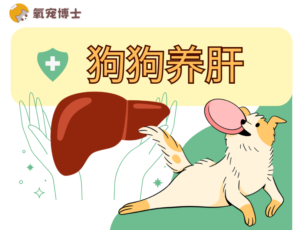
Foods That Support Your Dog’s Liver
The liver filters toxins, stores nutrients, and makes bile, yet it stays silent until heavily damaged—so daily support matters. Quality protein, cruciferous vegetables, and berries aid detoxification, while milk thistle, dandelion root, and omega-3s protect cells. Just as vital is what to skip: fatty foods, toxic items like chocolate, onion, and grapes, and human medicines that strain or poison the liver. Keep water flowing and weight healthy.
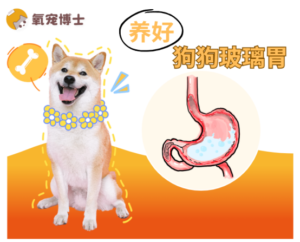
How to Care for a Dog with a Sensitive Stomach
A weak gut hurts more than digestion—it drags down nutrient uptake and immunity. Causes range from sudden diet changes and parasites to infection, chronic gut disease, and stress. The fix is a gentle, single-source diet on a fixed schedule, a careful transition to new food, light toppers like pumpkin or boiled chicken, and pet probiotics. Keep the belly warm and add gentle exercise; see a vet for persistent vomiting, blood, or lethargy.

Why Is Your Calm Dog Suddenly Barking So Much?
A dog that suddenly won't stop barking is communicating something. The cause may be physical pain, psychological stress like separation anxiety, or unmet needs for food, attention, or exercise. Rule out illness first—limping, vomiting, or appetite loss mean a vet visit—then ease anxiety with gradual alone-time training, a quiet safe corner, and reward-based calm. Patience beats punishment, which only makes it worse.
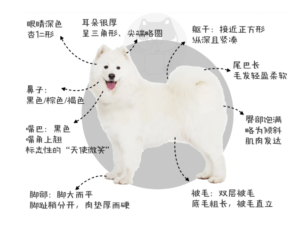
The Samoyed: A ‘Smiling Angel’—but Think Twice Before You Commit
The Samoyed's famous 'smile' is real, and so is its friendliness, trainability, and adaptability. But this breed sheds heavily, needs daily exercise, has a sensitive stomach, and shows its share of health issues—tear stains, dermatitis, heatstroke, obesity, and hip dysplasia. Before you fall for the looks, weigh the work it takes to keep one happy and healthy.

How Long Does a Cat Stay in Heat? A Complete Guide
A queen in heat usually cycles for 3–6 days, while a male stays reactive for 7–10 days, often triggered by nearby females. Cats are seasonal, repeat breeders driven by daylight, peaking in spring and autumn. If a cat stays in heat beyond three weeks with abnormal discharge, it may signal cysts or infection—time for a vet visit. Spaying remains the most reliable fix.

How to Ease Acid Reflux in Dogs
If your dog dry-heaves after meals or brings up white foam or yellow fluid with foul breath, it may not be simple stomach upset—it could be acid reflux, or GERD. The stomach's lower valve relaxes and lets acid creep up the esophagus, which can inflame and even ulcerate over time. Diet changes, vet-guided medication, and a few lifestyle tweaks usually bring real relief.

Why Is Your Dog’s Gum Pale? Don’t Ignore It—It Could Signal These Illnesses
A healthy dog's gums are pink and refill quickly after a light press. Pale or whitish gums often mean the body isn't getting enough oxygen—usually because of anemia or an underlying chronic disease. The causes range from nutritional and blood-loss anemia to kidney or liver problems and infections. Because pale gums can point to something serious, they deserve a prompt check rather than guessing at home.