Search Results
1495 results for “Loss of appetite”

What Is Stomatitis in Cats and What Are the Symptoms?
Feline stomatitis is inflammation of a cat's mouth, caused by various local irritants or systemic diseases, and may be localized or widespread, primary or secondary to another condition. It's an umbrella term covering glossitis, gingivitis, and mucosal inflammation. Signs include poor appetite, drooling, painful chewing, red swollen gums, and bad breath; severe cases show blisters and ulcers. The cause is unclear but likely immune-mediated. Treatment is either medical (chlorhexidine rinses plus antibiotics and corticosteroids under veterinary supervision) or, for stubborn cases, extraction of the premolars and molars — sometimes a full-mouth extraction.

Why Is Your Cat Suddenly Sleepy and Inactive?
A suddenly lethargic, sleepy cat may simply be reacting to weather or age, or it may be sick. If otherwise normal with no vomiting, diarrhea, or appetite loss, it's likely harmless. But fever, pregnancy, a respiratory infection, indigestion, or low calcium, tumors, stress, or a recent vaccination can all cause drowsiness. Measure temperature if it won't wake and eats poorly, keep a chilled cat warm, use a probiotic for gas, and see a vet for any long-term lethargy.

Cat Vomiting After Every Meal: What to Do
When a cat throws up everything it eats, the cause may be a gut blockage from a swallowed object or hairballs, organ disease in adults, or acute gastroenteritis from bad food, parasites, or infection. Get a vet check first, bloodwork, fecal, and imaging pinpoint the cause. If a clinic isn't possible immediately, fast 4-6 hours, then a vet-prescribed gut antibiotic and anti-emetic can ease pain and protect the gut lining; hairball paste and probiotics help if it's just hairballs or a partial blockage. Untreated, frequent vomiting leads to dehydration and worse.

What Injections Does a Cat with a Cold Need?
Never give a cat cold medicine or injections blindly. For anti-inflammatory or antibiotic shots, a vet must diagnose first—injecting without guidance can harm the cat. An ordinary cold shows sneezing, runny nose, and watery eyes, sometimes fever, with little change in spirit or appetite. A viral cold (upper-respiratory infection) brings cough, congestion, sneeze, fever, thick nasal discharge, heavy eye discharge, conjunctivitis, and mouth ulcers; it's more severe, can block tear ducts and cause light aversion and hiding, even vision loss and refusal to eat. When to inject: high fever needs an antipyretic shot (vet-guided); viral colds get antiviral fluid; severe secondary infection needs the right antibiotic; serious dehydration needs subcutaneous glucose. Leave all injections to a professional.

Treating Hookworm Infection in Dogs
Hookworm disease in dogs is caused by the dog hookworm (Ancylostoma) and the narrow-head hookworm (Uncinaria). These small parasites latch onto the intestinal wall and feed on blood; severe infection causes pale mucous membranes, weight loss, a rough coat, poor appetite, vomiting, and alternating diarrhea and constipation with bloody, tarry, foul stools. In puppies, skin invasion causes inflammation, and infection in 3-week-old pups can cause fatal anemia. Treatment starts with deworming—an injectable antiparasitic against hookworms, with pyrantel or levamisole also used for killing—and severe cases need supportive care such as iron supplements or a transfusion for anemia.

Cat Vomiting Yellow Fluid and Undigested Kibble: Causes and Care
When a cat throws up yellow fluid and undigested kibble, weak intestines, especially in kittens, are often to blame. If lethargy and appetite loss accompany it, rule out feline panleukopenia with a vet. Otherwise the usual causes are simple indigestion from irregular feeding, intestinal parasites, or gastroenteritis from spoiled food. Manage mild cases with a pet probiotic and a short fast, treat parasites with a dewormer, and seek a clinic if it persists beyond 24 hours.
Kidney Disease: The Silent Threat to Cats and Dogs
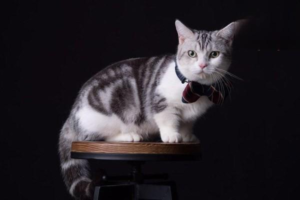
Kidney disease is a silent killer of pets—early signs are subtle, and by the time you notice lethargy, weight loss, excessive thirst, frequent urination, reduced appetite, vomiting, or bad breath, treatment may be overdue. Studies suggest 1 in 3 cats and 1 in 10 dogs has kidney disease. Newer testing (SDMA) can flag problems when only 25% of function is lost, far earlier than traditional tests (75%). Management means vet-guided diet and medication, no table scraps or treats, encouraging water, and regular monitoring.
White Fuzz on Your Turtle’s Neck: Shedding or Water Mold?
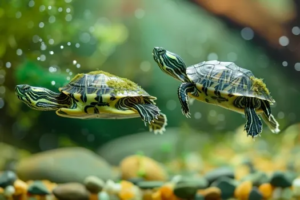
White fuzz on a turtle can be normal shedding or a sign of water mold disease. If the fuzz has a clear texture with no soft rot, it is likely shedding—just give more sunlight. If fuzz appears on multiple areas and looks rotting, it is probably water mold and the turtle should be isolated and treated. The root cause is usually overcrowding and polluted water; prevent it with good nutrition, wound care, and regular water changes.

Can Water Mold Disease in Turtles Be Avoided? (Causes & Prevention)
Water mold disease is preventable. Although Saprolegnia is widespread in water, its presence alone does not cause the disease—infection requires a wound. A healthy, uninjured turtle will not get water mold, so the key is good husbandry: smooth enclosures, regular sunlight, balanced nutrition, and clean water. Early signs include gray-white spots and white fuzzy growths on the skin and shell; untreated, the disease progresses to swelling, ulcers, appetite loss, and death.

Signs Your Cat Is Getting Older
Cats typically live around 15 years and are considered seniors at roughly seven or eight. As they age you may notice lower energy and longer sleep, a stronger dislike of cold, and a poorer appetite. Dental problems such as loose or missing teeth make eating harder, while slower movement and delayed reactions show declining mobility. Whitening fur around the muzzle and cloudy, dull eyes are also common. Recognizing these changes early lets you adjust daily care so your cat stays comfortable and healthy through its golden years.