Search Results
1495 results for “Loss of appetite”
Cat Has Chronic Diarrhea? It’s More Than a Sensitive Stomach
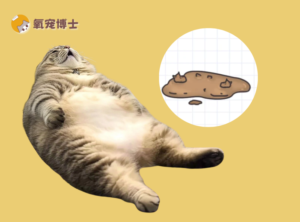
Long-term diarrhea in cats is rarely just a 'delicate stomach' you can fix by swapping food or adding probiotics. Diet and food allergy are common, but so are parasites (some needing specific drugs), inflammatory bowel disease, and metabolic diseases like pancreatitis, hyperthyroidism, or kidney disease. Stress is a third driver. Work through the causes step by step and let a vet run the right tests.

Early Signs of Rabies in Dogs—Catch It Early
Rabies is close to 100% fatal and dogs are the main source, so early recognition saves lives. The first 1–3 days—the prodrome—bring a personality flip, aimless pacing, trouble swallowing and drooling, a changed voice, and fear of light and sound. If you see these, especially after a recent bite or scratch, isolate the dog, call your health authority and a vet for at-home assessment, and get any exposed people vaccinated at once. Prevention is vaccination, leashing, and prompt wound care.

Why Does My Silver Shaded Cat Shed So Much?
The silver shaded is a British Shorthair with a dense double coat, so it simply has far more hair to lose than a single-coated cat—earning its 'walking dandelion' reputation. Shedding doubles in the spring and autumn molts and during the kitten-to-adult and spay/neuter hormone shifts. Daily brushing, infrequent baths, and good nutrition manage it; patchy or symmetric loss with skin changes means a vet visit.

Dog Passed No Worms After Dewormer—Did It Fail?
Not seeing worms in the stool after a dewormer doesn't mean it didn't work. Modern dewormers break down parasites inside the gut so they're absorbed or passed invisibly, and many infections are simply too light—or involve microscopic protozoa—to ever show. Visible worms usually mean a heavy prior infection. The real proof is your dog's condition and a fecal exam, not what you see in the tray.

What Happens When a Cat Lacks Vitamin C
Long-term lack of vitamin C gives a cat scurvy: low spirit, poor appetite, anemia, weight loss and easy bleeding or skin inflammation. As it worsens, gums swell and bleed, wounds heal poorly, and in severe cases cheeks and tongue ulcerate or die back, with joint pain and bleeding in the bladder, gut, kidney or nose. Treat with oral or injected vitamin C plus symptomatic care, and prevent it with a balanced, complete diet, since processing destroys much of the vitamin in food.

Common Genetic Diseases in Ragdoll Cats
Ragdolls are prone to two inherited diseases: hypertrophic cardiomyopathy, where the heart wall thickens and can cause sudden cardiac death, and polycystic kidney disease, where fluid cysts enlarge the kidneys. HCM peaks at four to eight years and affects about 6 percent of the breed; PKD strikes at three to ten and is avoided if both parents test clear. Neither can be cured, only managed with care, kidney-support diets and vet-guided mineral supplements, so DNA testing and routine prevention matter.

What Is Feline Haemobartonellosis?
Feline haemobartonellosis, also called infectious anemia, is a rare but serious disease caused by a blood parasite that attacks red cells and triggers their destruction. It spreads through bites, scratches, fleas and ticks, and from mother to kitten, with outdoor and unneutered males at higher risk. Signs range from fever and lethargy to pale, yellow-tinged gums; diagnosis is by blood smear or PCR. Treatment uses antibiotics such as doxycycline or enrofloxacin plus supportive care, though the cat stays a lifelong carrier.

Why Does My Cat Still Itch After Deworming?
A cat that keeps scratching after a dewormer isn't necessarily proof the product failed. Dewormers kill parasites but not skin problems, and the wrong product, wrong application, or an untreated home can all leave itching in place. Flea-allergy dermatitis, mites, dry skin, and stress can itch too. Mild scratching for a day or two may just need patience; anything longer with skin damage needs a vet.

Why Are My Cat’s Eyes Always Wet?
Constant wetness at a cat's eye corners is usually harmless tear pooling—after waking, mild dust, or the narrow tear ducts of flat-faced breeds like Exotics and Persians. But it can also signal conjunctivitis, keratitis, a blocked tear duct, or irritating fur. Yellow-green pus, swelling, or sneezing with poor appetite means a vet visit. Start with gentle cleaning and a few days of observation.

Is It Normal for Cat Poop to Come in Segments?
Segmented-looking cat poop isn't automatically a problem. If the stool is basically a continuous log with a few cracks and your cat acts normal, it's usually just how the colon forms stool. But hard, stone-like lumps, blood or mucus, straining, or no bowel movement signal early constipation. Boosting water, adding wet food, and daily brushing for hairballs are the first steps; see a vet if it doesn't improve.