Search Results
1501 results for “Loss of appetite”

Common Everyday Cat Illnesses
Five common cat issues: (1) Upper respiratory infection—cough, sneeze, runny nose (yellow discharge is a red flag), from cold or poor nutrition; prevent with warmth and good food. (2) Fleas—scratching and black specks after a bath; treat with a vet-recommended flea product. (3) Heartworm—intermittent vomiting, cough, wheezing, lethargy; prevent with monthly prevention and by controlling mosquitoes (the intermediate host) and clean water. (4) Periodontal disease—bad breath, drooling, only soft food; prevent with regular brushing/cleaning. (5) Obesity—oval loaf shape, jiggling belly, hard-to-feel ribs; leads to diabetes, lower-urinary disease, arthritis, hepatic lipidosis; feed measured meals and exercise.

A Sudden Lump Appears on Your Dog
You may have experienced this: a dog that was fine a moment ago suddenly sprouts a big lump. Understandably worrying—'is it cancer? a terminal disease? a bug bite?' Learn to judge the cause yourself. Reassurance first: most lumps are benign lipomas and not hard to manage. Causes include lipoma, sebaceous cyst, hematoma, and follicle infection. Many lumps appear and vanish quickly, but answer 7 questions before relaxing: appeared suddenly? slowly growing? smooth surface? uneven? moved recently? other lumps nearby? after it appeared, any appetite loss, lethargy, vomiting, diarrhea, or behavior change? More than 4 'yes' answers means see a vet at once. Urgent signs also include rapid growth, changing shape, very soft texture, hair loss around it, or color unlike skin. Treatment: benign lumps are not costly, but no vet can diagnose by feel alone—responsible ones aspirate tissue fluid and may run blood tests and X-rays, because accurate diagnosis needs multiple tests.

Why Does My Rabbit’s Nose Twitch Constantly?
A rabbit's nose may twitch frequently for many reasons—sniffing, breathing trouble, anxiety, or bacterial and parasite infections, even a nose injury. When the rabbit is calm or asleep, the twitching usually slows or stops. To protect your pet, provide a suitable environment, balanced diet, controlled temperature and humidity, and regular cleaning and disinfection to limit infection. If the twitching persists with a runny nose, injury, appetite loss, or lethargy, consult a veterinarian for a proper diagnosis and treatment plan.

Can Rabbits Drink Untreated (Raw) Water?
Rabbits can technically drink untreated (raw) water, but it isn't recommended. Raw sources like pond, well, or tap water can carry bacteria, parasites, and chlorine that upset a rabbit's sensitive gut and cause diarrhea or abdominal pain. Safer options include filtered, bottled, settled, or boiled water. Always keep water fresh and the bottle clean to avoid bacterial or parasite buildup that leads to enteritis. If your rabbit shows diarrhea, cramps, or appetite loss, consult a veterinarian for guidance.

Why Is My Ragdoll Cat Breathing Heavily?
A Ragdoll that breathes noisily isn't automatically sick—it may simply have exercised hard or be reacting to heat. But if the heavy breathing persists, it can signal real problems: respiratory disease, obesity, heatstroke, infectious peritonitis, liver-related fluid buildup, or heart disease. Watch for other symptoms and see a vet if it continues. For overweight cats, weight control helps; in hot weather, keep them cool and hydrated to prevent heatstroke. This article covers the likely causes and the practical steps you can take at home.

Symptoms and Removal of External Parasites in Turtles
Turtles do get external parasites, most often ticks and mites. On their own these pests do little direct harm, but they still need to be removed. An infested turtle may itch, develop rashes, and show diarrhea, weight loss, and poor appetite, and left long enough a heavy load can even be fatal. The good news is that good husbandry prevents most cases, and an established soaking routine clears an active infestation. This guide explains the signs to watch for and the practical steps to treat and prevent external parasites.

How to Prevent Parasite Disease in Turtles
Turtles can develop parasite disease, and the risk rises in the hot summer months, so prevention belongs in every keeper's routine. Common parasites—tapeworms, coccidia, roundworms, and others—live in the gut, lungs, liver, and more, stealing nutrients and weakening the turtle until it wastes away. Good hygiene, quarantining new arrivals, and prompt deworming are the core defenses. This guide explains the parasites, their symptoms, and the practical prevention and medication steps that keep your turtle healthy.
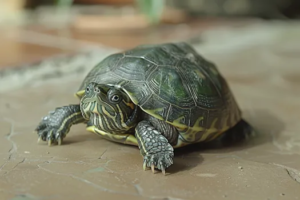
Internal Parasites in Turtles: Flukes and Protozoa
Flukes and protozoa are among the more common internal parasites in pet turtles, and knowing their signs helps you act before they drain your turtle's health. Flukes lodge in the liver, pancreas, and gut, causing appetite loss and bloody stool, while protozoa such as amoebas inflame the intestine and often trigger bacterial enteritis at the same time. Both are diagnosed through fecal checks and treated with specific dewormers plus gut support. This guide lays out the symptoms and the matching treatment for each parasite.

How to Tell If Your Cat Has Parasites
Kittens often get parasites from mother's milk; adults pick up eggs or infected prey. Knowing the warning signs lets you act early. External parasites are visible: itching, hair loss, lice clinging to skin, white flea eggs, and black specks (flea dirt) that turn red in water—which also hints at tapeworm, since fleas host it. Internal parasites show as dull coat, pale gums (anemia), tarry stool, vomiting, appetite loss, swollen belly, lethargy, or visible worms/segments in stool. See an online vet or clinic for a test.

Why Isn’t My Ragdoll Cat Gaining Weight?
Ragdoll cats that eat plenty but never seem to gain weight worry many owners, yet the cause is not always disease. Genetics, low activity, or an unbalanced diet may simply mean your cat burns or absorbs fewer calories than expected. Parasites are another common culprit that blocks nutrient absorption. If diet and exercise adjustments bring no improvement, a veterinary check-up can rule out hyperthyroidism, digestive disorders, or liver problems. This article explains the likely causes and the practical steps you can take at home to help your Ragdoll reach a healthy weight.